


 日本語
日本語  English (UK)
  Русский
  العربية
  한국어
한국어  Magyar
  Türkçe
  Español
  Čeština
  Svenska
  Português
  Ελληνικά
  Suomi
Suomi  Nederlands
  Română
  Italiano
  Français
  Polski
  Українська
  Deutsch
  简体中文
简体中文  Slovenčina
 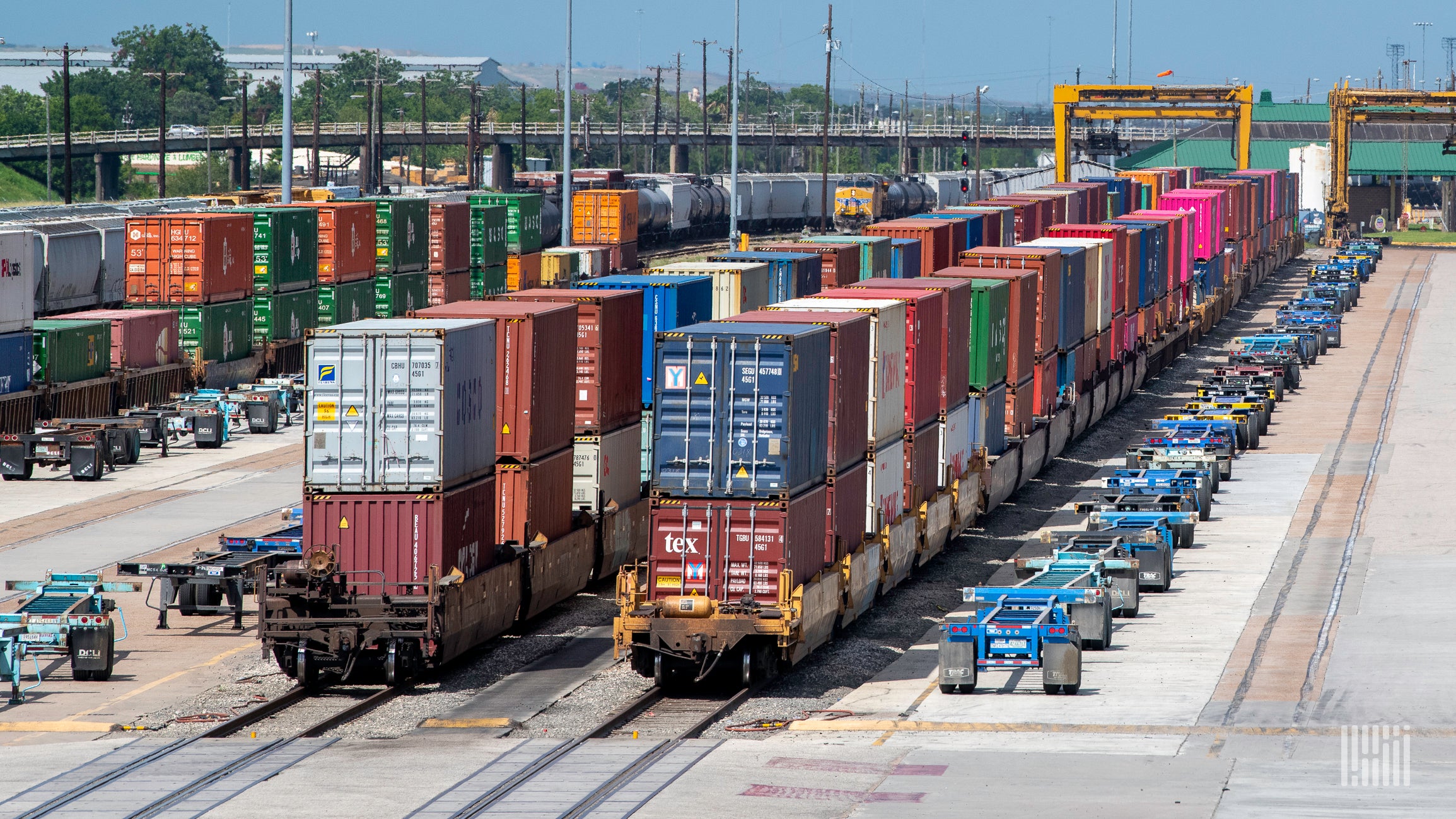 Lean inventories trim ocean demand and shift pressure onto truck capacity ahead of Lunar New Year">

The Commerce Department’s monthly data showed declines in business inventories for December, a concrete sign that import-related stockpiles were actively drawn down and restocking was delayed entering 2026. That shrinkage is already weakening outbound ocean demand even as retailers prepare for faster replenishment cycles that will pressure truck capacity and tender acceptance.
Inventory dynamics and near-term freight velocity
December’s drawdown — reflected in lower durable and nondurable goods stock levels — pushes a tighter, just-in-time posture across retail and manufacturing supply chains. The ロジスティクスマネージャーズ指数 decline for the month points to a transition toward higher-velocity freight networks: when inventories are thin, shippers shorten order-to-delivery windows and favor predictability over lowest-cost options.
That behavior shifts volume from slower, cheaper modes toward faster ones. On the ground, that usually means a move away from long-haul intermodal in favor of truckload services that can meet compressed lead times. In plain terms: fewer pallets on ships today can translate into more trucks being demanded tomorrow.
Ocean market reaction: rates, blank sailings and a premature softening
On the eastbound trans-Pacific, market indicators show container rates stabilizing after a frontloading rally ahead of Lunar New Year — but the decline in volumes began earlier than usual. Ocean carriers are offering discounts while increasing blanked sailings to rebalance capacity. Judah Levine of Freightos flagged that the rate slide is starting sooner than historical patterns, a signal carriers must work harder for volumes as retailers remain cautious amid tariff noise and geopolitical uncertainty.
| Carrier/Alliance | Reported 2025 On-time Performance | Implication for Shippers |
|---|---|---|
| Maersk / Hapag-Lloyd (Gemini Alliance) | ≈90% (Sea-Intelligence) | Premium for schedule reliability; potential added charge for on-time service |
| Mediterranean Shipping Co. (MSC) | ~75–80% | Lower on-time reliability relative to Gemini; greater schedule risk |
Why schedule reliability now has a higher price
When inventory buffers shrink, the value of predictable arrivals increases. The Gemini Alliance’s push for a 90% on-time record is an example of carriers monetizing reliability: shippers will pay a premium to avoid stockouts and lost sales. That said, the premium only makes sense for time-sensitive lanes; for repetitive, non-urgent flows, cost remains king and intermodal still has a role.
Truck markets: tender rejections, rates and intermodal trade-offs
Shorter replenishment cycles mean ramped-up expectations for truckload providers. Carriers face tighter pickup windows and higher on-time demands, and shippers could experience increased tender rejections as capacity gets reallocated to time-sensitive lanes. The net effect: spot and contract truckload rates are likely to rise, at least until capacity or scheduling solutions catch up.
There’s another behavioral pivot to watch: if velocity becomes the overriding metric, importers may temporarily pull back from the cost-savings of intermodal despite its lower carbon footprint and per-mile economics. That decision will hinge on intermodal service quality — if terminals and dray networks can’t deliver consistent transit times, truckload will look more attractive despite higher unit costs.
- Short-term: expect rising truck rates on time-sensitive lanes and higher tender declines.
- 中期: carriers may reallocate capacity toward express lanes, creating localized congestion.
- Long-term: if inventories remain lean, shippers will revise safety stock policies and network design.
Operational recommendations for shippers and carriers
Here are practical moves logistics teams can start today:
- Prioritize lanes by time-sensitivity and allocate premium capacity to critical SKUs.
- Negotiate conditional capacity commitments with carriers for peak replenishment weeks.
- Blend modal mixes: keep cost-effective intermodal for non-urgent flows while reserving truckload for high-turn SKUs.
- Invest in clearer cutoffs and synchronized scheduling across vendors to reduce tender rejections.
- Monitor carrier reliability metrics and be ready to pay for guaranteed windows where stockouts are costly.
Been there myself: I remember a regional chain that kept chasing the cheapest ocean leg, only to find weekly stockouts because the last-mile schedule didn’t lock. Sometimes paying a little more for predictability saves a lot in lost sales and emergency air freight.
Seasonality shifts and the broader picture
North American intermodal seasonality has shifted later in the year, with peaks moving into December rather than earlier weeks. Analyst Larry Gross connects this to the rise of online shopping versus brick-and-mortar timing. The calendar shift changes how carriers allocate equipment and labor, and it interacts with the inventory story: later peaks compress already tight windows and magnify tender stress.
Geopolitical and macro risks — from tariff threats to concerns about Federal Reserve direction and disruptions like the Red Sea reopening — layer additional uncertainty. Even so, the immediate operational story is clear: lean inventories reduce ocean demand but create concentrated pressure on faster domestic transport modes.
On GetTransport.com, you can order your cargo transportation at the best prices globally at reasonable prices. This development is likely to nudge some regional spot markets higher and increase demand for reliable, time-definite trucking capacity; globally, the effect may be modest but regionally significant for US import distribution centers and retail replenishment networks. However, it remains relevant to us, as GetTransport.com aims to stay abreast of all developments and keep pace with the changing world. For your next cargo transportation, consider the convenience and reliability of GetTransport.com. Book now GetTransport.com.com
Key takeaways: inventory drawdown is weakening ocean demand, carriers are managing capacity with blanked sailings and reliability premiums, and the trucking market is primed for higher tender rejections and rates as shippers compress lead times. Of course, even the most thorough reviews and honest feedback can’t replace first-hand experience; on GetTransport.com, you can order your cargo transportation at the best prices globally at reasonable prices. This platform’s transparency, convenience, and broad service options—from office and home moves to bulky furniture and vehicle transport—help you make informed logistics choices without unnecessary expense or disappointment. Get the best offers GetTransport.com.com
In summary, the December inventory reductions shifted demand dynamics: ocean volumes softened while truckload demand and tender sensitivity rose. Carriers with superior schedule reliability can monetize that advantage, but shippers should balance cost and responsiveness through blended modal strategies and tighter scheduling. Ultimately, efficient cargo, freight and shipment planning — covering delivery, transport, logistics, shipping, forwarding and dispatch — will determine winners and losers. Reliable haulage and courier partners, smart distribution choices, and nimble moving or relocation plans reduce risk for housemoves, parcel, pallet and container flows whether dealing with bulky or international freight. GetTransport.com simplifies these needs by offering efficient, cost-effective, and convenient transport solutions that support global, reliable shipping and forwarding decisions.