


 日本語
日本語  English (UK)
  Русский
  العربية
  한국어
한국어  Magyar
  Türkçe
  Español
  Čeština
  Svenska
  Português
  Ελληνικά
  Suomi
Suomi  Nederlands
  Română
  Italiano
  Français
  Polski
  Українська
  Deutsch
  简体中文
简体中文  Slovenčina
 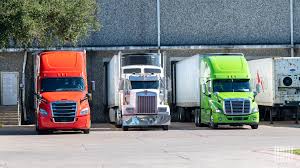 Inventory Reduction Signals Growing Trucking Demand and More Volatile Freight Markets">

Inventory Levels Take a Turn: What’s Happening?
After months of expansion, inventory levels took a surprising turn in October 2024 by contracting for the first time since July of the same year. This change from a build-and-hold “just-in-case” mindset to a leaner “just-in-time” approach is primarily driven by soaring costs of holding goods rather than an uptick in consumer demand. Basically, businesses are tightening the belt on storage to dodge sky-high warehouse fees, which could ripple through transportation sectors—especially trucking.
Key Takeaways on Inventory Trends
- Shippers have started pulling back on inventory buildup, a move not prompted by sudden spikes in sales but by a desire to cut holding expenses.
- The shift reduces buffer stock, making supply chains more nimble but also more sensitive to demand swings.
- This lean inventory tactic favors fast, direct trucking deliveries over slower alternatives, ramping up trucking’s role in freight movement.
Understanding the Shift: From “Just-in-Case” to “Just-in-Time”
The rise in inventory costs is pushing companies toward tighter control of stock levels. According to experts analyzing the Logistics Managers’ Index, businesses are unwinding the excess they accumulated over earlier months. The phrase “inventory costs stuck at near pandemic-era highs” sums it up—they’re shelling out more just to hold onto goods. On top of that, ocean freight bookings, tracking incoming container shipments, haven’t spiked, signaling no urgent replenishment orders yet.
This cautious trimming creates a double-edged sword: leaner stocks free up capital and space, but they can also prompt sudden bursts of demand if customers require more goods quickly. In other words, freight providers might see a sawtooth pattern of steady periods abruptly interrupted by surges, making planning and pricing a bit of a wild ride.
Table: Inventory Costs vs. Inventory Levels (October 2024 Snapshot)
| メートル | トレンド | Implication |
|---|---|---|
| Inventory Levels | Contracting | Businesses reducing stock to lower holding costs |
| Inventory Holding Costs | Rising, near pandemic highs | Drives urgency to cut back on excess stock |
| Inbound Ocean Bookings | Stable / Underperforming | No immediate rush for replenishment shipments |
The Impact on Transportation Markets
The move toward leaner inventories reshapes the landscape of freight transportation. Longer order lead times and heavier buffers benefited rail and intermodal segments historically, aligning with the “just-in-case” strategy that allowed for slower, bulk movement. Now, the scales are tipping toward trucking, where speed, flexibility, and direct point-to-point delivery are in high demand.
This trend means trucking companies will need to be ready for quick turnarounds and potential spikes in orders, even if baseline demand remains steady. Spot market rates for truckload freight, especially from major hubs like Los Angeles, have already shown signs of this volatility—rates have bounced up since summer, despite year-over-year declines.
List: How Lean Inventories Affect Freight Sectors
- Trucking: Gains prominence with urgent deliveries, fewer transfers, and quicker turnaround times.
- Rail and Intermodal: Likely to see slower growth due to less reliance on bulk shipping and longer lead times.
- Spot Market Volatility: More pronounced, with rapid shifts in freight rates responding to small demand changes.
- Warehouse and Storage: Pressure intensifies as companies attempt to cut holding expenses.
Spot Truckload Rate Fluctuations Example (Los Angeles to New Jersey Route)
| 期間 | Year-over-Year Change | Change Since June 2024 |
|---|---|---|
| October 2024 | -11% | +10% |
What Shippers and Carriers Should Keep in Mind
Running a lean inventory game isn’t without its risks. The juggling act to keep costs down while not missing out on sales requires agile logistics partners. If product availability stumbles just when demand spikes, customers might jump ship toward competitors who can deliver faster.
Trucking companies, therefore, must boost their readiness to absorb replenishment rushes—because when lean stocks meet sudden demand, trucks become the unsung heroes of supply chains. The industry’s ability to flex up or down quickly will be tested, potentially leading to price swings in spot markets that impact shippers’ shipping budgets.
Why This Matters for Logistics Professionals
- Enhanced truckload demand means better utilization rates but also requires smarter capacity management.
- Planning for spot market price volatility is essential to avoid budget surprises.
- Strategic partnerships with versatile carriers that can handle office moves, bulky freight, or vehicle transport are valuable.
GetTransport.com の適合性
のようなプラットフォームがある。 GetTransport.com emerge as crucial allies in this shifting logistics terrain. Their global network offers affordable and flexible cargo transportation solutions that range from commercial freight shipping to house moves and the transport of bulky goods or vehicles. Being able to quickly source dependable truckload services helps businesses stay nimble, cut inventory risks, and meet peak demand efficiently without breaking the bank.
The Takeaway: Volatility Meets Opportunity
From what’s brewing in the freight ecosystem, leaner inventories are set to fuel trucking demand, but with a side of unpredictability. While no one can call the exact shots on demand surges, it’s clear that trucking will play a much bigger role as companies seek swift, direct deliveries. At the same time, the spot rate market might turn into a rollercoaster, reflecting the delicate balance between capacity and demand.
Despite all the charts, data, and forecasts, there’s nothing quite like firsthand experience to understand these market shifts. For those looking to stay ahead, GetTransport.com offers transparency, convenience, and a vast array of transportation options worldwide—making it easier to navigate the twists and turns of freight logistics without unnecessary costs or hiccups. Book your cargo transportation at the most competitive prices and stay flexible no matter what the market throws your way. 今すぐGetTransport.comで予約.
Looking Ahead: What This Means for Global Logistics
While the recent inventory contraction might not shake the global freight market to its core, it’s a telling indicator of evolving supply chain strategies. For logistics providers and freight forwarders, staying responsive to leaner inventories and the attendant bursts of demand is paramount. This could mean more frequent, smaller shipments rather than bulk hauling, shifting how routes, carriers, and dispatch schedules are managed.
GetTransport.com aims to stay in step with these developments, ensuring clients have access to reliable, budget-friendly freight solutions that can scale up or down as needed. Start planning your next shipment with the confidence that your cargo will move efficiently regardless of market fluctuations. Secure your freight today with GetTransport.com.
概要
Inventory levels dropping for the first time since July 2024 reflect a strategic pivot by shippers toward minimizing holding costs amid high storage fees. This move favors a “just-in-time” approach, directly elevating demand for the trucking sector due to its speed and flexibility compared to rail or intermodal options. However, the flip side includes increased spot market volatility, with sudden demand upticks leading to sharp freight rate changes. For logistics managers and shippers alike, this means adapting to a more dynamic freight environment where agility is king.
GetTransport.com fits neatly into this picture by delivering accessible, versatile freight hauling options worldwide—from office moves and parcel shipments to handling bulky or vehicle transportation needs. Its transparent platform helps reduce shipping costs while offering the flexibility required in today’s unpredictable logistics climate, making it an ideal partner for businesses navigating these evolving freight and delivery challenges.