


 日本語
日本語  English (UK)
  Русский
  العربية
  한국어
한국어  Magyar
  Türkçe
  Español
  Čeština
  Svenska
  Português
  Ελληνικά
  Suomi
Suomi  Nederlands
  Română
  Italiano
  Français
  Polski
  Українська
  Deutsch
  简体中文
简体中文  Slovenčina
  Unpacking First Brands’ Loan Collapse and the Stakes of Its Financial Rescue">

Loan Value Takes a Nosedive Amid Bankruptcy Turmoil
The plunge in the loan value for First Brands Group following its bankruptcy has caught the attention of creditors, investors, and market watchers alike. What started as a seemingly solid rescue loan has now crumbled at a breakneck pace, revealing cracks in the company’s financial fabric that demand immediate action.
The Anatomy of the Crisis
Two months into bankruptcy proceedings, the rescue loan valued originally at its full face is now trading at a mere fraction—dropping to about 30 cents on the dollar at one point before rebounding slightly. Such a drastic depreciation is, in bankruptcy terms, almost unheard of so close to court loan approvals. It highlights the profound uncertainty surrounding the company’s stability and financial outlook.
Key players in the saga differ on who’s fueling the fire. Some point fingers at major creditors offloading stakes, stirring market jitters. Others criticize the restructuring advisers, suggesting delays in unraveling alleged financial irregularities have worsened the situation. On its end, advisory firm Alvarez & Marsal contends that internal investor conflicts contributed to confusion and cash shortages by diverting company payments directly to investors.
Why New Money Is a Make-or-Break Factor
One clear takeaway from lender discussions is the essential need for fresh capital, injected at a senior priority level. Without this, First Brands faces real struggles in meeting supplier demands that have become stricter, alongside the challenge of smoothing over bottlenecks in its supply chain. The success of this capital raise hinges on approval from two-thirds of the current rescue loan holders.
Supply Chain and Working Capital Woes
To stave off further deterioration, First Brands is looking to secure additional working capital by January, aiming to keep inventory flowing and suppliers reassured. Notably, the overwhelming majority—around 95%—of its key vendors remain cooperative, a crucial lifeline as the company grapples with operational instability.
What Happens If New Funding Falls Through?
- Failure to meet rescue loan milestones could delay or block further disbursements.
- The company might be forced to sell off brands and assets piecemeal to pay creditors.
- This dismantling would complicate the distribution of sale proceeds among stakeholders.
Market Movements and Distressed Debt Buyers
The distress has spurred a flurry of loan trading activity. As some money managers offload parts of the struggling loan at steep discounts, various distressed funds have stepped in to scoop up debt at bargain prices. Prominent investors like King Street Capital Management, Mudrick Capital Management, and Strategic Value Partners have emerged as significant creditors.
Table 1: Loan Value Fluctuation Timeline
| 日付 | Loan Value (Cents on the Dollar) | 備考 |
|---|---|---|
| Initial Loan Provision | 100 | Loan issued at par value |
| December 10 | 30 | Lowest observed trading bid |
| End of December 10 Session | 47 | Partial loan value recovery |
| December 11 | 42 | Continued impaired loan trading |
ロジスティクスとサプライチェーンへのより広範な影響
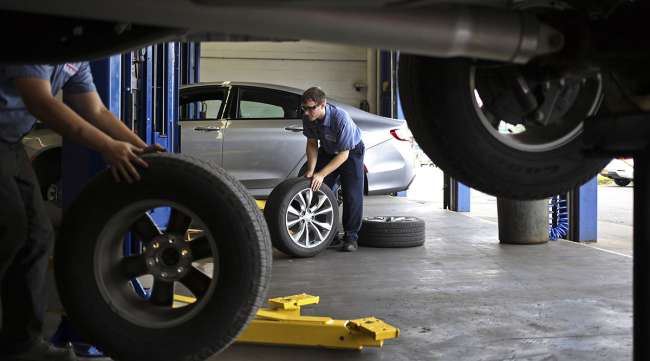
First Brands is a significant player in the automotive parts market, supplying essential components like oil filters and wiper blades to retail giants such as Walmart, AutoZone, and O’Reilly Automotive. The ripple effects of its financial instability extend beyond its balance sheet, directly impacting 物流 networks globally.
These retailers are major freight haulers themselves, with Walmart ranking as the top private carrier across North America. Any hiccup in First Brands’ operations can influence delivery schedules, warehouse inventories, and supply chain reliability across multiple sectors. Delays or shortages of crucial car parts could mean extended lead times, affecting both retail availability and repair services.
Operational Blind Spots Increase Risk
A concerning element is the continued lack of clear insight into First Brands’ operational and financial status since bankruptcy. Without detailed visibility, creditors and partners face difficulty planning and responding effectively, adding to market volatility and shuffling within logistics corridors.
Understanding the Dynamics of Distressed Debt and Rescues
When loans plummet in value during bankruptcy scenarios, distressed funds often seize opportunities for deep discounts with the hope of recovery through restructuring. This phase resembles a high-stakes poker game where timing, information, and cash injections play pivotal roles.
In First Brands’ case, the scramble to provide new senior financing is about more than just preserving the company—it’s about keeping a delicate supply chain on track. The interconnected nature of modern logistics means a single supplier’s financial crisis can cascade across freight carriers, warehouse operations, and retail delivery systems.
List: The Chain Reaction in Logistics Due to Supplier Instability
The Path Forward: Stability Hinges on Rescue Loan Approval
The clock is ticking for First Brands to secure and release additional funds tied to court and creditor approval. Without this lifeline, the company risks unraveling its brands and complicating logistics even further. However, signs of vendor cooperation provide a glimmer of hope that operations can be stabilized.
概要とまとめ
The sharp decline in First Brands’ loan value highlights the precarious balance between bankruptcy, rescue financing, and operational continuity, especially in the automotive parts and logistics sectors. As key creditors seek to inject fresh capital, the stakes for the company and its supply chain partners remain high.
From a logistics standpoint, this scenario underscores the importance of robust financial health in suppliers critical to freight, distribution, and retail delivery channels. Delays or failures here can cause ripple effects that challenge the reliability of international shipment and supply management systems.
Ultimately, while loan values provide a snapshot of financial stress, how the company navigates its rescue and restructuring will set the tone for restoring confidence across its logistics networks.
Even the most insightful reviews and detailed financial analyses can’t replace the clarity personal experience offers. On GetTransport.com, customers can access a global platform offering affordable, reliable cargo transportation solutions tailored to diverse needs—from office and home moves to bulky freight and vehicle transport. This hands-on approach helps ensure decisions are informed, costs are controlled, and disappointments are minimized.
With its transparent pricing and extensive network, GetTransport.com embodies convenience and assurance in the freight and shipping world. Book your cargo transportation with GetTransport.com to secure dependable, cost-effective logistics support whenever you need it.
グローバル物流の展望
While First Brands’ loan troubles may not shake global logistics markets to their core, the situation signals the sensitivity of supply chains to supplier financial health. This episode serves as a pertinent reminder to logistics providers and freight forwarders everywhere: staying nimble and aligned with industry shifts can mean the difference between smooth delivery and costly disruptions.
GetTransport.com stays ahead of these developments, ensuring the platform and its users keep pace with the ever-evolving world of cargo and freight. Start planning your next delivery and secure your cargo with GetTransport.com.