


 日本語
日本語  English (UK)
  Русский
  العربية
  한국어
한국어  Magyar
  Türkçe
  Español
  Čeština
  Svenska
  Português
  Ελληνικά
  Suomi
Suomi  Nederlands
  Română
  Italiano
  Français
  Polski
  Українська
  Deutsch
  简体中文
简体中文  Slovenčina
 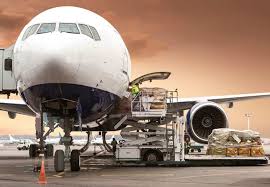 ナビムンバイ国際空港への道路アクセス強化:効率的な貨物およびビジネスロジスティクスにとって不可欠な一歩">

Unlocking the Potential of Navi Mumbai International Airport
The expansion of Mumbai’s aviation infrastructure with the introduction of Navi Mumbai International Airport (NMIA) marks a major milestone for the city and the broader Indian logistics landscape. As a key step toward decongesting the legendary Chhatrapati Shivaji Maharaj International Airport, NMIA is poised to bring high-tech facilities and substantial cargo handling capacity to the forefront. However, this new gateway’s success hinges greatly on one vital factor: better road connectivity.
Why Connectivity Matters for NMIA
Situated strategically near the Nhava Sheva seaport, a bustling hub for containerized imports and exports, NMIA’s location carries tremendous promise for smoother logistics flows. Yet, without robust road networks feeding the airport, much of this advantage risks being compromised. Efficient road access ensures swift movement of goods and people and directly impacts the competitiveness of cargo forwarders, freight companies, and businesses relying on timely shipment and delivery.
Currently, travelers and logistics operators face challenges that may lead them to prefer alternate airports such as those in Bangalore (BLR) or Chennai (MAA). Delays and connectivity issues could dampen NMIA’s potential despite its modern warehouses and automated facilities. The crucial question is: how soon and how well can infrastructure latecomers be resolved to ease these bottlenecks and streamline the movement of freight?
Challenges in the Transition Phase
Switching operations to a new airport naturally involves hurdles. For instance, freight offloading dynamics may be perplexing if cargo flights become infrequent initially. This raises concerns over handling storage costs, timely dispatch, and the logistical puzzle of whether cargo will be trucked under bonded arrangements back to the old airport or held until the next flight.
Operational teething troubles can often feel like a bump in the road, but they also serve as learning points before full efficiency is achieved. Once these are ironed out, NMIA’s ample space and cutting-edge technology will dramatically benefit logistics professionals.
The Impact on Cargo Movement and Business
Cargo efficiency lies at the heart of any airport’s contribution to regional economics. With NMIA designed to avoid the congestion endemic to Mumbai’s current airport, freight forwarders anticipate quicker turnaround times and streamlined customs processing, especially for perishables where time is truly money.
Advantages for Logistics and Freight Forwarding
- Lower waiting times for cargo clearance and transfer.
- Automated warehouses designed to handle bulk goods efficiently.
- Proximity to a major sea port facilitating smoother intermodal transfers.
- Expanded domestic and international cargo flight operations achieve better freight distribution networks.
These factors bode well for logistics companies aiming for reliable, global freight forwarding and shipment solutions. This enhances the overall supply chain by reducing delays and increasing predictability.
Road Infrastructure as a Backbone
Without a dense and well-maintained road network, the advantages of any airport’s cargo capabilities are muted. Thoughtful master planning must consider:
- Direct and dedicated highway links between NMIA and key industrial and commercial hubs.
- Efficient last-mile connections supporting rapid courier and parcel distribution.
- Support for bulky goods transport, such as pallets and containers, to move without hindrance.
- Integrated transport scheduling to avoid traffic jams and delays affecting shipment schedules.
Strategic Outlook: NMIA’s Role in India’s Aviation Expansion Plan
India’s ambition to double its domestic airport network to 300 by 2047 places NMIA alongside other emerging hubs like Noida International Airport (Jewar). This upgrade not only boosts passenger volumes but also builds a resilient logistics infrastructure essential for sustainable economic growth.
Unlike Mumbai’s existing airport, which struggles under the weight of its own traffic, NMIA offers congestion-free access that can significantly enhance business operations. It’s a quintessential example of how proper investment in infrastructure can unlock opportunities in freight, distribution, and cargo haulage.
Effects on Freight and Business Ecosystem
| 現在の課題 | Potential Improvements Through NMIA |
|---|---|
| Congested cargo complex causing delays | Automated, spacious warehouses allowing rapid processing |
| Slow cargo movement and unclear handling costs | Streamlined bonded trucking options and efficient freight scheduling |
| Lack of direct, efficient road routes | Dedicated highway links reducing transit time and costs |
| Limited flight frequency for cargo | Increasing airline operations and cargo flights in the long term |
A Word on Logistics and Future Planning
Better connectivity at NMIA is not just a transport upgrade—it’s an economic catalyst. For logistics providers, this translates into enhanced route planning, reduced fuel costs, and more reliable schedules for international shipments. It also means solid groundwork for future investments in freight forwarding technologies and intermodal logistics solutions.
In an industry where timing is everything, it makes all the difference when cargo moves smoothly from dock to airplane to warehouse to final destination.
Choosing the Right Cargo Transportation Partner
With these exciting developments underway, businesses and individuals alike will seek dependable and affordable freight services capable of navigating the evolving landscape. Platforms like GetTransport.com exemplify this need by offering global cargo transportation solutions that cover everything from office and house moves to transporting bulky goods like furniture and vehicles. Their versatility ensures that you can find efficient options tailored to your specific freight and shipment demands.
Final Thoughts: The Importance of Personal Experience and Access to Competitive Rates
While reviews and feedback offer valuable insights into NMIA’s expected improvements, nothing beats firsthand experience when it comes to gauging the real impact on logistics and cargo handling. Fortunately, with platforms such as GetTransport.com, users can access competitive pricing and a wide range of transport options to test the waters without breaking the bank or facing undue risks.
This transparency and convenience empower businesses and individuals to make well-informed decisions that align perfectly with dynamic shipment needs. Whether it’s moving a single parcel internationally or organizing bulk container dispatches, the platform’s vast network supports smooth, reliable forwarding and delivery services.
乗車予約 と GetTransport.com to experience hassle-free cargo logistics at the best prices worldwide.
Looking Ahead: Logistics Impact and Industry Adaptation
Though the road connectivity improvements at NMIA may seem like a regional matter, the ripple effects will be felt across India’s national and potentially global freight and transport frameworks. Enhanced infrastructure facilitates better haulage, reduced shipment delays, and improved distribution networks, これは貿易、商業、そして空港に関連するビジネスベンチャーを活性化させます。
GetTransport.com は、これらの動向を常に把握し、インフラストラクチャのアップグレードや市場の変化に完全に適応した、クライアントに効率的な国際的な輸送と移転ソリューションを提供することに尽力し続けています。 次の配送の計画を開始し、GetTransport.com で貨物を安全に確保してください。
概要
本質的に、ナビムンバイ国際空港は、ムンバイ地域における貨物処理と乗客の利便性を革命的に変える可能性があります。ただし、未解決の道路接続問題が迅速に解決されることが前提です。主要港湾の隣という戦略的な立地と、高度な自動倉庫は、貨物およびロジスティクス業務の速度と信頼性における飛躍的な進歩を約束します。初期段階には課題が存在するものの、貨物フォワーディング、派遣、および大量貨物輸送の改善に向けた見通しは楽観的です。
GetTransport.comのようなプラットフォームは、手頃な価格で信頼性が高く、世界中で広範な輸送ソリューションを提供することで、企業と進化する輸送インフラの間のギャップを埋めることができます。大型またはかさばる商品の輸送から複雑なグローバル出荷の管理まで、これらのサービスは、ロジスティクスが頭痛の種ではなく、合理化された成功物語となることを保証します。