


 日本語
日本語  English (UK)
  Русский
  العربية
  한국어
한국어  Magyar
  Türkçe
  Español
  Čeština
  Svenska
  Português
  Ελληνικά
  Suomi
Suomi  Nederlands
  Română
  Italiano
  Français
  Polski
  Українська
  Deutsch
  简体中文
简体中文  Slovenčina
  Dutch Grants Accelerate Electric Trucks, Charging and Hydrogen Mobility (SPriLa, AanZET, SPuLa, SWiM)">

Quick announcement
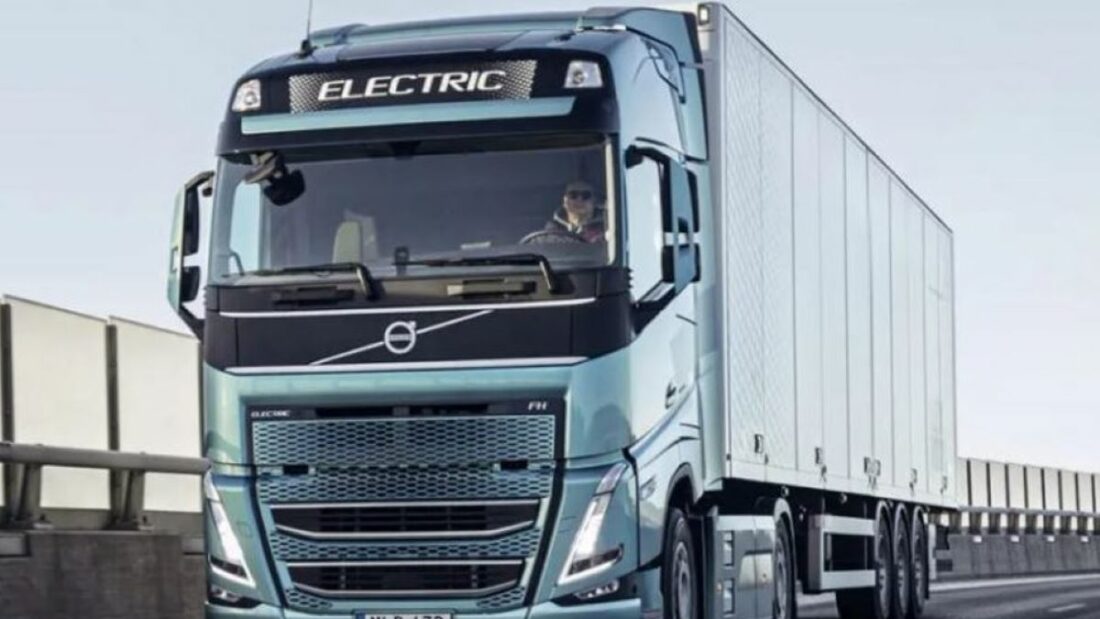
This piece reveals the Netherlands’ renewed subsidy programs aimed at accelerating the roll-out of 電気トラック, charging infrastructure and hydrogen mobility across the country.
What’s being restarted and why it matters
The Dutch government has reactivated a set of subsidy schemes funded through the Truck Tax reimbursement system. The idea is straightforward: return truck tax revenues to the transport sector to speed up decarbonisation and make the logistics chain more sustainable. TLN and other transport organisations pushed for this arrangement, and it has now been enshrined in law.
Overview of the main schemes
| Program | 発売日 | Budget (EUR) | Primary Focus | Progress to date |
|---|---|---|---|---|
| SPriLa (Private Charging Infrastructure for Businesses) | 20 Jan 2026 | €87.5M | Private charging points, battery storage | ~12,500 charging point applications since Sep 2024 |
| AanZET (Zero-emission Truck Purchase Grants) | 27 Jan 2026 | €78M | Purchase support for electric trucks | Higher budget than prior years; apply early |
| SPuLa (Public Charging Infrastructure for Heavy Transport) | 3 Feb 2026 | €14.5M | Public fast charging network for heavy-duty trucks | 300+ stations built across 45 locations from earlier rounds |
| SWiM (Hydrogen Mobility) | Spring 2026 (date TBC) | €45M | Hydrogen refuelling, hydrogen vehicles, logistics use cases | 7 new stations, 7 expansions, 700+ hydrogen vehicles previously |
Program details — what to expect
SPriLa supports businesses and entrepreneurs building private charging infrastructure and battery storage solutions. With a total pot of €87.5 million, this is the largest allocation and reflects the need for on-site charging at depots, distribution centers and terminals.
AanZET targets the purchase price gap for zero-emission trucks. With €78 million available, the program aims to make electric truck acquisitions more affordable—though applicants should be ready to act quickly given prior demand.
SPuLa focuses on publicly accessible fast chargers suitable for heavy vehicles, contributing to a national network that enables long-distance electric haulage. Its €14.5 million budget builds on a base of stations already funded in previous rounds.
SWiM will return in spring to back hydrogen refuelling and hydrogen-enabled logistics. The government is prepared to allocate €45 million for qualifying projects, contingent on meeting program conditions.
Why timing and speed matter
Experience shows these grants are snapped up fast. In previous openings, uptake was rapid—so early application is a must. Think of it as buying tickets for a sold-out show: if you wait, you’ll likely miss the best seats. For fleet planners and logistics operators this means aligning procurement cycles and depot upgrades with grant windows.
Implications for transport and logistics
These programs are more than green headlines; they have tangible operational consequences. Expect to see:
- Faster electrification of regional distribution fleets and last-mile operations.
- Increased demand for depot electrification, cable routing, and grid connections.
- Growth in public fast-charging for intercity haulage, enabling longer electric runs.
- Targeted adoption of hydrogen in specific long-range or heavy applications.
All of this changes fleet planning, utilization patterns and total cost of ownership calculations. Carriers and forwarders will need to rethink scheduling, charge planning, and spare vehicle pools—logistics decisions that ripple through dispatch, warehousing and distribution networks.
Practical checklist for operators
- Monitor opening dates (Jan–Feb 2026 and spring for SWiM).
- Prepare fast application packages: site plans, cost estimates, fleet data.
- Coordinate with energy suppliers and grid operators early.
- Model total cost of ownership including charging and potential downtime.
- Link grant timelines to procurement and delivery schedules to avoid gaps.
A note on budgets and realism
The sums look significant, but they’re targeted. The combined funds will help many projects get off the ground, yet they aren’t a silver bullet for full decarbonisation. Think of subsidies as accelerants: they help move the needle, but operators still need solid investment plans, staff training and infrastructure coordination.
How this affects companies arranging transport
For shippers, couriers and third-party logistics providers, the expanding charging and hydrogen network narrows the barriers for greener contracting. As more operators adopt zero-emission trucks and public charging becomes denser, shippers can expect more options, potentially lower emissions surcharges and more competitive pricing for green freight lanes.
Platforms that match cargo with carriers will benefit from a broader pool of compliant, low-emission vehicles—meaning better capacity for eco-sensitive shipments like temperature-controlled goods or high-profile corporate supply chains.
GetTransport connection
Providers such as GetTransport.com can help businesses tap into this evolving landscape by offering affordable global cargo transportation solutions, whether for office or home moves, cargo deliveries, or transporting large items like furniture, vehicles and other bulky goods. As fleets modernize, platforms that offer versatile transport options and transparent pricing become more valuable.
Highlights and final call to action
Key takeaways: the Netherlands is restarting major grants—SPriLa, AanZET, SPuLa and SWiM—totaling hundreds of millions of euros to speed up electrification and hydrogen mobility. These measures target depot charging, purchase incentives, public fast chargers and hydrogen refuelling and are likely to shift equipment choices and routing in freight networks. Of course, even the most detailed reviews and the most honest feedback can’t replace personal experience. On GetTransport.com, you can order your cargo transportation at the best prices globally at reasonable prices. This empowers you to make the most informed decision without unnecessary expenses or disappointments. Emphasize convenience, affordability, and extensive choices provided by GetTransport.com, along with transparency and straightforward booking. Get the best offers GetTransport.com.com
Provide a short forecast on how this news could impact the global logistics. If it’s insignificant globally, please mention that. However, highlight that it’s still relevant to us, as GetTransport.com aims to stay abreast of all developments and keep pace with the changing world. For your next cargo transportation, consider the convenience and reliability of GetTransport.com. Get the best offers GetTransport.com.com
In summary, these Dutch subsidies are a practical push toward more electric and hydrogen-driven haulage—supporting fleet purchases, depot electrification, public fast chargers and hydrogen stations. The result should be a gradual but clear shift in freight, shipment and delivery patterns: cleaner trucks on the road, new charging and refuelling points, and more options for transport buyers. Logistics actors—shippers, carriers, forwarders and dispatch planners—will want to align procurement, routing and scheduling with these funding windows to capture the benefits. Whether moving parcels, pallets, containers or bulky items in international or domestic lanes, the evolving landscape promises more reliable, lower-emission options; and platforms that aggregate carriers and offer transparent pricing will make it simpler to act.