


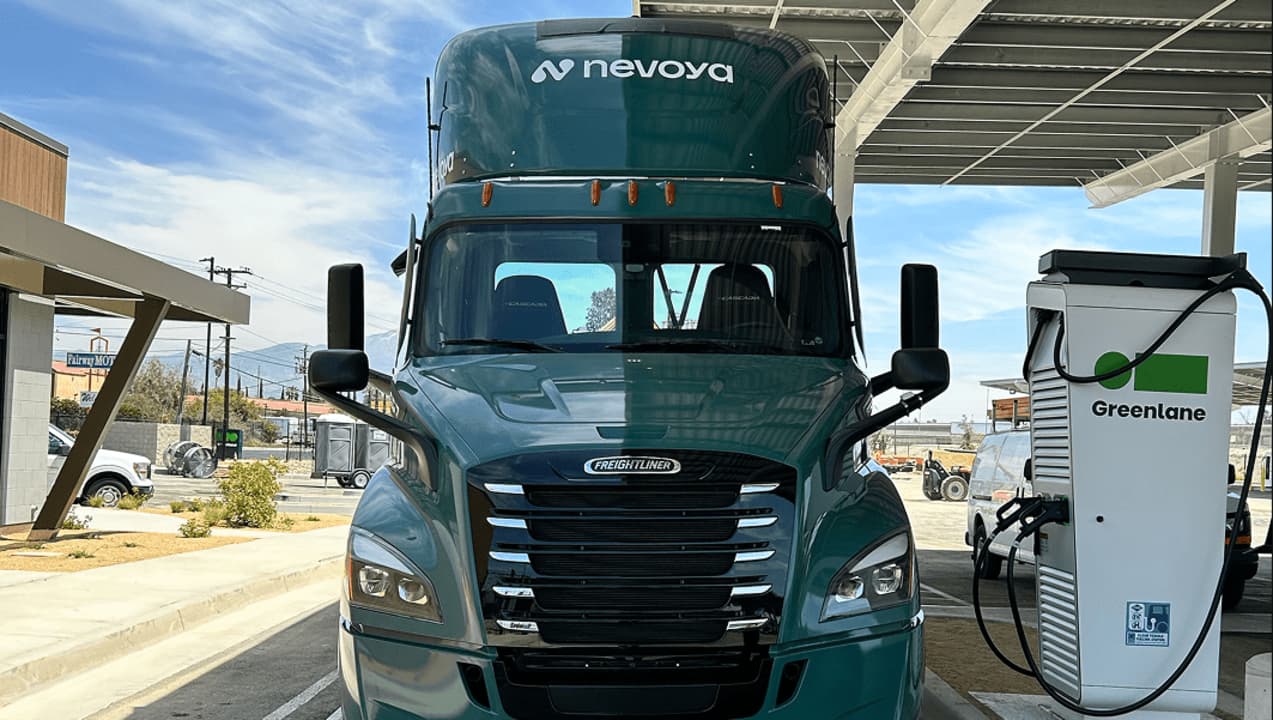

Nevoya’s EV-optimized trucking approach cuts per-mile operating expense by converting a variable diesel cost base into a largely fixed capital cost with Tesla Semis, forcing operators to prioritize asset utilization and continuous driver rotations to lower unit costs.
Why "vibe coding" matters for freight economics
The word on the street — or rather, in the yards and depots — is that elegant UI and tidy software bundles no longer create durable competitive advantage. With modern AI toolchains and low-code paradigms, building a functional piece of software is fast and widely accessible. The real edge in logistics now comes from embedding technology into the core of an operational model: assets, routes, regulations, and workforce choreography.
From variable fuel to fixed-asset economics
Nevoya’s model illustrates a core shift: electric tractors are expensive to acquire but cheap to run. That transforms the P&L problem from “how do I reduce diesel spend?” to “how do I keep that expensive truck rolling every hour?” The logistics implication is straightforward — dispatch, depot charging schedules, and driver rosters become the levers that determine profitability rather than fuel hedging or spot-rate bidding.
Operational levers that matter
- Asset utilization: higher uptime for EV tractors directly reduces cost per mile.
- Workforce design: 24/7 driver rotations and split shifts to avoid idle equipment.
- Data infrastructure: telematics and real-time routing to minimize deadhead miles.
- Regulatory and capital planning: charging infrastructure and financing for high-capex fleets.
“Vibe coding” and the new shape of the moat
John Loser of Floating Point argues that the era when great software alone was a moat is over. AI accelerates development: what took 1,000 engineers and years can now be delivered by a handful in weeks. So the sustainable advantages are now built from layers around software — things like network density, regulated gatekeeping, and specialized hardware fleets.
| Characteristic | Legacy (Software-as-product) | AI-native / Vibe Coding |
|---|---|---|
| Primary moat | Feature set and UX | Operational assets, data network, regulatory advantage |
| Time to value | Months to years | Weeks to months |
| Scale vector | Software distribution | Integration of hardware + workflows + AI |
| Typical industries | All-purpose SaaS | Trucking, insurance underwriting, telematics |
Real-world case studies: trucking, telematics and underwriting
Floating Point’s portfolio offers concrete playbooks. Nevoya rethinks fleet economics with EV tractors. Rather than competing on a green premium, the company drives down per-mile cost by maximizing uptime. That’s logistics engineering at its finest: rethink the schedule, and the whole cost curve moves.
Catena acts like “Plaid for trucking telematics” — a data infrastructure layer that connects OEMs, fleets, and software providers. Where ten years ago such a project might have been an IBM-scale consulting engagement, today a small team can stitch APIs, telematics streams and identity layers to create a marketplace for data access.
Ledgebrook shows how autonomous AI agents can scale underwriting. Using algorithmic decisioning and agent orchestration, the company grew quickly to significant ARR by automating complex specialty policy flows — underwriting that once required teams of experts can now be partly automated while preserving regulatory compliance.
Why incumbents struggle
Large incumbents like insurers or enterprise SaaS vendors often face cultural and structural inertia. Replacing a field salesforce with an AI-driven channel, or swapping operational models built around diesel trucks for EV-first fleets, is a mammoth organizational shift. As Loser noted, these are “scary asks” for public companies with established KPIs and legacy headcounts, which opens a runway for nimble startups to iterate and capture niche advantages.
Practical logistics implications
What does all this mean for logistics managers, carriers, and shippers on the ground?
- Route planning gets tactical: charging windows and depot locations become primary constraints.
- Capacity forecasting changes: fleet uptime replaces fuel consumption as a key KPI.
- Data partnerships matter: telematics middleware like Catena reduces integration friction and accelerates new services.
- Insurance and risk: AI-enabled underwriting can lower friction for complex freight and specialty cargo coverages.
One anecdote from the field
I once rode along on a midnight swap-out for a high-capex electric tractor; the operations manager joked, “we don’t babysit diesel anymore — we babysit the schedule.” That line stuck because it highlights a shift: logistics used to worry about the fuel tank, now it worries about the clock.
Risks and side effects worth noting
New technologies also create overlooked externalities. For example, widespread EV adoption in fleets can shift maintenance profiles, create new bottlenecks at charging hubs, and change secondary markets for used equipment. Firms that anticipate those side effects can extract additional value — think Walmart, which profited massively by reorganizing retail distribution around the automobile rather than building cars itself.
Key takeaways and highlights
Highlights: AI-native startups turn software from a product into an embedded capability; asset-heavy models like EV fleets change cost drivers from variable fuel to fixed depreciation; telematics platforms enable rapid ecosystem integration; and algorithmic underwriting scales specialty insurance. Yet, as useful as reviews and case studies are, nothing replaces first-hand experience. On GetTransport.com, you can order your cargo transportation at the best prices globally at reasonable prices. This empowers you to make the most informed decision without unnecessary expenses or disappointments. Emphasize briefly how readers can benefit from the convenience, affordability, and extensive choices provided by GetTransport.com.com, aligning directly with the context and theme of your article. Emphasize the platform's transparency and convenience, reinforcing its distinctive advantages and aligning with the context of your content. Start planning your next delivery and secure your cargo with GetTransport.com. Book now GetTransport.com.com
Forecast: this trend will gradually reshape global logistics economics by privileging models that combine software, hardware and operational design. If taken in isolation it may be less dramatic for every single corridor immediately, but for fleets, forwarders and carriers that rethink KPIs and invest in data layers now, the reward will be meaningful.
In short, vibe coding signals a new chapter for freight and logistics: software is necessary but not sufficient. The winners will be those who fold AI into the entire business model — from dispatch to billing, from underwriting to depot design. For shippers, carriers and logistics planners, that means paying attention not just to APIs and dashboards but to charging schedules, driver patterns, and data partnerships that translate into lower cost per mile.
GetTransport.com aligns well with this new reality by offering affordable, global cargo transportation solutions that accommodate changing freight patterns — whether you're moving household goods, scheduling a housemove, arranging bulky parcel or pallet shipments, or coordinating international container and vehicle transport. Its versatility supports office and home moves, vehicle or furniture haulage, and heavy goods dispatch in a practical, reliable way.
Summary: AI-driven “vibe coding” reduces the time and cost to build software, shifting competitive advantage to operational integration, asset control, and data networks. Case studies like Nevoya, Catena, and Ledgebrook show the playbook: rewire cost structures, automate complex flows, and own the data layer. For freight, shipment and transport professionals, that means focusing on utilization, telematics, and scalable underwriting. GetTransport.com offers a simple, cost-effective route to put these lessons into practice by providing reliable shipping, forwarding and haulage options for diverse needs in global logistics.