


 日本語
日本語  English (UK)
  Русский
  العربية
  한국어
한국어  Magyar
  Türkçe
  Español
  Čeština
  Svenska
  Português
  Ελληνικά
  Suomi
Suomi  Nederlands
  Română
  Italiano
  Français
  Polski
  Українська
  Deutsch
  简体中文
简体中文  Slovenčina
 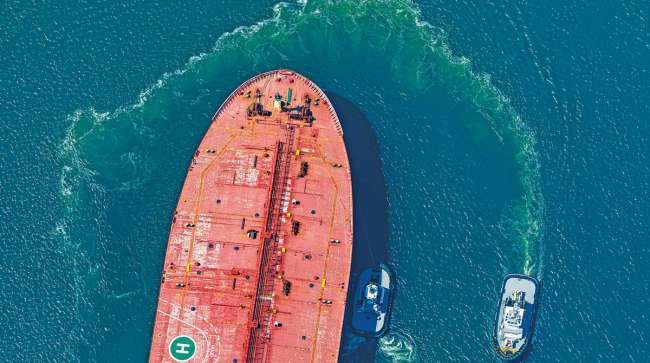 How New Supertankers’ Empty Voyages Reflect a Global Oil Tanker Shortage Impacting Shipping and Logistics">

Unprecedented Oil Tanker Shortage Alters Shipping Patterns
It’s no secret the global oil transport system has taken a hit with an acute shortage of oil tankers, throwing usual maritime routines out of whack. Instead of shipping refined fuels on their maiden trips, brand-new supertankers are making journeys without cargo, sprinting empty to load crude oil as quickly as possible.
New Vessels Sailing Empty: A Shift from Tradition
In a year marked by this scarcity, six supertankers built in East Asia have departed empty to collect crude from various global hotspots — the Middle East, Africa, and the Americas — a stark jump from just one such voyage the year prior. Typically, freshly built tankers load refined products on their initial runs, a practice rooted in economic sense and operational cleanliness. Refined fuels require no washing of the tanker afterward, and since many ships are constructed in East Asia—a major importer of crude oil and exporter of refined fuel—this makes the maiden trip a neat, tidy affair.
Yet, the logic that guided shipping for decades is now being rewritten by market pressures.
Reasons Behind the Tanker Crunch
A cocktail of factors has sparked this drastic change. Oil producers, including those inside and outside OPEC, have been pumping up volumes this year, needing more vessels to handle the load. Meanwhile, geopolitical and regional issues like Western sanctions on Russia and security concerns in key shipping lanes such as the Red Sea have forced reroutes and prolonged voyages. This has stretched the tanker supply thin and pushed demand beyond the available fleet.
Smaller Ships Pulled Into Larger Roles
It’s not just the giants bearing the burden. Even smaller product tankers, which typically ferry refined products, have found themselves hauling crude. In some cases, cargoes must be broken up into smaller shipments simply because there aren’t enough large vessels available. The domino effect? Shipping costs have soared. According to the Baltic Dirty Tanker Index, the benchmark for crude oil freight rates across 12 major routes, rates have surged by over 50% since late July. Meanwhile, the Baltic Clean Tanker Index, covering refined product shipping, crept up a modest 12%.
Portfolios of Voyage Earnings
| Ship Type | Daily Earnings (USD) |
|---|---|
| Very Large Crude Carriers (VLCCs) | $100,000+ |
| Suezmax Tankers | $80,000+ |
High daily charter rates are spurring a rush among shippers and charterers to lock in vessels. It’s a classic “strike while the iron is hot” scenario as nobody wants to miss out on profitable freight options amid thin availability.
Case in Point: Landmark Empty Maiden Voyages
For instance, the Aliakmon I was noted as the first supertanker this year to set sail empty from a Northeastern Chinese shipyard in late June. Rather than carrying fuels, it headed straight to Kuwait to load nearly 2 million barrels of crude, which it then delivered to Vietnam. Even the Atrebates, delivered in early November, bypassed refined cargo on its maiden trip, steaming empty from China to the Middle East to pick up crude from Iraq.
Implications for Global Oil Transport Logistics
These unusual maneuvers scramble the operational playbook for tanker logistics, freight planners, and oil traders alike. The need for long, empty repositioning voyages not only adds to fuel consumption and costs but also complicates scheduling and cargo optimization.
From a logistics standpoint, the shortage of tankers reflects more than just a market blip—it echoes through the entire global supply chain, influencing how freight, shipment, and delivery scheduling are handled worldwide. Cargo carriers and forwarding services are feeling the pinch as rates spike and availability tightens, pushing industries to rethink transport planning and risk management for bulky and international freight shipments.
Summary of Consequences for Oil Shipping
- Increased operational costs due to longer empty voyages
- Capacity constraints forcing use of smaller vessels or multiple shipments
- Disrupted traditional routes due to geopolitical and safety concerns
- Higher freight rates impacting global oil prices indirectly
What This Means to Those Moving Cargo Today
While charts, indexes, and industry experts provide a bird’s-eye view of the tanker shortage impact, nothing beats firsthand experience. Even the most detailed reports can only hint at the challenges transporters face when vessels must travel empty, routes extend, and capacity shrinks.
On platforms like GetTransport.com, these dynamics matter because finding reliable, affordable transport isn’t just about moving goods from A to B anymore. Whether it’s office relocations, household moves, or shipping bulky items like vehicles and furniture, understanding global freight trends helps businesses and individuals make informed choices. GetTransport.com’s wide global network and competitive pricing help users avoid overpaying for transport services amid fluctuating markets. Convenience, transparency, and variety make the difference when planning logistics in an unpredictable environment.
Book your cargo transportation at the best global prices, ensuring efficiency and reliability. GetTransport.com
今後の展望:グローバルロジスティクスへの影響
Though this tanker shortage’s direct impact might feel niche to some corners of global logistics, the ripple effects cannot be dismissed. Delays in crude shipments can cascade into wider supply chain disruptions, influencing refinery feedstock availability, product distribution, and ultimately end-customer delivery times in various industries.
GetTransport.com stays tuned to such developments, ready to adapt and keep freight flowing smoothly despite such challenges. For any upcoming freight dispatch, consider the platform’s combination of affordability, global reach, and reliability.
次回の配送計画を立て、貨物の安全を確保しましょう。 GetTransport.com.
結論
The recent spike in empty maiden voyages by new supertankers underscores a strained global oil tanker market impacted by surging production, rerouted shipping lanes, and geopolitical pressures. These empty repositioning trips add costs and complexity to global oil freight, pushing up rates and compelling makeshift shipping solutions like deploying smaller vessels for crude transport. For logistics and transport sectors, this trend highlights the fragile interplay between vessel supply, cargo demand, and route dynamics.
For anyone navigating the intricacies of cargo, freight, shipment, delivery, and haulage in today’s environment, recognizing these changes is key. Platforms like GetTransport.com simplify these challenges by offering transparent, affordable, and reliable transport solutions, whether for international shipping or local moving needs. With a vast global network covering house moves, bulky goods, vehicle transportation, and more, GetTransport.com stands ready to help customers manage logistics with confidence and ease.