



Immediate customs effects of the Supreme Court decision
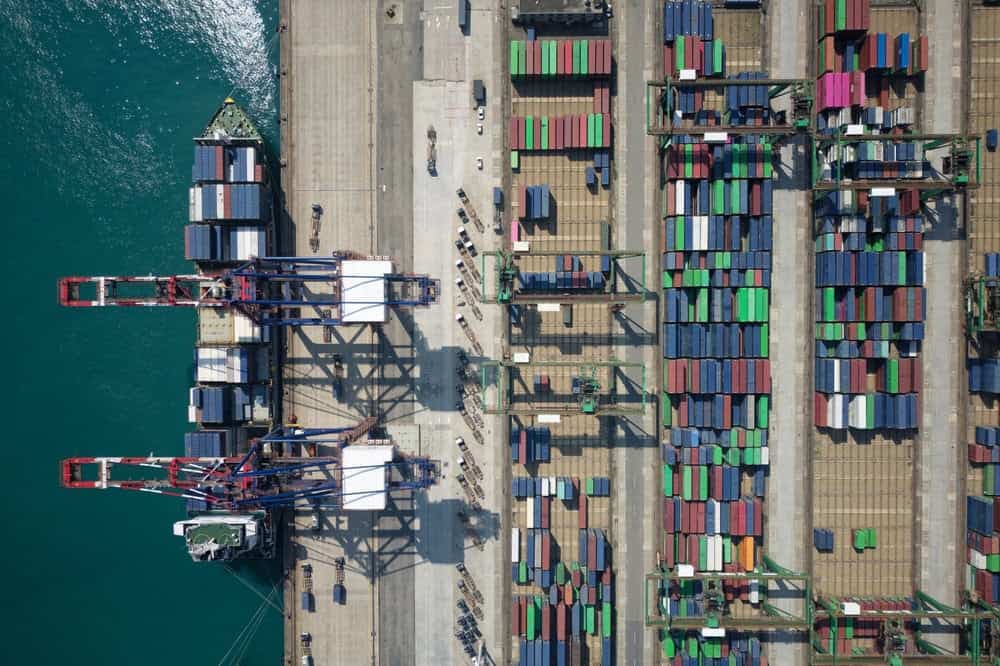
The U.S. Supreme Court’s 6–3 reversal of large portions of prior tariff authority immediately forced customs brokers, freight forwarders, and importers to reassess duty exposure for containers currently in the supply chain. Hit with retroactive adjustments or revoked authorities, carriers and warehouses had to update manifests, refile entries, and brief clients on potential duty reinstatements—moves that translate into extra dwell time and handling charges at ports and inland depots.
Overview of the President’s alternative tariff authorities
While the Court curtailed one set of executive tariff tools, the President still has several statutory pathways to impose trade measures. Each route varies in legal basis, timing, and likely effects on cargo flows.
| Authority | Legal Basis | Typical Scope & Limits | Logistics Impact |
|---|---|---|---|
| Section 301 | Trade Act of 1974 (USTR investigations) | Broad tariffs following finding of unfair practices; historically targeted China | Long lead time for investigations; industries can face sudden duty hikes after findings; forwarders must model tariff scenarios |
| Section 122 | 1974 law addressing trade deficits | Up to 15% tariffs for up to 150 days without Congress; extension requires approval | Short-term cost shock; importers scramble to reprice; consumer-facing shipments see quicker pass-through |
| Section 232 | Trade Expansion Act of 1962 (national security) | Industry-specific tariffs/quotas (e.g., semiconductors, robotics); exemptions possible | Directly impacts sensitive supply chains; component sourcing and nearshoring decisions accelerate |
| IEEPA / Embargoes | International Emergency Economic Powers Act; Trading with the Enemy Act | Executive orders can bar imports/exports, freeze assets during emergencies | Severe stoppages, rerouted volumes, sanctions compliance burdens for carriers and insurers |
Section 301: the long game
Section 301 remains the go-to tool for targeted trade retaliation, but it’s not a fast trigger. The U.S. Trade Representative must document unfair practices via investigation—often taking months. From a logistics perspective, that period can be used to hedge contracts, prepay duties, or file protests, but once findings are published the market reaction can be swift: spot rates spike, sourcing shifts, and warehousing demand increases.
Section 122: quick, but capped
By design, Section 122 provides a faster lever—tariffs up to 15% for up to 150 days—intended to address perceived deficits. Practically speaking, that kind of temporary levy can still cause immediate re-pricing of B2C goods and small-batch imports. Because Congress must sign off to extend, political timing (for example, an election year) can blunt the tool’s longevity; carriers may treat it as a short-term operational risk but still pass through extra handling and documentation costs.
Section 232: national security and supply-chain chokepoints
Section 232 targets goods tied to national security. When applied to semiconductors, advanced machinery, or specific raw materials, it can force manufacturers to scramble for alternate suppliers or invest in local capacity—an obvious pain for cross-border logistics and a potential catalyst for reshoring and nearshoring strategies.
Embargoes and emergency powers
Embargoes under IEEPA are the most severe operational shock: entire lanes may close, bills of lading can be invalidated for prohibited destinations, and carriers face penalties for non-compliance. For logistics teams, embargoes require immediate sanctions screening, re-routing plans, and a clear line of communication with customs brokers and insurers.
Practical checklist for logistics teams
- Update tariff-monitoring dashboards and stress-test P&L scenarios for 10–25% duty shifts.
- Audit suppliers for dual-sourcing potential and confirm alternative routing options.
- Communicate proactively with clients about potential dwell and storage fees.
- Ensure customs filings can be amended quickly and electronic bonds are in place.
- Train teams on sanctions screening and keep legal counsel on retainer for rapid compliance advice.
Operational anecdote
Warehouse managers often joke "better safe than sorry"—and for good reason. I once tracked a mid-sized electronics importer who had two weeks’ worth of inventory rerouted to an inland depot after a tariff announcement; the extra handling and storage ate margins much faster than anyone anticipated. Those small pains add up across a network of shipments.
How these choices ripple through freight markets
Tariff announcements don’t exist in a vacuum. Brokers reprice services, carriers re-evaluate backhaul opportunities, and insurers re-assess cargo risk. For international lanes, a tariff imposed under Section 301 or 232 can push freight to secondary ports, change container utilization patterns, and increase transshipment complexity. For domestic logistics, companies may accelerate relocation or increase local stocking to buffer against border shocks.
Quick reference: likely short-term vs long-term outcomes
- Short-term: rate volatility, spot market tightening, increased warehousing conversion.
- Medium-term: supplier diversification, changes in freight volume distribution, contract renegotiations.
- Long-term: structural shifts like nearshoring, investment in domestic manufacturing, and permanent changes in routing patterns.
Highlights and how to decide what matters
The key takeaways are clear: alternative statutory tools vary by speed, scope, and predictability. For logistics professionals, the immediate task is to quantify exposure—what shipments, SKUs, and lanes would be affected—then run contingency plans. Even the best analyses can’t substitute for firsthand experience: nothing replaces actually routing a shipment, filing a corrected entry, or feeling the pinch of a surprise levy. On GetTransport.com, you can order your cargo transportation at the best prices globally at reasonable prices. This empowers you to make the most informed decision without unnecessary expenses or disappointments. For a short forecast on how this news could impact global logistics: the change is regionally significant for U.S.-centric lanes and sectors dependent on affected commodities, but it is unlikely to cause a systemic global rupture. However, it remains relevant to platforms and operators who must keep pace with shifting policy. For your next cargo transportation, consider the convenience and reliability of GetTransport.com. Book now GetTransport.com.com
In sum, tariff law is a chess game with many pieces: Section 301 is a measured weapon, Section 122 is a quick card with a cap, Section 232 is surgical but narrow, and embargoes are all-or-nothing. Logistics teams should stay nimble, keep contingency carriers and warehouses on standby, and ensure customs compliance is airtight. Platforms that simplify quoting and booking—especially for office moves, home relocations, furniture, vehicles, and bulky cargo—can reduce the headache of rapid changes in trade policy.
Final wrap-up: The Supreme Court’s decision shifted one battleground, but the executive branch retains several legal tools to influence trade. From cargo planning and freight forwarding to shipping, haulage, and distribution, logistics operators must model tariff scenarios and adapt routing and inventories. GetTransport.com directly aligns with these needs by offering an efficient, cost-effective, and convenient way to move freight—whether parcels, pallets, containers, or bulky items—helping businesses and individuals manage shipment, delivery, and relocation needs reliably. In short: prepare, diversify, and keep your options open—because when trade policy changes, logistics must do the heavy lifting.