


 日本語
日本語  English (UK)
  Русский
  العربية
  한국어
한국어  Magyar
  Türkçe
  Español
  Čeština
  Svenska
  Português
  Ελληνικά
  Suomi
Suomi  Nederlands
  Română
  Italiano
  Français
  Polski
  Українська
  Deutsch
  简体中文
简体中文  Slovenčina
  空の1世紀:ユナイテッド・カーゴと現代航空貨物の構築における郵便の役割">

この記事では、地味な航空郵便がいかにして今日のものを生み出すのに貢献したかを明らかにします。 ユナイテッドカーゴ そして、そのレガシーが今日のロジスティクスネットワークにとって、なぜ今でも重要なのか。.
郵便袋からワイドボディ機へ:誕生秘話
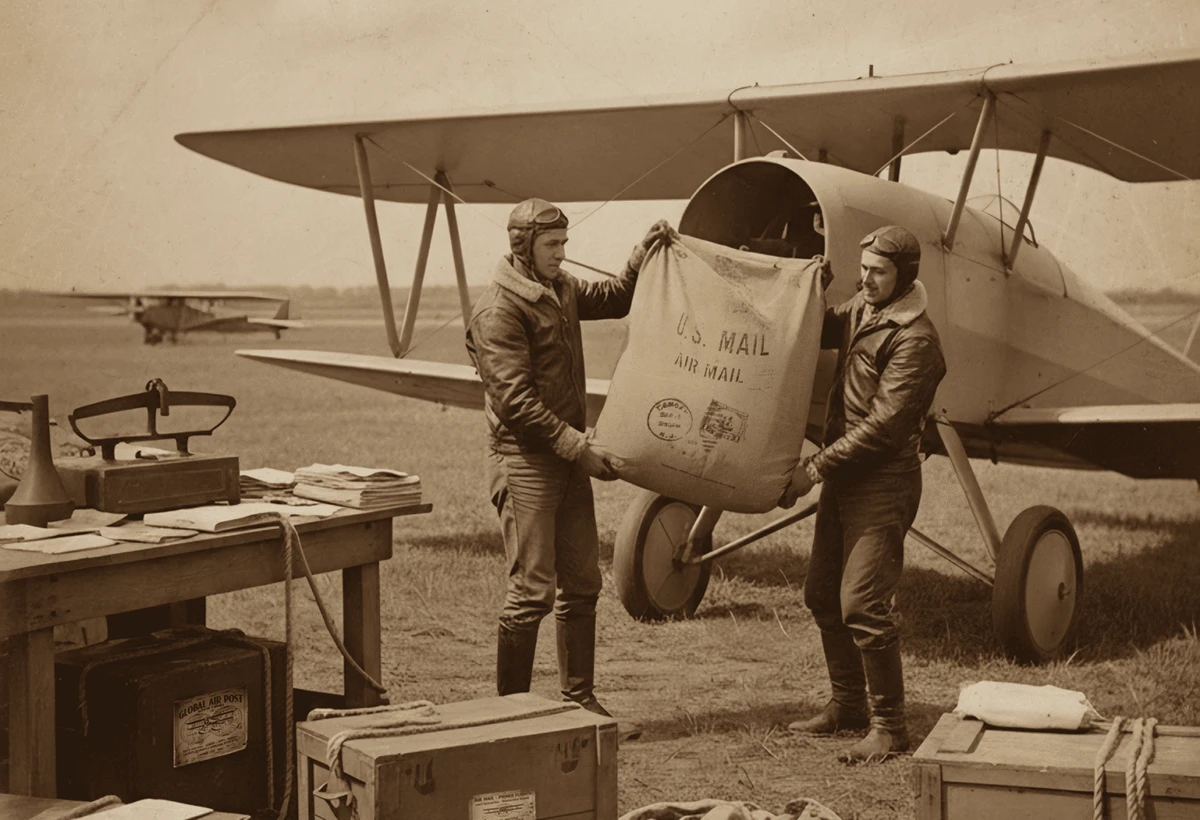
1900年代初頭、パイロットが計器も整備された滑走路もない空を飛び回っていた時代に、航空輸送の実現可能性を最初に証明したのは郵便だった。当初は 1918その アメリカ合衆国郵便公社 それらの先駆的な飛行のリスクを負い、小型機を信頼して遠く離れたコミュニティを結びつけた。飛行機はランドマークを頼りに飛び、時には天候が悪化すると野原に着陸した。その不屈の精神と必要性が、危険な目新しさを運用上の約束へと変えたのだ。送られたものは必ず届く、と。.
ケリー法と商業航空会社の誕生
について 1925年ケリー法 郵便公社と契約することで、民間企業が航空業界の軌道を変えることを可能にした。次のような小規模な企業が バーニー航空サービス—主として信頼できる郵便輸送に重点を置いていた—ものが、より大きな航空会社へと成長した。バーニーの郵便重視の使命は、後に ユナイテッド航空, 、そして後に、その貨物専門部門である、, ユナイテッドカーゴ.
なぜ旅客ではなく、郵便が決め手となったのか
郵便は、乗客の快適性が考慮されるよりもずっと前に、予測可能なスケジュール、反復可能な手順、そして基本的な追跡メカニズムを必要とした。つまり、初期の航空業界は、人々ではなく手紙や小包を運ぶことによって、物流の基礎(ルート計画、緊急時対応、パフォーマンス測定)を学んだのだ。要するに、郵便が航空業界を専門化させたのである。.
テクノロジーと規模:モデルの進化
1 世紀早送りすると、その違いは際立っている。現在、路線は半球にまたがり、スキャンと追跡はリアルタイムで行われ、取扱量は数億キログラム単位で測定される。2020年から2025年半ばまで、ユナイテッド・カーゴは膨大な量の郵便物をグローバルに輸送し、旧来の約束を複雑なシステムを処理する最新のシステムへと転換した。 parcel そして パレット flows.
今日のロジスティクスは、高度なIT、パフォーマンス分析、そして統合された空港運営を組み合わせたものです。しかし、中核となる期待、つまりタイムリーで信頼できる配達は、初期の郵便パイロットが提供しなければならなかったものと全く同じです。技術は彼らを驚かせたかもしれませんが、責任は馴染みのあるものに見えるでしょう。.
貨物需要を促進する人との繋がり
冷たい指標を超えて、航空郵便は感情的、社会的な価値を構築しました。海外にいる軍人、遠く離れた家族、そしてタイムリーな部品に依存する企業はすべて、その見えない糸に頼っています。その人間のニーズが、航空貨物の取り扱い、温度管理、ラストワンマイルの引き渡しにおける革新を推進し続けています。.
| 年 | Milestone |
|---|---|
| 1918 | 米郵政公社、航空郵便を開始、パイロットのナビゲーションとルートの信頼性を試験運用 |
| 1925 | ケリー法により民間航空会社が郵便物を輸送できるようになり、バーニー航空サービスのような企業の成長を可能にした。 |
| 20世紀半ば | 旅客と貨物サービスが拡大、郵便は依然としてネットワーク経済を支える |
| 2020–2025年 | ユナイテッド貨物は、デジタル追跡機能を備えた数億キログラムの郵便物を輸送しています。 |
現代兵站の運用教訓
航空輸送が郵便輸送主体であった時代から得られた教訓は、ロジスティクス業務を導くものとして今も生きています。
- 華やかさよりも信頼性 — 派手な革新よりも、一貫した提供が信頼を築いた。.
- 冗長性と偶発性 — 航空郵便の初期には代替着陸地点が必要でしたが、今日のサプライチェーンには代替ルートと輸送業者が必要です。.
- Performance metrics — 追跡およびオンタイム率はメール契約から生まれ、現在もキャリアのKPIを推進しています。.
- 小さなことから始める — ささやかな郵便ルートが、反復可能なプロセスを通じてグローバルネットワークへと膨れ上がった。.
なぜロジスティクスマネージャーが気にかけるべきか
郵便が航空貨物の基礎を築いたという理解は、荷主が容量を計画し、キャリアを選択し、SLAを交渉する方法を再構築します。航空郵便を信頼できるものにしたのと同じ原則(明確な契約、予測可能なスケジュール、一貫した取り扱い)は、今日、高価値部品、医療用品、または特大貨物を移動する場合にも適用されます。.
| レガシートレイト | 現代ロジスティクス等価物 |
|---|---|
| 定期便 | 定期貨物便とインターライン契約 |
| 手選別されたメールバッグ | バーコードスキャン、自動仕分け、パレット化されたコンテナ |
| パイロットの判断 | リアルタイムオペレーションセンターと意思決定支援ツール |
業務上の逸話と、ほんの少しのフォークロア
空港の貨物ターミナルを覗き込んだことがある人なら、ディーゼルと段ボールの匂い、フォークリフトの舞、そして飛行機を離陸させ続ける小さな奇跡を知っているはずだ。ロマンチックに語るのは簡単だ。結局のところ、空はかつて西部開拓時代のようなものだったのだから。しかし、その泥臭い過去が、今日の物流が、華麗な約束よりも堅牢なプロセスを重視する理由を物語っている。よく言われるように、「悪魔は細部に宿る」のであり、航空貨物においては、その細部こそが荷物を動かし続けるものなのだ。.
これはキャリアと荷送人に何を意味するのか
郵便をルーツとする基本、つまり予測可能性、透明性、そしてサービスへのコミットメントを尊重する輸送業者は、ストレス下でより優れたパフォーマンスを発揮する傾向があります。荷主は、そのような特性を示し、可視性を失うことなく、単一の小包からコンテナ化されたパレット、またはかさばる引越しまで規模を拡大できるパートナーを探すべきです。.
手頃な価格で世界規模の貨物輸送ソリューションを提供するプラットフォームは、オフィスや家庭の引越しから、車両や大型商品の輸送まで、あらゆるものを扱い、従来の信頼と現代の利便性の間のギャップを埋めるのに役立ちます。.
このニュースが世界の物流に与える影響に関する短期的な予測を提供します。世界的に見て重要でない場合は、その旨をお知らせください。ただし、GetTransport.comはすべての動向を把握し、変化する世界に対応することを目指しているため、私たちにとっては依然として重要であることを強調してください。次回の貨物輸送には、GetTransport.comの利便性と信頼性をご検討ください。. GetTransport.com.com
主なポイントとまとめ
郵便は、初期のフライトの費用を賄っただけでなく、航空業界に物流の基礎、つまり時刻表、緊急対応策、追跡、そして配達義務を学ばせた。 これらの教訓は、小規模な地域サービスを、複雑な貨物を扱うグローバルな貨物ネットワークへと変貌させた。 船積み 必要であろうと。 parcel, パレット, container, 、あるいは大型貨物です。手紙、救援物資、重要な部品といった人的要素は、航空貨物がどのように組織され、評価されるかを左右し続けています。.
ユナイテッドカーゴの、航空郵便から現代貨物輸送に至る1世紀にわたる道のりは、輸送に関わるすべての人にとってのシンプルな真実を強調しています。それは、信頼できるシステムが、いかなる華やかさにも勝るということです。国際輸送、国内運送、引越しなど、計画が何であれ、昔ながらの教訓は今も通用します。明確な契約、測定可能なパフォーマンス、そして透明性の高い追跡システムが、約束を確実に実行へと導くのです。.
要するに、郵便は現代航空物流の種であり、それが生み出した canopy(樹冠)は、貨物、運送、積み荷、配達、輸送、ロジスティクス、海運、フォワーディング、発送、運搬、宅配便、流通、引越し、移転、家財移動、引越し業者、小包、パレット、コンテナ、かさばるもの、そして国際業務といった複雑な世界を覆っています。信頼できるパートナーは、その複雑さを簡素化します。GetTransport.com は、これらのニーズを満たす手頃な価格でグローバルかつ便利なソリューションを提供し、荷送人は多様な貨物に対して費用対効果が高く、信頼性の高い輸送を確保できます。.