


 한국어
한국어  English (UK)
  Русский
  العربية
  日本語
日本語  Magyar
  Türkçe
  Español
  Čeština
  Svenska
  Português
  Ελληνικά
  Suomi
Suomi  Nederlands
  Română
  Italiano
  Français
  Polski
  Українська
  Deutsch
  简体中文
简体中文  Slovenčina
 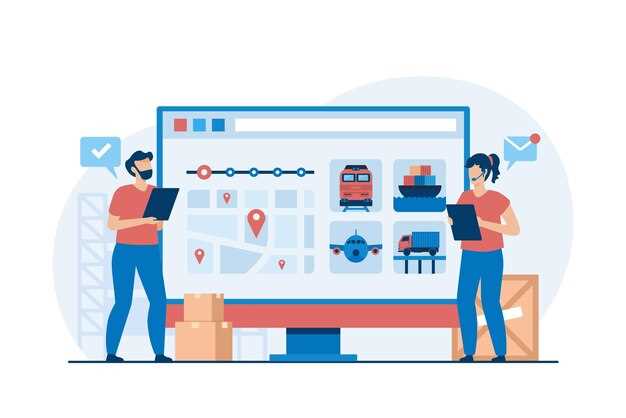 4 Key Features Every Last-Mile Delivery Management Software Must Have">

Choosing real-time routing with traffic-aware dispatch will immediately reduce miles and idle time, boosting productivity. In a case with a 150-vehicle fleet, this approach minimizes idle time by 15–20% and cuts miles by 12–18% in the first three months; after that, benefits compound as routes stabilize. That would take a controlled pilot on a subset of routes, then expand across the network into the broader program to confirm the gains already recorded in similar operations.
End-to-end visibility built on recorded events, GPS traces, and live ETA updates lets you meet windows and reduces inquiries. In case studies, brands report a 20–30% drop in missed ETAs and a 25–40% decrease in status inquiries after adopting this layer. When choosing among systems, look for API access, event-level data, and a portable feed that can be integrated into dashboards; theyre ready to inform daily decisions and, also, to guide the brand and its fleet.
Streamlined driver communications and handoff confirmations keep operations aligned. In-vehicle prompts, automated alerts, and in-app messaging reduce misroutes; theyre able to acknowledge handoffs in real time, and all confirmations are recorded for the brand’s audit trail. This clarity minimizes dispatch errors and improves final-mile execution.
Analytics and benchmarking turn data into actionable steps. A concise guide to choosing a platform should include metrics for final cost per stop, traffic-adjusted time, and productivity per driver. With ready dashboards and available benchmarks, teams can meet targets faster, see the benefits in weeks rather than quarters, and turn insights into everyday improvements. Already, many brands have seen cost per stop fall 8–15% after three months; further, you can extend gains by standardizing handoffs and regional routing.
Ultimate Guide to Last-Mile Delivery Management Software
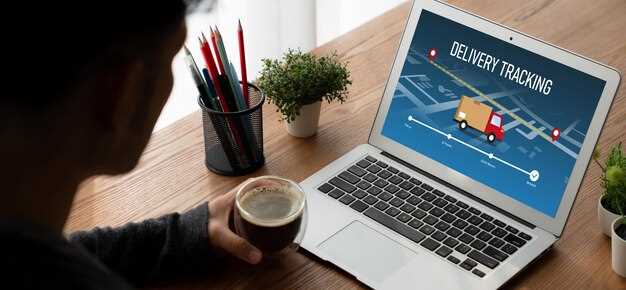
Start with a centralized system that directly connects with brands and carriers, enabling real-time routing, status updates, and automated hand-offs.
Focus on three core capabilities: integration with the supply network, dynamic routing, and end-to-end visibility. These drive measurable improvements in on-time performance and satisfaction.
Through utilization of live data, minimize non-delivery events by optimizing carrier mix, modes, and cargo assignments. Align main objectives with demand patterns to balance workloads before peak periods.
Prioritize drivers and touchpoints: equip mobile apps for status updates, proof of pickup, and cargo scans. This reduces friction and improves satisfaction across partners, especially for brands that operate long-haul routes and multiple vehicles.
Adopt a staged approach: start with essential integrations, then expand to full routing and logistics dashboards. This ensures the rise in efficiency is steady and the risk of disruption is low.
Test each feature against real-world scenarios: on-time, non-delivery, and delivered-confirmation workflows to validate value.
Before selecting a solution, compare integration breadth: ensure support for order orchestration, shipping labels, and non-delivery risk modules. A system that provides delivered status updates, proactive alerts, and proactive exception handling helps minimize non-delivery and boosts customer satisfaction. Already used by several top brands, this approach makes operations more resilient and fully scalable, especially when demand spikes.
| 측면 | 연습 | 영향 |
|---|---|---|
| Carrier integration | APIs with main carriers, including long-haul fleets and regional brands | reduces manual touch by 40-50% |
| 경로 최적화 | dynamic algorithms that consider demand, routes, cargo, and modes | boosts on-time share by 15-20% |
| Visibility & alerts | live tracking, non-delivery alerts, and delivered confirmations | improves customer satisfaction by 10-25% |
| Driver app | offline maps, touchless scans, status updates to customers and ops | reduces dwell time and speeds hand-offs |
Define Destination Types: Residential, Commercial, Locker, and Pickup Points
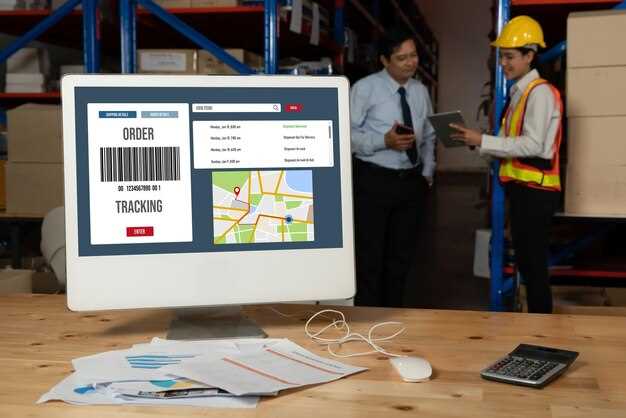
Classify destinations into four types–Residential, Commercial, Locker, and Pickup Points–and encode this taxonomy into routing rules to increase accuracy and reduce trips.
Residential: verified addresses, gate codes, and preferred contact; Commercial: dock width, access doors, pickup windows; Locker: locker ID, release code, and pickup window; Pickup Point: store hours, location ID, and pickup verification.
This categorization shapes routing decisions, improves dock utilization, and minimize manual touch by drivers. The impacts include shorter trips, fewer exceptions, and a lower rate of wrong-handovers.
Below are practical steps to implement, using integration with providers and addressing data quality: map customer addresses to the four types, enrich with fields per type, set up rules that push locker or pickup points to collect in specific windows, and notify drivers accordingly.
Once configured, run a demo to validate assumptions; compare shipping times and report on key metrics such as on-time share, average handover time, and failed handovers. The reason for improvements becomes clear after reviewing the data, and done with the validation, thats the moment to scale.
Integration with courier providers and store networks adds coverage and speeds up onboarding; this approach works with three product families: lockers, stores, and home addresses. These products cover lockers, pickup storefronts, and residential routes. A case demonstrates how a retailer reduced handover attempts by 25% after adopting destination-type routing.
After deployment, track below KPIs: increase in pickup rates at lockers, decrease in failed drop-offs, and a unified report that shows which routes, spots, and providers drive results. That data helps you find optimization opportunities and tailor plans for different regions.
Ultimately, a well-defined destination map reduces problems, lowers manual interventions, and keeps people satisfied while keeping products moving through lanes with minimal waits.
Destination-Type Aware Routing: Apply Rules and Constraints by Destination
Configure rules by destination category and let the routing engine adjust automatically to real-time conditions. This ensures each route meets constraints that match the recipient, whether a store, campus, or residential cluster. Start with a demo in a small group of stores, then, once results are verified, push adoption across the network.
Define destination types such as stores, campuses, residential neighborhoods, and remote depots. For each category, set time windows, access rules, vehicle type, and staging points. Each constraint influences the route decision and helps prevent problems at the point of handoff, addressing needs of managers and customers alike.
Cost control comes from selecting the great-fit fleet for each task and avoiding trips that cause long idle times. By splitting destinations, you can lift cargo visibility, shorten distance, and allow more stops within shift room, reducing the amount of fuel burned. This is especially valuable for last-mile tasks.
Measure success with number-based dashboards: number of non-delivery events, on-time points, and cargo incidents by destination type. A solid rule set should improve route efficiency. Managers can adjust constraints after patterns emerge, and adoption grows as teams see tangible results. This isnt a one-off tweak, it requires ongoing calibration.
For consumers, the impact is tangible: fewer problems, tighter handoff windows, and clearer status updates theyre confident in. Stores report higher throughput, while the fleet gains predictable workloads. After rollout, run a post-demo review to capture lessons learned and refine rules for the network.
Implementation steps: build a destination-type library with attributes, feed accurate demand signals, and maintain room in the route library for exceptions. This sandbox demo allows rapid learning, monitor cost and service level, and ensure the approach scales as demand rises. The result is a repeatable process that improves adoption among managers who want more control over each shipment.
Real-Time Tracking and ETA with Time Windows for Each Destination
Begin with a live-tracking layer that shows vehicle position, ETA, and a time window for each destination. This includes per-stop targets that absorb snarls and vary with traffic, weather, and load. Set default windows for urban routes at 10-15 minutes and 15-25 minutes for longer legs, then adjust based on observed performance.
todays operations require well-informed signals; the platform should show ETA shifts as conditions change and carry a clear history of deviations. The system ensures a likely arrival range for each stop, so planners can find and keep customers and dispatchers informed. This approach gives dispatchers a look at performance trends and provides them with concrete signals to act on.
Dynamic routing and time windows are pillars of an efficient operation; they are the main anchors that set expectations and prevent brittle schedules. These windows should be dynamic and adjustable based on real-time feeds from traffic, weather, and driver pace, with each destination assigned a suitable window that balances reliability and carrier availability.
Historical data shows that aligning windows with actual routes raises on-time share, and yields a reliable ETA band within a tight margin. Start with a baseline of 15 days of corridor data and test windows of 5, 10, or 15 minutes depending on distance and curb rules. In urban markets, aim for 85-92 percent of arrivals within the chosen window, and use wider slots for peak periods to protect overall reliability.
Electric fleets and bicycle-based operations are very suitable for dense urban zones, where e-commerce flows often demand near-doorstep time. Time windows help ensure carriers can carry shipments without excessive idle time while keeping end customers satisfied. While these options are available, maintain charging schedules, bike checks, and routine vehicle health checks to avoid delays during high-pressure periods.
Implementation steps start with defining time-window templates, then integrate telematics and a mapping engine that feeds live ETAs. Run a pilot in a single district to find practical defaults, then scale. Main tasks include setting per-stop windows, enabling automatic re-dispatch if ETA drifts beyond window, and notifying customers with accurate status updates. These measures ensure high adherence and reduce manual interventions.
The payoff is measurable: higher on-time rates, lower customer inquiries, and less pressure on drivers. Available dashboards reveal per-route performance, highlight snarls, and guide continuous improvement. Attention to per-destination windows would raise service quality and lower risk during peak periods.
도착 유형별 배송 확인, 예외 및 규정 준수
목적지 유형 인지 증거 흐름 구현: 핸드오프 시 터치 확인 및 증거 자동 기록 후 모든 목적지 유형에 대해 접근 가능한 대시보드로 라우팅합니다. 이 접근 방식은 정확성을 향상시키고, 해석의 여지를 줄이며, 감사에 소요되는 시간을 절약합니다.
- 도시 목적지
도시 노선은 다점 터치 기록을 요구합니다: 문의 사진, 타임스탬프, 그리고 핸드오프 순간에 자동으로 캡처된 GPS 좌표를 포함합니다. 올바른 상호 작용을 보장하기 위해 빠른 선택적 수령인 확인 기능을 포함하십시오. 증거는 대시보드에 기록 및 저장되므로 교대 간 일관된 경험을 제공합니다. 실제로 이는 측정 가능한 수준으로 문제를 줄이고, 보고서에 따르면 더 빠른 종료 시간과 밀집된 통로에서 덜한 분쟁으로 회전 기간을 가속화합니다.
- 교외 회랑
증거는 사진, 타임스탬프, 접근 방법 메모(컨시어지, 인터콤 또는 코드)와 함께 커브사이드 또는 로비 핸드오프를 지원해야 합니다. 자동 동기화는 데이터를 정확하고 액세스 가능하게 유지하며, 시스템은 모든 불일치를 즉시 플래그해야 합니다. 이러한 설정은 이동 시간을 절약하고, 최초 시도 성공률을 개선하며, 동일한 날짜에 더 높은 완료율을 제공합니다.
- 농촌 및 외딴 지역
오프라인에서도 기록할 수 있는 기능은 필수적입니다. 연결 상태가 좋지 않을 때 터치, 타임스탬프, 위치를 기록한 다음, 신호가 있으면 자동으로 동기화합니다. 기록된 증거는 차량 전체 대시보드의 일부가 되어, 드롭이 완료되지 않은 경우 더 빠른 복구를 가능하게 합니다. 기상 관련 지연과 같은 특별한 처리가 필요할 수 있지만, 핵심 증거는 일관되고 추적 가능합니다.
- 주거용 다세대 건물
사진, 방문 안내문, 그리고 출입 확인(인터컴, 건물 코드, 또는 컨시어지)의 조합을 사용하십시오. 증거가 자동으로 기록되고 특정 유닛과 연결되도록 보장하여 책임성을 높이고 오배송의 여지를 줄입니다. 이 접근 방식은 방별 명확성을 제공하고 수신자에게 더 원활한 경험을 지원합니다.
예외 및 목적지 유형별 에스컬레이션
- 흔한 이유들
접근 불가, 주소 불일치, 수취인 부재, 안전 보류, 또는 배송안전 중단. 각 이벤트는 명확하고 암호화된 메모와 함께 증거(사진, 타임스탬프 및 위치 데이터)를 전달받아야 하며, 함대 감독관이 확인할 수 있도록 대시보드에 반영되어야 합니다.
- 처리 및 재시도
예외가 발생하면 자동 재시도 윈도우를 생성하고 해당 드라이버 쌍에 알립니다. 이유를 기록하고 증거를 첨부하며, 대체 하차 지점 또는 시간 윈도우를 제안합니다. 이러한 관행은 반복적인 여행을 피하고 전체적인 효율성을 향상시킵니다.
- Compliance checks
대상 규칙(개인정보 보호, 접근 제어, 녹화 표준)에 따라 모든 예외를 검토합니다. 필요한 경우 얼굴 흐림 및 데이터 최소화 적용 여부를 확인하고 보존 기간이 정책에 부합하는지 확인합니다. 보고서에는 각 사례가 포함되어야 하며 해결 또는 재발생을 초래한 요인이 강조 표시되어야 합니다.
대상 유형별 규정 준수: 데이터 및 거버넌스
- Urban
중앙 집중 보고에는 정확성 검사, 터치 방지 커버리지, 그리고 모든 작업에 대한 증거 추적이 포함됩니다. 지속 가능성 목표를 지원하고 대시보드 내 혼잡을 최소화하기 위해 짧은 보존 기간을 유지하십시오.
- 교외
주소, 유닛, 접근 방식별로 검색 가능한 증거 패킷을 제공해야 합니다. 접근성 고려 사항(문 폭, 램프 접근성, 시간 제약)은 각 사례별로 문서화되어야 하며, 이를 통해 거주민과 부동산 관리자 모두의 전반적인 경험을 개선해야 합니다.
- 농촌 및 외딴 지역
오프라인 증거를 자동으로 동기화하여 안전하게 저장합니다. 연결 제한 및 기상 관련 요인에 대한 메모를 포함하여 누락된 부분에 대한 설명을 제공합니다. 이러한 접근 방식을 통해 데이터세트를 완전하고 감사 및 지속 가능성 보고에 유용하게 유지할 수 있습니다.
- 주거 복합 시설
각 이벤트에 단위 수준 식별자와 컨시어지 레코드를 연결합니다. 데이터 액세스가 승인된 역할로 제한되고 처리 방식이 개인 정보 요구 사항에 부합하는지 확인합니다. 시스템은 선대 전체의 지속적인 개선을 지원하는 투명하고 감사 가능한 보고서를 제공해야 합니다.
전반적으로, 제안된 접근 방식은 증거의 정확성을 유지하고, 예외를 실행 가능하게 만들며, 모든 인수인계가 터치 확인되고 한 번 기록되도록 합니다. 이는 이해관계자를 만족시킬 더 빠르고 책임감 있는 흐름을 구축하고, 지속 가능성 목표를 지원하며, 각 보고서에 명확하고 데이터 중심적인 통찰력을 제공합니다.