


 한국어
한국어  English (UK)
  Русский
  العربية
  日本語
日本語  Magyar
  Türkçe
  Español
  Čeština
  Svenska
  Português
  Ελληνικά
  Suomi
Suomi  Nederlands
  Română
  Italiano
  Français
  Polski
  Українська
  Deutsch
  简体中文
简体中文  Slovenčina
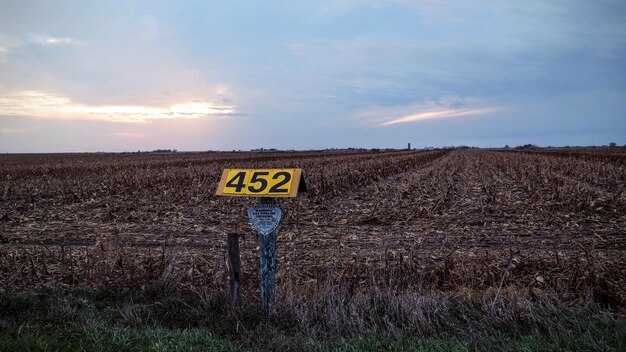
Approve direct payments tied to documented losses and adjust premium subsidies immediately; these actions buy time for planting and harvest, and they supply the cash needed to keep seed orders, equipment payments and payroll current. Prioritize producers facing the largest tariff disruptions – wheat and specialty grain growers, wine grape producers and small family operations – so program dollars flow to those most at risk of foreclosure.
Tie funds to measurable benchmarks and a legan review of eligibility to prevent misuse, and verify payments reach them with basic audits. Require documentation of lost contracts, price declines and storage backlogs so administrators can determine whether aid reduces bankruptcies and preserves processing capacity. Pair direct aid with low-interest credit and cost-share grants for value-added work that could expand domestic demand, including small wineries and spirits distillers.
Design programs as short term bridge measures with sunset clauses and public reporting: publish recipient lists, acreage, payout totals and outcome metrics quarterly so communities concerned about fairness can monitor results. Scale assistance by objective triggers tied to export volume and domestic price floors rather than open-ended commitments; this approach seems to limit moral hazard while keeping operations afloat. Ther es a narrow window ahead to act decisively; link relief to clear exit rules so families and processors can plan beyond the emergency period.
Bailout Program Details and Eligibility
지금 지원하세요: make sure you meet eligibility tests and file required forms at your county office within 30 days to secure initial payments.
Eligibility covers individual operators, family farms and producer group entities that show documented production losses tied to tariff impacts. Farms qualify if they report planted acres, sales losses and adjusted gross income under program thresholds; provide FSA farm numbers, planting reports and tax records. Growers love clear checklists: list every crop, acreage and sales line so reviewers can verify losses quickly.
Payments began in spring 2018 and have continued since the first round; the program distributed roughly $12 billion in initial rounds, with subsequent rounds raising concerns on caps. A congressional committee raised questions as rising payments pushed some operations above income limits. Typical payment caps run roughly $125,000 per person and $250,000 per entity; confirm your status early to avoid being excluded.
Take three practical steps: 1) gather production and tax records now, 2) move to submit complete forms rather than partials, and 3) request a legan review for complex ownership that could affect eligibility. If you dont meet a deadline, contact your county FSA immediately – late fixes are possible but reduce chances of full consideration.
Expect payments in staged disbursements; use initial payments as targeted stimulus for cash-flow needs such as seed, fertilizer and short-term loans. Allocate funds to cover operating risk and to help your operation survive years of market pressure while you grow your market options. Track distributions and reconcile payments fully so future applications reflect accurate receipts and do not jeopardize eligibility.
Which crops and livestock qualify for payments
Apply for payments if you grow soybeans, corn, wheat, cotton or sorghum, or if you raise cattle, hogs or dairy–the programs target those commodities and animals most exposed to tariff disruptions and export losses.
Federal rounds focused on the biggest crop groups: soybeans and corn received the most direct support, with cotton and wheat also eligible. Payments intend to cover a portion of market loss; eligible producers received roughly 10–20 percent of estimated revenue shortfalls depending on the commodity and program round, measured as a percent of the shortfall from pre-tariff baseline prices. If you grow specialty crops, check program memos: some specialty producers qualified under separate supplemental buckets rather than the primary per-acre rounds.
Livestock support covered dairy, hogs and certain cattle operations. Dairy payments used per-hundredweight adjustments tied to milk price declines; hog support came as per-head or per-sow payments for farmers who experienced market disruptions. Cattle assistance targeted feeder and stocker losses but applied only in limited categories and payment rounds. Producers who purchased feed or livestock late in the season should document those expenses; payments adjusted for input costs when applicable.
Eligibility required enrollment with FSA, production evidence, and sales records. Provide acreage reports, production summaries and receipts showing commodities purchased or sold during the relevant marketing year; programs disallowed double payments where crop insurance indemnities covered the same loss. A producer group or family operation must nominate a single recipient for direct payments to avoid duplicate claims.
After a roundtable announcement, director michael legan and other officials laid out documentation expectations and timelines; farmers concerned about filing deadlines should contact their county office immediately. Local extension agents such as justin or county directors can help assemble records and calculate estimated payment amounts. The administration’s stimulus moves, led in public by donald’s trade decisions, drove these payments as short-term relief providing needed cash to offset immediate loss and reduce near-term risks to planting decisions.
How individual payments are calculated and capped
Calculate your payment now: multiply the published per-unit rate by your eligible acres or bushels, apply the county adjustment factor, then reduce the result if it exceeds the statutory cap for individuals or for the farming operation.
Determine eligible units from FSA acreage reports and sales records: for crops use harvested bushels or planted acres; for beef and other livestock use inventory or head-count dates specified in the program. Growers should use the same production year the program references – many programs use the most recent completed year – and document totals at the county office.
Apply this formula: Payment = Rate ($/bu or $/acre or $/head) × Eligible units × County factor. Example: if the program rate for soybeans is $1.65/bu, you have 5,000 bu, and your county factor is 0.9, your preliminary payment equals $1.65×5,000×0.9 = $7,425. If you have beef losses measured by head and a separate per-head rate, calculate that line separately and add before applying caps.
Expect a two-tier cap: a per-individual payment limit and a higher cap per operation or tax entity. Under the current bill structure the individual cap stands at $250,000 and the operation cap at $500,000; program administrators subtract earlier emergency aid from those totals so aggregate receipts arent allowed to exceed the statutory ceilings. If your combined preliminary payments exceed the cap, the agency prorates down proportionally across eligible commodities and livestock.
Document every step: file legan paperwork, county FSA certifications, bank deposit slips and sales contracts so auditors can verify acres, bushels and head counts. If you run multiple operations, register each tax entity separately and keep payroll and ownership records that show who has control; the agency uses those records to determine whether caps apply at the individual or operation level.
Watch for policy adjustments tied to tariffs and White House announcements: lawmakers such as hansen, justin, chris and love have pushed for larger relief and the bill authorizes billions in payments, but many elements remain temporary and subject to legal or budget changes. That means payments may be prorated down if funding runs short, so factor a conservative estimate into cash flow plans rather than assuming full advertised amounts.
Practical steps to protect your payout: confirm county factor and rate with your local office before submitting, tally all eligible units across crops and beef operations so you don’t leave small entitlements unclaimed, and keep a little reserve in the bank because administrative delays and appeals can push funds down the calendar. If you’re losing ground financially, reallocate expenses to core operations to keep farms stable while legal and policy efforts continue.
Application process: forms, deadlines, and documentation
Submit the specified application forms (example: CCC-910 and AD-2047) with itemized receipts for goods, proof of sale and acreage statements by february 28; late packets move to an alternate queue and then face a 30–60 day delay.
Include these documents: invoices, bank deposits showing receipts for goods, tax returns, production reports, weight tickets, purchase orders and delivery confirmations; include a sponsor letter when a third party certifies numbers. Attach established accounting entries and recent market reports, and send scans immediately while retaining originals so the committee can request them.
The review committee meets the first Tuesday after the window in room 321; the director signs final award letters within 10 business days of that meeting. smith says turnaround varies by caseload, and legan says appeals must arrive within 14 calendar days. Flaig, part of the audit staff, reports recent reviews have seen invoice mismatches; applicants facing disputes should supply original bills, then clear transit receipts.
If you qualify, winners receive electronic payment instructions; losing applicants receive a deficiency memo that lists missing documentation and corrective steps. Instead of re‑filing the full packet, submit only the corrected pages the committee flagged, include a cover letter that explains changes, and certify their accuracy. Maybe add a notarized affidavit for contested quantities or prices in the deal file.
Look at the agency checklist (page 3) and number each document to match the form index; place one paper copy in the intake room 210 if requested and upload PDFs to the portal. Those who felt rushed should prioritize proof of sale and bank deposits, then complete production estimates. Keep originals accessible and provide them on request; theres no acceptable substitute for clear chain‑of‑custody documentation. Contact the director or the appeals coordinator for specific questions – smith and legan staff field most inquiries during the open window.
Tax treatment and reporting requirements for bailout funds
Report bailout payments as taxable income on your federal return unless the funding is a documented loan or an equity contribution; adjust basis for inventory and depreciable assets and pay estimated tax to avoid penalties.
- Classification: Grants, direct payments and most relief transfers are treated as gross income for tax purposes; loans are not income until forgiven, and forgiven debt typically creates cancellation-of-debt income (Form 1099‑C). Funds labeled as capital or equity contributed to the business will not be taxed as income but must be reflected in ownership basis and balance sheets.
- Where to report: Sole proprietors and farmers report on Schedule F (Form 1040); partnerships use Form 1065 and K‑1s; C corporations include funds in corporate gross income. If the payment reimburses expenses you already deducted, include the reimbursement in income or reduce the expense deduction/basis as required.
- Common forms and timing: Expect payors to issue 1099‑MISC, 1099‑G or 1099‑C by January 31. If you filed an extension, individual returns fall due in october (typically October 15). Make quarterly estimated payments (Apr, Jun, Sep, Jan) when the bailout increases your projected tax liability.
- State tax: State treatment varies; many states follow federal rules but some tax certain relief differently. Thousands of people asked state departments and felt surprised by state bills – check your state revenue website and get a written determination if your situation looks ambiguous.
- Basis and inventory adjustments: If funds contributed to seed, fertilizer or other inventory costs, reduce cost of goods sold or adjust ending inventory and basis. If funds bought equipment, add to depreciable basis; if a loan financed the purchase and was later forgiven, treat the forgiveness as income and adjust basis accordingly.
- Payroll and withholding: If bailout money subsidizes payroll, treat wages and employer taxes per normal rules; the business will remain responsible for payroll tax deposits unless a specific payroll exemption is documented.
- Documentation you must keep: For every payment, save the payor name, payment date, amount, written purpose, bank deposit evidence, and ledger entries showing how funds contributed to business or equity. Heres a practical checklist further down.
- Audit metrics: Track clear metrics the IRS will use in an audit: revenue by crop or product, acres planted, yields, prices received, and cash-flow statements that show how the funds changed your position in the markets. The IRS says contemporaneous records reduce audit risk.
- Impact on debt and equity: Document whether funds paid down debt, added working capital, or increased owner equity. Lenders and co‑owners will expect transparency about how bailout funds contributed to the business balance sheet and to every owner’s equity share.
- Special populations: Programs promised to younger or disadvantaged farmers may carry program-specific reporting rules; verify with the program administrator and get written confirmation of any special tax treatment.
Concrete examples and numbers:
- If a farmer receives $25,000 labeled a relief payment and no loan documents exist, include $25,000 in gross receipts on Schedule F and increase estimated tax payments to cover the marginal tax and self‑employment tax impact.
- If you received $10,000 that reimbursed a $10,000 expense you already deducted, include $10,000 as income or reduce basis for the asset associated with that expense.
- If a $50,000 loan is later forgiven, expect to report cancellation-of-debt income of $50,000 unless an exclusion applies; request Form 1099‑C from the lender and consult a tax advisor about insolvency or bankruptcy exceptions.
Action checklist – paperwork and deadlines:
- Collect payor documentation and 1099s as soon as received.
- Record how each dollar contributed to operations, capital purchases, debt paydown or owner equity.
- Adjust inventory and asset basis in your accounting records.
- Increase quarterly estimated payments when projected tax liability rises.
- Ask your CPA about loan forgiveness exclusions, state differences, and whether to file amended returns if prior years need correction because funds were contributed or used differently than reported.
Context note: press coverage from getty and white showed thousands of people and small businesses reacting to market shifts; one metric showed that many farmers added relief proceeds to working capital and the effort helped some survive a down season. A business owner asked how the bailout would affect equity; a local adviser says document every use and consult counsel about long‑term position in the markets.
If you want a tailored checklist for your farm – include entity type, dollar amounts received, and whether funds were a loan or grant – I will draft specific journal entries, estimated tax calculations, and sample language to share with your accountant.
Short-Term Farm Management Decisions
Lock 30–40% of expected grain sales within 45 days to protect cash flow and reduce price risk; target specific delivery windows to meet storage capacity and contract terms.
- Marketing: Set price targets by crop and lot. If local basis is stronger than futures by $0.05–$0.10/bu, sell in 25–75 ton increments until you reach the 30–40% hedge. Track bids daily – prices seen dropping 6–8% since tariffs hit some export channels recently.
- Storage and handling: Move high-moisture loads into aerated bins and dry to safe storage levels within 72 hours; one medium-size farm stores 150–300 tons on-farm and frees elevator space at peak season.
- Input purchases: Delay nonessential input orders and buy only what meets immediate planting needs; reduce seed and fertilizer orders by 10–20% where soil tests show sufficient nutrients under current yields.
- Soil and field choices: Shift marginal acres to cover crops or short-season varieties to lower seed and fuel outlays; allocate ground with >10% erosion risk to conservation to avoid additional repair costs.
- Cash flow and financing: Recast 90-day cash flow with conservative price assumptions and ask lenders for 60–90 day extensions if working capital runs tight; national programs and local lenders have short-term options available for producers who document revenue loss.
- Government programs and assistance: Apply for emergency assistance and signup windows immediately; file paperwork to meet county FSA deadlines and prepare receipts to qualify for any national aid disbursements. Assistance that helps cover fixed costs will usually require production reports and sales records.
- Market focus: Diversify buyers – dont rely solely on one exporter. Chinese demand has declined in some commodities, while demand from other parts of the americas and domestic processors has been steadier; allocate sales across at least three buyers when possible.
- Equipment and labor: Postpone noncritical equipment purchases, perform preventive maintenance now to avoid harvest breakdowns, and redistribute labor to peak operations to reduce overtime costs.
- Risk management: Buy short-duration crop insurance where available to cover revenue gaps, and use put options selectively to set a floor beneath a percentage of your expected sales.
Talk with extension agents (example: hudson county extension) and trusted grain merchandisers – talking early helps identify additional buyers and logistics; include neighbor cooperatives when negotiating truck space and shared drying capacity. Use clear documentation so any national relief or private assistance programs process claims quickly.
- Quantify losses: List bushels, tons in storage, and contracted volumes under current prices to create a rapid claims packet.
- Prioritize expenses: Pay payroll and critical utilities first, then service high-interest debt.
- Execute sales: Target specific lift dates that meet contract terms and reduce storage exposure during months when demand historically dips.
Share market imagery and weekly position reports (credit getty-style photos or local images) with partners to keep everyone aligned. Small, measurable steps will stabilize operations and buy time while broader policy discussions address longer-term shocks to agriculture demand.
Should I change this season’s planting mix because of the bailout?
No – dont change this season’s planting mix solely because of the bailout; use the aid as a buffer while you base planting decisions on field-level returns, rotation needs and input budgets.
The national bailout package is roughly $12 billion and offers cost-sharing and direct-payment elements that vary by county and program year. USDA expects program payments to cover only a portion of price losses: for many growers affected by Trump’s trade actions the supplemental checks have typically added tens of dollars per acre, not full replacement of market revenue. Treat those dollars as temporary additional cash, not a permanent price floor.
Concrete decision rules I recommend: if an alternate crop improves your expected net margin (market price plus expected bailout payment minus additional cost) by at least $40–$60 per acre and preserves rotation or soil health goals, pick that shift. If the bailout contribution is smaller than the margin gap or forces you to increase long‑term input budget or risk pest/disease pressure in the field, dont switch. For many midwestern corn/soy operations the margin gap between corn and soy after inputs will be larger than typical one‑year bailout checks.
Plan by farm size and cash flow: small, rural operations with tight liquidity should use bailout funds to shore up operating lines and seed/pest budgets; larger farms can consider marginal acreage moves if three conditions are met – (1) local basis moves ahead enough to raise expected market revenue, (2) cost of additional seed/fertilizer is recovered within the season, and (3) rotation or cover‑crop constraints arent violated. Growers near hudson, minnesota and similar areas reported that local basis swings mattered more than the headline national payment.
Run a short spreadsheet for each field: start with expected yield and market price, add the county-level bailout estimate, subtract additional production cost for the alternative crop, then compare to your baseline crop margin. If the net gain per acre is positive and exceeds your risk premium (I recommend 10% of expected gross revenue for most farms), consider switching that specific block ahead of planting.
| Scenario | Acres shifted | Estimated bailout added ($/acre) | Additional cost ($/acre) | Net change ($/acre) | Net change (total $) |
|---|---|---|---|---|---|
| 변경 없음 | 0 | roughly 0 | 0 | 0 | 0 |
| Shift 50 acres to corn (example) | 50 | 30 | 60 | -30 | -1,500 |
| Shift 50 acres to soy (example) | 50 | 50 | 25 | 25 | 1,250 |
| Targeted 10% high‑return fields | 100 (on 1,000 total) | 40 | 20 | 20 | 2,000 |
Use the table as a model: craft your own numbers into the template using county bailout estimates and your actual input costs. Consider non‑financial impacts, including rotation, soil health and labor: winners from a one‑year bailout arent guaranteed in price or policy years ahead, and those factors affect farm lives beyond cash in hand. If you need help populating the spreadsheet, extension agents in minnesota and nearby rural offices can provide county payment estimates and local basis data that will make the examples fully actionable.
Using bailout money to cover operating loans: pros and cons

Limit bailout money applied to operating loans to a single-year cap of 25% of documented operating debt and a per-farm ceiling of $75,000; provide funds only after lenders certify short-term need, require lender sign-off within 30 days, and include a three-year clawback if income rebounds.
Pros: This policy gives immediate liquidity, stopping foreclosures and allowing producers to cover payroll and inputs for roughly three months for a median Midwest row-crop operation; it stabilizes lender networks and keeps tons of grain moving through processors and co-ops in agriculture. Emergency loan coverage can blunt abrupt price shocks that affected exporters last year and keep supply chains going so processors do not cancel contracts with them.
Cons: Using bailout dollars for loan repayment creates moral hazard and wont address structural demand loss; it doesnt fix oversupply when farms raised acreage despite lower prices and simply shifts risk back to taxpayers. Industry groups and some in the committee raised concerns that such payments reward short-term fixes, undermine established risk-management programs, and leave less funding for targeted technical assistance or conservation work promised in policy discussions. Many think the quick payouts, one analyst says, reflect a political position more than a durable market solution.
Operational rules I recommend: tie eligibility to documented revenue decline (threshold 15–20% year-over-year), limit coverage to operating credit only (no principal reduction on long-term real-estate loans), require quarterly reporting and a public dashboard updated in real time, mandate independent audit trails, and prioritize independent family farms over vertical corporate operations. These steps reduce cost, focus effort on producers truly going under, and provide clear data on what the assistance buys.
Deploy a 12-month pilot with clear metrics – default rates, acreage shifts, net income change per farm – and a scheduled review by the Agriculture committee at 6 and 12 months so policymakers can see what works. Trumps-era interventions produced mixed signals about effectiveness (источник: agency reports); measure returns before making the position permanent, be explicit about what taxpayers were promised and what wont be repeated, and use pilot results to decide whether funds should move toward price supports or longer-term programs overall.