


 한국어
한국어  English (UK)
  Русский
  العربية
  日本語
日本語  Magyar
  Türkçe
  Español
  Čeština
  Svenska
  Português
  Ελληνικά
  Suomi
Suomi  Nederlands
  Română
  Italiano
  Français
  Polski
  Українська
  Deutsch
  简体中文
简体中文  Slovenčina

Recommendation: Integrate Roadie’s platform to deliver items to customers’ doorsteps within 24 hours, expanding Home Depot’s reach and freeing store space for in-store work.
In the initial pilots across six metro areas, Home Depot cut last-mile costs by about 15% and achieved on-time deliv in 92% of cases within the first week, with CSAT rising from 4.2 to 4.6 over a month. The approach relied on a larger network of drivers who can pick up and drop off directly at doorsteps, reducing in-store congestion and enabling more flexible scheduling during peak week. walmart ran a similar pilot with gains in last-mile speed, reinforcing the model’s scalability across firms that juggle home delivery needs.
How the platform adds value: Roadie taps a national network of drivers who extend coverage to doorsteps that stores alone can’t reach, turning small items into deliv opportunities rather than backlogs. The system routes orders to the closest drivers, enabling faster service and reducing the space constraint of crowded aisles. For items that fit under 75 pounds and travel within 50 miles, the approach can replace a portion of store pickup with home delivery, giving customers a better sense of progress and convenience while letting staff focus on larger, more complex work.
Implementation playbook for week 1-4: define routing thresholds (order weight, distance), configure SLAs (on-time deliv) and notifications, align with order management to reroute eligible orders automatically, and train drivers on home-access rules. Establish a clear customer-communication template to keep people informed and reduce phone calls. Track metrics such as on-time deliv rate, average delivery time, cost per deliv, and rate of successful deliveries, with weekly reviews to adjust the model and grow the number of doorsteps covered.
The result is a practical shift from purely space-driven constraints to a connected road network that teams can rely on. Teams see stories from customers who appreciate the speed and reliability, and the business gains a more resilient, week-by-week delivery engine. By leaning into Roadie’s platform, Home Depot can scale without compromising safety or control, helping to meet rising demand while keeping costs in check and home improvements moving forward.
Home Depot backs Roadie: A Crowdsourced Delivery Startup – Practical Guide
Recommendation: launch a 12-week pilot in three urban markets to move loads via Roadie, measure time-to-destination, and verify profitable margins.
- Pilot scope: near depots in strategic CBD and suburban corridors; target loads from the depot that feed same-day and next-day delivery needs, with emphasis on heavy DIY items and accessory kits; also include only the items that fit Roadie’s last-mile model.
- Operational setup: assign road drivers for last mile to destination; consolidate trips to maximize space and load efficiency; coordinate with the store chain and suppliers to align on timing and inventory needs.
- Metrics and targets: track loads per week, deliveries per driver, on-time rate, cost per mile, and gross margin; aim to exceed the profitable threshold; Using Roadie means faster fulfillment and fewer touchpoints for customers; Monitor supply fluctuations and adjust capacity to avoid gaps; provide stakeholders with a clear sense of progress.
- Data and tech: Using Roadie’s app, integrate Home Depot’s order feed for just-in-time visibility; provide real-time updates to customers; these data help adjust routing and expectations while giving a sense of certainty for store teams and shoppers.
- Partnership network: include Walmart and other suppliers; these larger partners add volume and reduce per-delivery cost, improving the game for everyone and expanding the network beyond the initial three markets; their involvement reinforces the case for scale across the chain.
- Risk and compliance: insurance coverage, driver safety training, theft protection, and contingency routing for weather or traffic; establish clear escalation paths so issues don’t derail schedules.
- Scale plan: if the week-by-week results look solid, expand to more stores and larger items; this could bring a million dollars in annual revenue and more loads handled by the same network; Home Depot has said the plan has potential to reshape shopper experience across the chain.
Implementation steps
- Map lanes and define which items qualify for Roadie delivery; set space constraints and packaging standards so items stay secure in transport; ensure items are tested for durability in the road environment.
- Onboard drivers and set incentives tied to on-time delivery and customer feedback; establish a help channel for issues to keep flow smooth and responsive.
- Integrate IT feeds and test end-to-end visibility; ensure near real-time updates for staff and customers alike.
- Run the 12-week pilot, review weekly results, share learnings with stakeholders, and adjust the plan with the roadmap to broader deployment.
Outcome guidance: if the data show a faster, cheaper, and more reliable option than traditional courier means, Home Depot can scale quickly; those stories from pilots translate into a stronger bid with suppliers and store managers. If results are more profitable than current options, the initiative becomes a strategic lever for growth across the chain.
Roadie-Powered Home Depot Delivery: Actionable Plan for Retail Partnerships
Launch a 12-week pilot in 40 stores to test Roadie deliv from depot to doorsteps, moving loads with 2-hour windows, real-time tracking, and a plan to beat current delivery speeds for top SKUs.
Assign a single platform owner in each region, route orders to Roadie drivers, and reserve depot space for pickup. Said by the ops lead, this plan keeps hustling teams aligned with their work and supports the approach that relies on store associates. Set SLA targets, standardize pickup windows, and publish week KPIs to monitor performance.
Prioritize loads that deliver value to customers, especially bulky or high-turnover items. Use near-destination routing to reduce time and maximize people on the road. This approach reduces miles near peak hours and keeps drivers productive. These steps help startups as well as firms to realize more revenue, and the supply side avoids bottlenecks at the depot to keep customers happy.
Track latest week performance, forecast throughput, and estimate potential million in incremental revenue if we scale to 100 stores. If needed, add more drivers and space to handle peak loads, while maintaining service levels beyond the same benchmarks achieved by other firms.
Customer experience improves with proactive status updates, doorstep delivery, flexible windows, and a simple returns process. The platform supports both direct-to-consumer and B2B orders, helping supply to customers even when items are scarce in stores.
Partner with walmart and other firms on a phased rollout using the Roadie platform, with a focus on depot-to-doorstep efficiency, destination-specific routing, and a scalable model that works for people in stores as well as for home deliveries. These pilots will create mutual value by reducing costs, increasing loads moved, and boosting customer satisfaction. This keeps the game competitive against incumbents.
What Roadie is and how the crowdsourced model works for Home Depot
Adopt Roadie for time-critical deliveries from Home Depot: run a one-week pilot in six major markets, focusing on loads that require fast service to customers in nearby cities. This approach can boost customer satisfaction and reduce last-mile costs, while those drivers on the platform gain flexible work and steady loads.
Roadie is a crowdsourced platform that connects drivers with retailers to move items from depot to home. Drivers use their own vehicles and hit the road to pick up tasks posted by Home Depot, which details pickup locations, time windows, and routing needs. The supply side expands instantly in dense markets, letting the chain of deliveries scale without fixed fleets.
For Home Depot, stores act as a depot hub. Roadie posts delivery jobs with pickup windows; drivers claim tasks that fit their routes, then complete the deliv to customers with real-time updates from the app. A Home Depot spokesperson said the model extends reach without tying up store space.
Customers experience faster, more predictable delivery windows, and the platform can be more profitable than traditional options in many markets. The approach also helps shrink last-mile costs in dense cities and near suburbs, while those drivers have clearer guidance and steady loads. This is not the only path for Home Depot to move goods; combining Roadie with traditional fleets can maximize coverage.
Stories from those hustling on the platform show how a single route in a city can serve multiple loads in a day. These stories highlight how drivers balance time, fuel, and routing, turning a chunk of the day into steady work. walmart backing signals scale, and the Home Depot tie-in adds credibility and reach that also helps other firms explore similar crowdsourced models.
Metrics to watch include time-to-delivery, on-time rate, cost per mile, and driver utilization. The best practice is to set city-specific SLAs, maintain chain-of-custody, and require drivers to present proof of delivery at hand-off. This reduces deliv risk and strengthens customer trust, while also giving managers a clear sense of performance and return on effort.
Those benefits show Roadie as a flexible extension of Home Depot’s supply chain: more cities, faster turnaround for many items, and stronger service for customers who want quick options and predictable windows. The game here favors speed, reliability, and scalable loads with drivers who hustle to deliver, making Roadie a valuable complement to depot-based logistics.
Impact on suppliers and customers from Home Depot’s backing
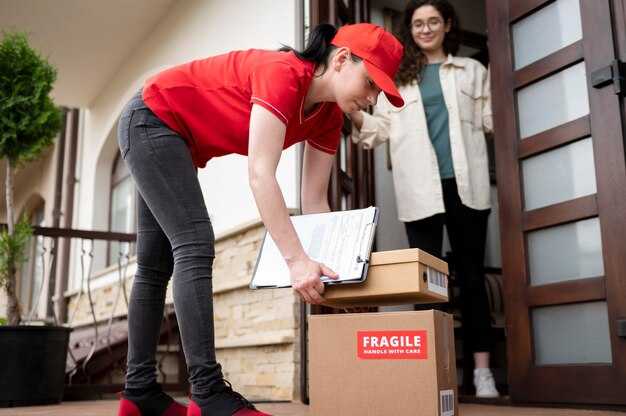
Adopt a tiered supplier onboarding plan that prioritizes needed SKUs and near-depot pickups to cut delivery times and lift shelf availability for customers.
Suppliers gain from more predictable loads and faster cash flow. In the latest quarter, partner count grew from 380 to 1,300 active suppliers, moving over 2.5 million loads through Roadie’s platform. By coordinating pickups at depot hubs and lining up fixed delivery windows, deliveries shift from 72 hours to 24–48 hours for core categories. These changes reduce stockouts at stores and increase product availability at doorsteps for customers. Stories from steady vendors show smaller players moving items from regional hubs to destination addresses with less manual work, enabling these suppliers to plan better and have more margin for pricing, while serving local markets. This changes the game for suppliers by delivering faster feedback and flexible capacity, boosting overall throughput across these networks.
Customers benefit from speed, visibility, and options. In the latest data, about 40% of orders now ship from stores within 20 miles of the destination, expanding reach to more customers, especially in suburbs and towns near urban centers. Average delivery time for last-mile runs drops to under 48 hours in most markets, and about 15% of orders arrive the same day in pilot cities. The platform provides real-time updates, transparent ETA, and smooth communication, helping people track shipments from depot to doorstep. These improvements also raise trust and satisfaction, with more than a million customers using Roadie-enabled routes and reporting repeat visits. Walmart has similar pilots in play, and Home Depot’s backing gives these efforts a head start in near-term delivery, keeping items moving to destination faster.
Platform and execution tips for suppliers and stores: set clear SLAs, require standardized packaging, and build a shared dashboard so suppliers see live status from pickup at the depot to destination. Align incentives for drivers to prioritize high-demand items, and use routing loads to balance supply across regions. Also, track metrics like on-time delivery, failed pickups, and average dwell time; share the insights with suppliers to help them plan more effectively. These actions sustain growth and keep costs predictable while expanding the number of customers reached, especially in high-traffic corridors near major depots.
Bottom line: backing from Home Depot accelerates the cadence of delivery for these startups, and the impact on suppliers and customers centers on faster, more reliable service with a broader reach; the latest data show loads moving more efficiently with a platform that connects people, depots, and destinations in a tight loop. This makes it easier for suppliers to reach new markets and helps customers discover items they need at doorsteps and in-store pickup options, too. The same approach could be extended to other big-box players, including Walmart, to create a more resilient, near-term delivery network where millions of items reach destination faster and with fewer trips to stores for customers, who appreciate reliable service and straightforward checkout.
Pricing, costs, and anticipated ROI for retailers
Recommendation: Set a two-tier pricing model with a small platform fee per delivery plus a distance-based charge, and pilot an Express option for faster destination deliveries. Start the test in 3-5 cities near a depot, especially where customers expect quick service. This gives startups and larger chains a predictable cost base, also enabling finance teams to forecast cash flow, while road drivers hustling and driving to doorsteps. Use this model only as a starter and refine it as you gather actual delivery patterns.
가격 구성 요소는 기본 플랫폼 요금, 마일당 요금, 선택 사항인 익스프레스 추가 요금을 포함합니다. 실질적인 시작점: 기본 $2.50-3.50 배달 건당, 추가 $0.60-0.90 마일 당; 익스프레스 추가 $3-6 거리 및 배송 시간대에 따라 달라집니다. 이러한 수치는 도시 밀도, 매장 인근 공간, 목적지까지의 거리에 따라 달라집니다. 월마트 및 기타 체인 파트너는 대개 소규모로 시작하여 물량이 증가함에 따라 확장합니다. 이 프레임워크는 보편적인 규칙이 아닌 파일럿으로 작동하며, 지역 수요를 반영하는 각 시장에 맞게 조정해야 합니다.
ROI는 더 낮은 라스트마일 비용, 더 높은 정시 배송률, 그리고 향상된 고객 참여도에 의해 견인됩니다. 이러한 결과는 다음과 같이 나타납니다. 18-28% 기존 운송 업체 대비 라스트마일 지출 절감 및 1-3% 속도가 중요한 경우 장바구니 전환율 증가 및 평균 주문 금액의 소폭 증가. 약 월 1만 건 주문, 연간 절감액은 $300k-$500k, 온보딩 비용 상환 조건으로 6-12 months. 운영자들은 정시 운행률이 향상되고 배송 누락이 줄었다고 밝혔으며, 고객들은 도시 도로 통로의 집 앞에 배송이 도착했다는 이야기를 공유했습니다. 이러한 도시의 도로망과 활발한 운전자 풀은 대형 체인에서도 동일한 결과를 반복할 수 있도록 합니다. 운전자와 돈을 벌기 위해 노력하는 사람들에게 이는 예측 가능한 업무 패턴을 만들어냅니다.
ROI 최적화를 위해, 밀도가 혼합된 3~5개 도시와 목적지 유형(가정, 비즈니스, 창고 픽업)이 혼합된 곳에서 90일간의 파일럿 프로그램을 운영합니다. 정시 배송률, 배송 시간 준수율, 반품률과 더불어 고객 피드백을 추적합니다. 해당 지표를 사용하여 요율표를 조정하고 익스프레스 배송 시간을 조절합니다. 운전자가 정확한 목적지를 확인하고 직원이 창고에서 공간 및 픽업을 관리할 수 있도록 매장 시스템과 통합합니다. 배송당 비용, 이행 속도, 특히 피크 시간대의 운전자 참여율을 측정합니다.
Roadie를 Home Depot 시스템 및 워크플로우에 통합
Roadie와 Home Depot의 주문 관리 및 ERP를 연결하는 통합 API 게이트웨이를 구현하여 체인 전반에서 실시간 상태 업데이트를 가능하게 하고, 더 빠른 의사 결정 주기를 유도하며, 이러한 시스템에 필요한 최신 표준을 준수합니다.
이러한 시스템의 맵 데이터를 단일 플랫폼으로 통합하여 창고 및 매장의 팀들이 공급 및 배송을 보다 효율적으로 조율할 수 있도록 지원합니다. 이러한 접근 방식은 Roadie와 Home Depot의 워크플로를 일치시켜 중복을 줄이고 여정의 모든 단계에서 양측의 가시성을 높입니다.
주요 이벤트(orderCreated, picked, inTransit, delivered)에 대해 웹훅을 사용하여 이벤트 중심 접근 방식을 채택합니다. 이를 통해 고객은 문 앞에서 진행 상황을 추적하고 운전자는 동일 주 목표를 달성하기 위해 노력하는 동시에 플랫폼은 지속적인 업데이트를 제공하여 지연을 최소화할 수 있습니다.
소수의 창고를 포함하는 단기 시장에서 일주일간의 파일럿 테스트를 실행합니다. 파트너 네트워크 내의 이러한 회사 및 스타트업을 참여시켜 SLA, 데이터 정확성 및 최종 사용자 경험(특히 촉박한 일정의 대량 주택 개량 품목의 경우)을 검증합니다.
보안 및 거버넌스를 최우선으로 유지합니다. OAuth 2.0, RBAC 및 토큰 순환을 적용하고 명확한 데이터 보존 규칙을 설정합니다. 고객이나 직원에게 민감한 세부 정보를 노출하지 않고 라우팅, 운전자 배정 및 배송 시간을 개선하기 위해 매주 백만 개의 데이터 포인트를 수집하고 분석합니다.
| Step | Owner | SLA | 참고 |
|---|---|---|---|
| 데이터 모델 정렬 | 플랫폼 & IT | 2주 | SKU, 위치, Roadie 운전자 프로필을 홈 디포 시스템에 매핑하고, 방문 배송 단계를 위해 데포 근처에 운전자를 배치합니다. |
| API 엔드포인트 및 웹훅 | 통합 및 DevOps | 1 week | orderCreated, picked, inTransit, delivered 엔드포인트를 생성하고 최신 ERP 이벤트에 연결하십시오. |
| 라우팅 및 운전자 배정 | Ops & Roadie | 3 weeks | 더 큰 Roadie 네트워크에서 원활한 드라이버 매칭을 지원하고, 문 앞 배송 품목을 우선적으로 처리합니다. |
| 보안 및 액세스 거버넌스 | 보안 및 규정 준수 | Ongoing | RBAC(역할 기반 접근 제어), 감사 추적, 토큰 정책을 구현하고 필요한 팀에게만 데이터 접근을 제한합니다. |
| 파일럿 배포 & 모니터링 | PM & 애널리틱스 | 4주 | 2~3개 지역에서 테스트; 정시 배송, 운전자 활용률, 고객에게 보이는 업데이트 추적 |
크라우드 딜리버리에서의 품질 관리, 규정 준수 및 위험 관리
플랫폼 전반에 걸쳐 표준화되고 감사 가능한 품질 검사 프로토콜 구현: 필수 신원 확인, 차량 검사, 모든 픽업 및 하차 시 배송 체크리스트. 적시 검사를 프로토콜의 일부로 포함하여 문제가 고객에게 영향을 미치기 전에 포착해야 합니다.
운전 패턴, 교통 혼잡 예상 지점, 시간대, 목적지의 중요도, 동일 경로 내 배송 건수를 기준으로 각 배송 건에 대한 위험 점수를 부여하는 위험 모델을 구축합니다. 이 점수를 통해 위험도가 높은 도시에서 수동 검사의 우선순위를 정하고, 지연 발생 전에 필요한 조치가 이루어지도록 합니다.
준수 프로그램은 고객 데이터 프라이버시, 운전자 동의, 안전 포장, 그리고 문 앞 배송 증명을 포괄합니다. 플랫폼의 보안 공간에 데이터를 저장하고 업무상 필요가 있는 사람으로만 접근을 제한합니다.
보관 이력: 타임스탬프가 찍힌 사진, GPS 추적, 서명된 확인서, 픽업부터 목적지까지의 감사 가능한 로그를 사용하여 보관 이력을 보존합니다.
적재 처리 및 확인: 표준 적재 절차, 변조 방지 포장 및 명확한 라벨링을 시행하고, 적재물이 주문 및 고객 메모와 일치하는지 확인합니다.
도시별 통제: 더 엄격한 규칙 및 높은 집행력을 가진 도시에 대한 맞춤형 점검; 공개 데이터를 사용하여 규정 변경 사항을 반영하도록 분기별로 지침 업데이트.
운영 감독: 플래그된 이벤트를 검토할 전담팀을 고용하고, 자동화를 통해 해당 사례를 분류하고 필요한 경우 에스컬레이션합니다. 이 작업은 특히 여러 시장의 균형을 맞추는 관리자에게 집중력과 훈련을 요구합니다.
플랫폼 투명성: 고객 및 스타트업에 배송 성과 관련 주요 지표를 공개하고 개선을 이끄는 사례 및 교훈, 특히 최근 정책 변경 사항을 분석가들이 언급한 것처럼 공유합니다. 이러한 통찰력은 해당 팀이 더 빠르게 적응하도록 돕습니다.
지표: 딜리버리 1,000건당 사고 건수, 해결 시간, 고객 만족도, 반복 불만 사항 추적; 문제 발생을 기다리는 것보다 이러한 데이터 포인트를 활용하여 지속적인 개선을 추진하는 것이 더 합리적임.
로드맵: 스타트업과 대형 플랫폼은 체인 무결성, 리스크 통제, 그리고 인간 중심의 감독에 집중함으로써 리스크를 줄이고, 분주한 도시와 도로에서 배송 리듬을 유지할 수 있습니다.