


 한국어
한국어  English (UK)
  Русский
  العربية
  日本語
日本語  Magyar
  Türkçe
  Español
  Čeština
  Svenska
  Português
  Ελληνικά
  Suomi
Suomi  Nederlands
  Română
  Italiano
  Français
  Polski
  Українська
  Deutsch
  简体中文
简体中文  Slovenčina

Expand Delivery from Store to 100 markets this quarter to accelerate ecommerce fulfillment and improve customer satisfaction. Use software 에 활용하다 store stock as micro-fulfillment and align workflows across store teams, carriers, and customers to cut delivery times.
The company unveiled a set of 옵션 to shorten cycles: Delivery from Store, Buy Online, Pick Up In Store (BOPIS), and on-demand small-parcel delivery through partnerships. These choices reduce handoffs and improve accuracy, with orders often dispatched the same day in metro zones.
Constant data-driven improvements power these workflows. The company uses integrated software to track 구매 patterns, forecast demand, and adapt routes in real time, enabling discounts for customers who choose less congested slots and accelerate delivery windows. This is what shoppers expect.
To replicate success, implement a two-tier routing approach, colocate micro-fulfillment within stores, and rely on a partner network to extend coverage. Build a 일정한 feedback loop and track on-time delivery rate, fulfillment accuracy, and customer satisfaction. Use automated workflows to reduce handoffs, and offer discounts for customers who reserve slots in advance.
Ahead, we expect deeper integration of purchasing with installation services, more granular ETA commitments, and ongoing tests of 옵션 to tailor deliveries by region. By adopting these moves, a company can accelerate service levels and keep customers informed with clear updates and trusted delivery windows.
Delivery Innovations at Home Depot
Invest in a unified model of last-mile delivery that links stores, distribution centers, and customers, and push real-time visibility across the network to reduce delays and improve reliability. Home Depot invested in this approach, designed to carry orders across a broader area with transportation options that continually optimize routes and load, reducing carbon.
- Unified model and network: A single model keeps stores, distribution centers, and external carriers aligned in a synchronized chain, designed to streamline fulfillment and help shorten lead times with real-time visibility across the network according to data from every node.
- Area-based pick and carry: Area-specific allocation guides pick teams and carriers to carry items to customers, reducing last-mile distance and improving accuracy.
- Utilizing data and ideas to optimize: Utilizing real-time data and ideas, the platform optimizes routes, dispatch, and carrier allocation, continually delivering faster service.
- Unveiled eco options: The program unveiled curbside, in-store pickup, and smart locker options that reduce trips and lower carbon emissions for deliveries and returns.
- Trends and greater expectations: Trends show customers demand speed and flexibility; Home Depot responds by expanding delivery windows and offering flexible, easier options, strengthening the brand through dependable service and ongoing efforts.
- Transport partnerships and network expansion: Home Depot invested in expanding the transportation network by partnering with trusted carriers and local couriers, a move that strengthens brand and diversifies the chain.
- Look at area coverage and optimization: Look to expand area coverage by adding micro-fulfillment at stores and optimizing routes, which accelerates pickup times and reduces handling.
What Delivery Options Accelerate Orders: Same-Day, Next-Day, and Window Delivery
Recommendation: Enable same-day delivery for high-velocity items in busy stores, pair next-day service for bulky or out-of-stock items, and offer precise window delivery to reduce wait times and improve predictability for customers.
These options, unveiled in pilot programs across markets, demonstrate how a data-driven strategy can speed fulfillment while balancing cost. By coordinating data, pick paths, and sorting flows with transportation partners, stores can deliver a seamless experience that meets customer expectations without overextending resources. The approach rests on investments in micro-fulfillment, routing software, and trained support teams within the program framework.
- Same-day delivery accelerates orders by tapping in-store stock and local couriers. Data from pilots across multiple stores shows 40–60% of eligible orders moved to delivery within the same day, while the rest convert to next-day when stock or routing constraints appear. This rapid option boosts customer satisfaction and reduces cart abandonment.
- Next-day delivery provides a reliable fallback for bulky, heavy, or out-of-stock items. It keeps the service cost-effective by batching sorting and transportation steps overnight, allowing stores to balance labor during quieter periods while still meeting customer expectations.
- Window delivery adds predictability with time slots that align to customer routines. By offering 2–4 hour windows, stores minimize failed deliveries and support smoother sorting and transportation planning, especially during busy afternoons.
- Data-driven eligibility and routing ensure comparability across stores. Within each market, teams analyze product weight, size, and inventory signals to decide which items cater to same-day, which go next-day, and which require a window slot. This approach helps managers maintain a consistent service level across the network.
- Kitchens and backrooms act as compact coordination hubs. These projects streamline the pick process, enabling rapid consolidation of items from multiple departments and quick handoffs to transportation partners, while stores stay responsible for accuracy and timeliness.
Implementation steps align with a practical program structure:
- Map inventory by store and item type to identify which SKUs are eligible for same-day or window delivery, and confirm stock accuracy in real time.
- Design a sorting and picking flow that minimizes travel between departments. Route picks to the most efficient courier handoff points and keep the process visible in the system for rapid status updates.
- Define clear cutoff times for same-day and window deliveries, and set expectations with customers through transparent time windows and proactive notifications.
- Partner with transportation providers to optimize routes, balancing speed with cost. Use data to schedule drivers so that busy periods remain manageable without sacrificing service quality.
- Pilot, measure, and scale. Start in a subset of stores, monitor key metrics, and iterate the program to reach a balanced, cost-effective model across the network.
Key success metrics to track include on-time delivery rate, order-to-door time,% of orders fulfilled with same-day or window options, and customer satisfaction scores. These figures help refine the strategy, ensure investments pay off, and support a seamless experience for shoppers who expect fast, reliable service from stores that cater to both DIYers and pros.
In practice, this approach suits categories like kitchen updates, hardware, and seasonal projects. By combining data, pick accuracy, and transportation coordination, stores offer rapid, reliable options that align with busy shoppers’ needs. The balance between speed, cost, and service quality is achieved through a disciplined program that iterates on fulfillment capabilities and captures customer feedback to drive continued success.
How Expanded Carrier Partnerships Extend Service Across Regions
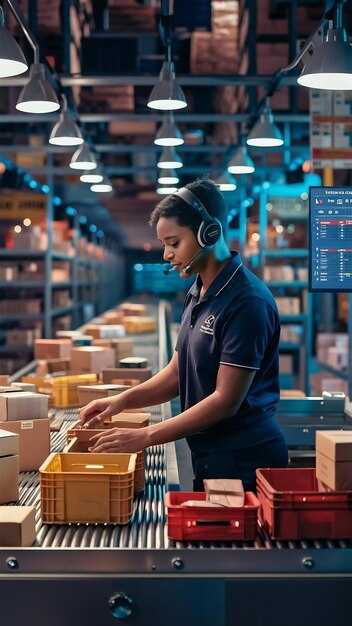
Deploy expanded carrier partnerships with regional hubs to extend service quickly and reliably. Start by mapping demand across key markets and selecting two to three carriers per region that can receive shipments, meet defined service windows, and pick up bulky loads from local facilities. These partnerships should come with clear SLAs and a simple handoff process to minimize delays.
Rolling out regional lanes, these collaborations increase visibility and confidence for customers. Real-time updates come via carrier apps and media notifications, letting teams adjust expectations and communicate proactively. The approach helps reduce missed deliveries and improves on-time performance, a relief after the pandemic disruptions that highlighted the value of redundancy.
These programs operate in integration with carrier systems for automatic status updates and avoid manual touchpoints. Advanced routing patterns boost efficiency as sorting facilities handle shipments closer to the final destination. Expanded networks rely on tailored handling for bulky items, with clear instructions for loading and transfer, smoothing the experience for drivers and customers.
Data-driven reviews reveal opportunities to negotiate discounts with partners based on volume and consistency. Picked lanes shift with demand, while rolling metrics guide adjustments to delivery windows and pick-up timing. These steps support driving cost efficiency and help teams stay aligned with regional capacity patterns.
DIYers benefit from faster access to tools and materials, with regional coverage that meets their schedules and supports weekend projects. These expanded options reduce backorders and create dependable delivery experiences for projects large and small.
How Real-Time Tracking and Notifications Minimize Uncertainty
Enable real-time tracking for every Home Depot delivery and trigger proactive notifications at milestones to minimize uncertainty for customers. Provide updates that are accurate, timely, and actionable, so they receive ETA refinements and can adjust plans with confidence, focusing on what matters about delivery timelines.
Visibility across the distribution chains gives retailers a clear view of where delays occur and what to fix before disruption spreads. When a shipment sits at a hub or facility, teams can reallocate capacity, optimize routes, and reduce stockouts. Updates can be tailored to needs, offering customers information that is convenient and actionable, and the timing of updates should match the real-time status in transit. This level of coverage is comparable to best-in-class retailers across the entire world and at multiple locations.
To implement this, launch a project that integrates existing WMS, carrier feeds, and in-store pickup systems. Utilize a single channel for customers–app, SMS, or email–and ensure updates are convenient with only a few taps. Pilot robomart-style micro hubs at selected locations to accelerate data flow between distribution centers and stores, then scale across the network.
Measure impact by tracking stockouts, on-time delivery, and customer satisfaction. Monitor the share of orders that receive real-time updates, and adjust thresholds to keep teams aligned with sustainability goals. By providing real-time data, retailers gain the ability to adapt operations before issues escalate, improving efficiency across locations and the world while supporting a sustainable, customer-first service model.
How Local Stores, Installers, and Pro Teams Synchronize Scheduling

Adopt a centralized scheduling hub that links store calendars, installers, and pro-team rosters, delivering real-time availability across all touchpoints. This single source provides visibility into large-scale tasks, avoids double bookings, and speeds up confirmations for store-fulfilled projects delivering results by professionals.
Define fixed windows: 15-minute navigation buffers between visits, 60-minute blocks for installations, and 24-hour notice requirements for rescheduling. The approach helps ensure predictable timelines and reduces wait times by 20-40% while aligning priorities across locations.
Link the hub to courier networks and retailer partners so updates cascade to customers and to field providers. This enables store-fulfilled orders, providing ETA communications and ensuring engagement with customers. It also offers a clear picture of who is available, where, and when, so brand messaging stays consistent and providers can plan routes efficiently. The pandemic era accelerated the need for this discipline, and retailers continue to push for tighter coordination across teams.
Create a dynamic picture of capacity: a live map shows store-fulfilled opportunities and upcoming installations, guiding providers and courier to optimize routes and reduce idle time. The system uses real-time status, enabling navigation to the next best appointment and reinforcing engagement with customers.
Capture ideas from installers and store staff and run quick tests on scheduling rules: reserve blocks for large-scale tasks, enable flexible rescheduling, and provide transparent status updates. This approach enhances customer engagement, strengthens brand consistency, and analytics show measurable gains in service reliability across multiple locations.
What Data and Tech Drive Last-Mile Routing and Inventory Accuracy
Adopt an integrated, data-driven routing and inventory system that ties live navigation data to store stock and driver capacity, ensuring every carry moves efficiently and improving reliability of deliveries.
Tap into diverse data sources: POS feeds, WMS, real-time GPS traces, traffic and weather, curbside or locker status, and supplier-shared inventory. Use survey inputs from field professionals to calibrate routing rules and reorder points, ensuring stock stays in the right place for the next wave of orders. These inputs help you tighten execution and reduce empty miles overall.
Leverage augmented analytics and AI to convert data into clear actions for operations, purchasing, and store teams. Real-time alerts flag bottlenecks, while navigation and route-optimization engines propose multiple options. These initiatives work together with startup and established providers to boost supply chain resilience and improve the customer experience. These data-sets arent static; they evolve as demand shifts and routes change.
| Metric | Baseline | Target | What to Change |
|---|---|---|---|
| On-time delivery rate | 85% | 92% | Integrate live routing with stock checks; monitor exceptions in real time |
| Average miles per stop | 6.5 | 5.2 | Use dynamic ETA routing and consolidated trips |
| Inventory accuracy at pickup | 96% | 99.5% | Sort and verify items with barcode scanning during loading |
| Order error rate | 1.2% | 0.3% | Improve sorting, verify packaging, and sync with POS |
To scale improvements, pilot the approach in a single region and gradually expand. Use virtual simulations to stress-test routing rules and inventory workflows before broad rollout. Regularly survey front-line professionals to capture feedback on experience and to refine automation, keeping the focus on improving the service level for customers and the efficiency of operations.