


 한국어
한국어  English (UK)
  Русский
  العربية
  日本語
日本語  Magyar
  Türkçe
  Español
  Čeština
  Svenska
  Português
  Ελληνικά
  Suomi
Suomi  Nederlands
  Română
  Italiano
  Français
  Polski
  Українська
  Deutsch
  简体中文
简体中文  Slovenčina
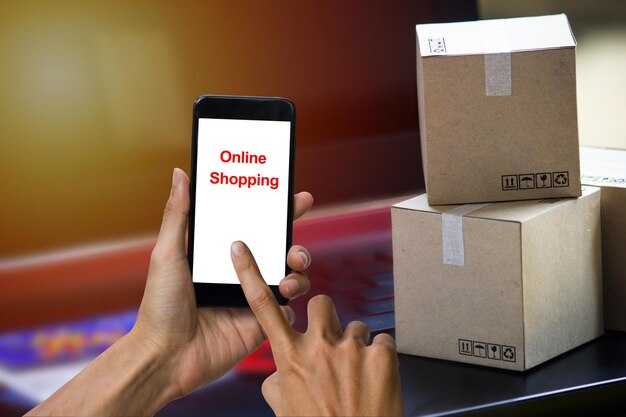
Choose in-store, first-party fulfillment for online orders to cut delivery times and boost customer satisfaction, faster than warehouse-only options. Hy-Vee moves picking and order assembly back to its locations, aiming to shorten the path from cart to doorstep and keep the process closer to customers in illinois markets. Not only does this shift speed outcomes, it also narrows the handoffs that can delay sales.
Hy-Vee said the solution relies on first-party fulfillment conducted at nearby stores, with daily picking routines tuned to local stock. Hy-Vee says the shift keeps customers closer to illinois locations and offers clear visibility for orders, improving accuracy and speed. Some orders will include additional items from the in-store assortment, supporting a more flexible array of options than a warehouse-only path.
For customers, the move delivers faster fulfillment and strengthens omnichannel capabilities while remaining mindful of health and safety in stores. The model will remain adaptable across many locations, ensuring a reliable daily flow for picking and order assembly. In illinois and neighboring states, the approach provides a consistent experience whether shoppers choose daily pickup or curbside service.
To replicate success, retailers should focus on clear inventory visibility, robust first-party roles, and a path to expand to additional locations. Track metrics such as order accuracy, picking speed, and customer feedback daily, and plan for some contingency stock to maintain service levels. This strengthening of the online-to-store solution helps retain customers who expect convenience and reliability.
Hy-Vee Online Fulfillment Back in Stores: Instacart Partnership, Restaurant Center Changes, and Fulfillment Center Closures

Adopt a store-first fulfillment base for your 전자상거래 strategy and lean into in-store operations to speed delivery. This approach keeps demand within the retail footprint, reduces transit times, and supports services as online orders grow this month. hy-vee says e-commerce sales sit in the multi-billion range, confirming that the in-store solution remains the base for customer trust and speed.
hy-vee introduced instacarts partnership, bringing online order fulfillment back into stores and tapping instacarts’ driver network to cover peak demand across the chain, a move that strengthens the base of hy-vee’s online solution.
The Restaurant Center changes focus on ready-to-ship meals and faster delivery, with emphasis on restaurants 그리고 hamburger options to meet demand. Hy-Vee says the initiative uses new 도구 to align kitchen throughput with store inventory, ensuring accuracy from prep to doorstep, a sign of ongoing 혁신 in the hybrid retail model.
Fulfillment Center closures reallocate capacity within the midwest to stores and local hubs, and the company says the move remains aimed at keeping stores and customers within reach. This program brings delivery closer to customers, a key benefit of the store-based approach for Hy-Vee’s grocer network and other channels.
News to act on: choose a solution that scales with demand, track month-to-month orders, and invest in 도구 that close the loop between stores, restaurants, and hubs. This approach aligns hy-vee with other channels and supports sustained sales while keeping operating costs in line for the grocer.
What changed in store-level fulfillment workflows and how to execute orders
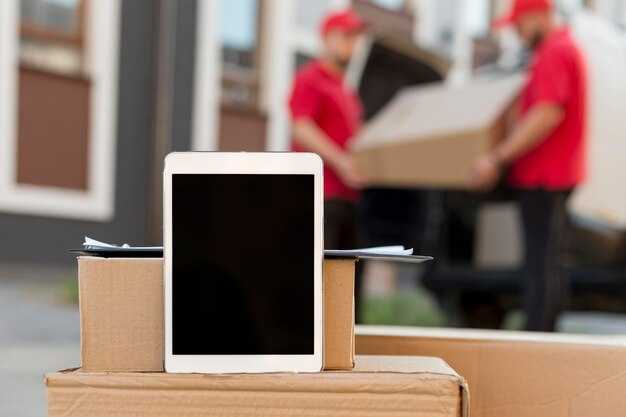
Reassign online orders to a dedicated in-store picking team and enable real-time inventory visibility across locations to speed fulfillment. hy-vee brings online order fulfillment back to stores, allowing customers to receive orders faster while maintaining strong sales.
What changed in store-level workflows includes real-time stock updates, item-level scanning, and routing that pushes orders to the closest locations with stock. This reduces off-site handoffs and delays. Some markets reported a 12-18 minute drop in average pick time after instituting early picking windows for high-demand items.
Step-by-step to execute orders: Step 1: capture the order and confirm pickup method; Step 2: route to the closest locations with inventory; Step 3: assign to an early picking team; Step 4: pick, bag, and label with the order ID; Step 5: stage for pickup or curbside and push digital notifications; Step 6: complete handoff and log the service event for future optimization.
Monitoring and guidance: use a monthly dashboard covering picks per hour, accuracy, and on-time handoffs; target a 98% pick accuracy and reduce order cycle time by 20% month over month. Partners and grocer teams align on shared metrics; reported gains include improved marketing outreach and grand promotions as faster fulfillment drives higher sales across regions.
People and partnerships: this shift adds jobs in in-store fulfillment and offers partners new channels for collaboration with media 그리고 뉴스 outlets; store teams coordinate with marketing to highlight quick delivery in areas 그리고 locations with targeted campaigns; more services can be expanded in 디지털 channels and off-site hubs, strengthening a flexible partnerships model across locations.
How the Instacart partnership expands same-day delivery for Hy-Vee customers
Expand the Instacart coverage now by adding more locations across the midwest, starting in missouri and minn, delivering from hy-vee stores within hours.
This agreement blends hy-vee first-party e-grocery services with Instacart’s partners, providing a grand, scalable model that strengthens the brand and offers faster delivery for customers.
The approach relies on Instacart shoppers picking orders inside Hy-Vee locations, ensuring accuracy while maintaining full service quality, and it introduces early delivery windows in some markets to meet demand.
In march, the program introduced expanded coverage to additional locations, closing gaps and creating jobs in the midwest as the network scales.
Hy-Vee said the expansion will be closely monitored to maintain service levels across locations, and the program allows the company to reach more shoppers efficiently, with missouri and minn locations benefiting particularly from the expanded footprint featuring wahlburgers in select stores.
Missouri and minn locations join a broader set of stores, and the collaboration strengthens Hy-Vee’s e-grocery services, supporting a full, customer-centric experience while creating jobs and reinforcing the midwest brand.
What the restaurant fulfillment center changes mean for operations and technology
Recommendation: deploy an integrated restaurant fulfillment platform that coordinates in-store and off-site fulfillment, starting in illinois and the west to prove faster, more accurate order handling and better inventory control.
Hy-Vee said the shift consolidates five legacy systems into a single base platform, enabling real-time visibility across stores and off-site hubs. This consolidation reduces manual handoffs, shortens pick paths, and cuts mis-picks by a measurable margin in the first quarter after launch.
The new setup integrates e-commerce, shopping, and restaurant orders on one platform, so customers see consistent updates from checkout to pickup or delivery. By unifying channels, the operation can route online orders to the nearest fulfilling store or off-site center, improving speed and accuracy for west and illinois markets and later expanding to additional bases.
Partnerships play a key role. A formal agreement with Wahlburgers to test joint fulfillment flows demonstrates how a single stream of orders across brand partners can preserve assortment while expanding brand reach. Media coverage from news outlets and tribune sources emphasizes the value of a coordinated approach to data sharing, logistics, and customer communications, helping the market validate the model early.
Technically, teams will implement API integrations to connect store POS, warehouse management, and the e-commerce platform, plus a routing engine to decide between in-store pick, curbside, or off-site fulfillment. Integrating scanning and tracking at each step improves accuracy, while customer-facing status alerts reduce calls to support and increase satisfaction with shopping and brand experience.
Operational changes include redefined roles focused on fulfillment coordination, new job families around inventory control and order routing, and targeted training to ensure teams can work across channels. Some staff shift from traditional shelf tasks to courier-ready packing and handoff, while others stay focused on stock replenishment–the goal is a smoother, faster flow with fewer delays for customers.
Later phases will broaden coverage to additional regions and extend the platform to media and partner networks, aligning merchandising with the full assortment and promotional calendars. The effort relies on a clear governance structure, regular business reviews, and a communications plan that keeps partners informed and customers confident in the brand.
| 지역 | Baseline | 목표 (12개월) | Owner |
|---|---|---|---|
| 주문 정확도 | 92% | 97% | Ops |
| Fulfillment time (avg) | 42 min | 25–30 min | Fulfillment Ops |
| 재고 가시성 | Store-only | Cross-network (stores + off-site) | IS/IT |
| On-time delivery/pick | 88% | 95%+ | 물류 |
The base plan includes a phased rollout, with Illinois and the west as initial pilots, followed by replication in other markets as data proves value. This approach supports a scalable platform that can grow with brand relationships and evolving customer expectations, delivering a more consistent shopping experience for customers and stronger performance metrics for the organization.
Which ordering paths to use: delivery, pickup, and timing expectations
Delivery should be your default path for daily essentials and for restaurants like Wahlburgers; switch to pickup when you want to lock in a specific time and avoid later arrivals. The options includes delivery and pickup, and each path allows you to meet your schedule with confidence.
Delivery timing varies by center. Some centers reported shorter windows for daily items after the introduced first-party fulfillment, while others show longer throughput during busy periods. The staff says these changes are being refined, with later slots more common in peak hours and with adjusted staffing at centers outside core hours.
Pickup timing tends to be more predictable: many shoppers find orders ready in about 15–30 minutes, with later slots added to handle peak volume. With pickup, you control the moment you arrive, which reduces the risk of delays caused by traffic or kitchen backlogs.
Which path to use depends on your needs: delivery meets daily shopping goals by bringing items to your door, often including options from various restaurants, while pickup works well for planned meals or larger orders where you want a fixed time and reduced contact. Some shoppers use both paths to balance convenience and timing, especially when plans change during the day.
источник notes that retailers introduced changes as part of a broader move to first-party fulfillment and e-grocery strategies. Reported shifts include more predictable windows for certain items and broader availability for later slots in many centers, reflecting adjustments announced by operators and supply partners.
Practical steps: in the app, compare delivery and pickup options for each order, set a target window with the later pickup if you expect daytime delays, and check updates from staff if a center experiences a surge. For daily routines, meet your needs by selecting delivery for speed and consistency, then switch to pickup for time-sensitive meals or when you plan to visit a center outside peak periods.
What the closures imply for inventory, communications, and service levels
Centralize real-time inventory visibility across all locations to protect service levels and cut stockouts in online orders. This grand move brings new efficiencies to the chain and requires a single source of truth (источник) to succeed.
- Inventory implications
- Establish a single source of truth (источник) for stock across locations and DCs to reduce mismatches and speed fulfillment.
- Increase safety stock for high-demand categories such as e-grocery staples and restaurant supplies, including hamburger buns, to maintain availability during closures.
- Use cross-docking and smart transfers to keep the nearest location ready to fulfill orders, minimizing travel time and improving accuracy.
- Weve observed that routing logic prioritizing closest inventory lowers last-mile delays and boosts fulfillment reliability.
- Monitor inventory velocity by category and adjust replenishment frequencies to sustain performance under shifted closures.
- Position the program as a multichannel capability for the company, which supports a multibillion-dollar e-grocery ecosystem and keeps services consistent across locations.
- Communications implications
- Publish proactive order status updates via app, SMS, and media channels to reduce calls and set clear expectations.
- Use news-style updates to explain the closures and the move back to store-powered fulfillment; a clear narrative says this is a deliberate, customer-focused adjustment.
- Maintain consistent messaging across retailers and the chain to avoid mixed signals for locations that serve restaurants and everyday shoppers.
- Offer personalized, digital notifications detailing substitutions, ETA windows, and order changes for each customer, which allows a smoother experience even when processes shift.
- Leverage the media and social channels to provide real-time coverage of how orders progress, reinforcing trust with shoppers and restaurant partners alike.
- Service levels implications
- Set realistic pickup and curbside windows based on current staffing across locations to protect reliability.
- Adopt a hub-and-spoke approach so nearby stores and e-grocery operations can fulfill a broader set of orders, preserving speed for staples and favorites like hamburger-related items.
- Track on-time fulfillment, substitution accuracy, and customer wait times; use those metrics to adjust staffing, routing, and store processes quickly.
- Invest in digital tools that guide associates through stock checks and substitutions, strengthening services across the company and its retailers.
- Explain closures with concrete timelines and options, reducing friction for customers and improving loyalty across locations and media channels.