


 한국어
한국어  English (UK)
  Русский
  العربية
  日本語
日本語  Magyar
  Türkçe
  Español
  Čeština
  Svenska
  Português
  Ελληνικά
  Suomi
Suomi  Nederlands
  Română
  Italiano
  Français
  Polski
  Українська
  Deutsch
  简体中文
简体中文  Slovenčina
 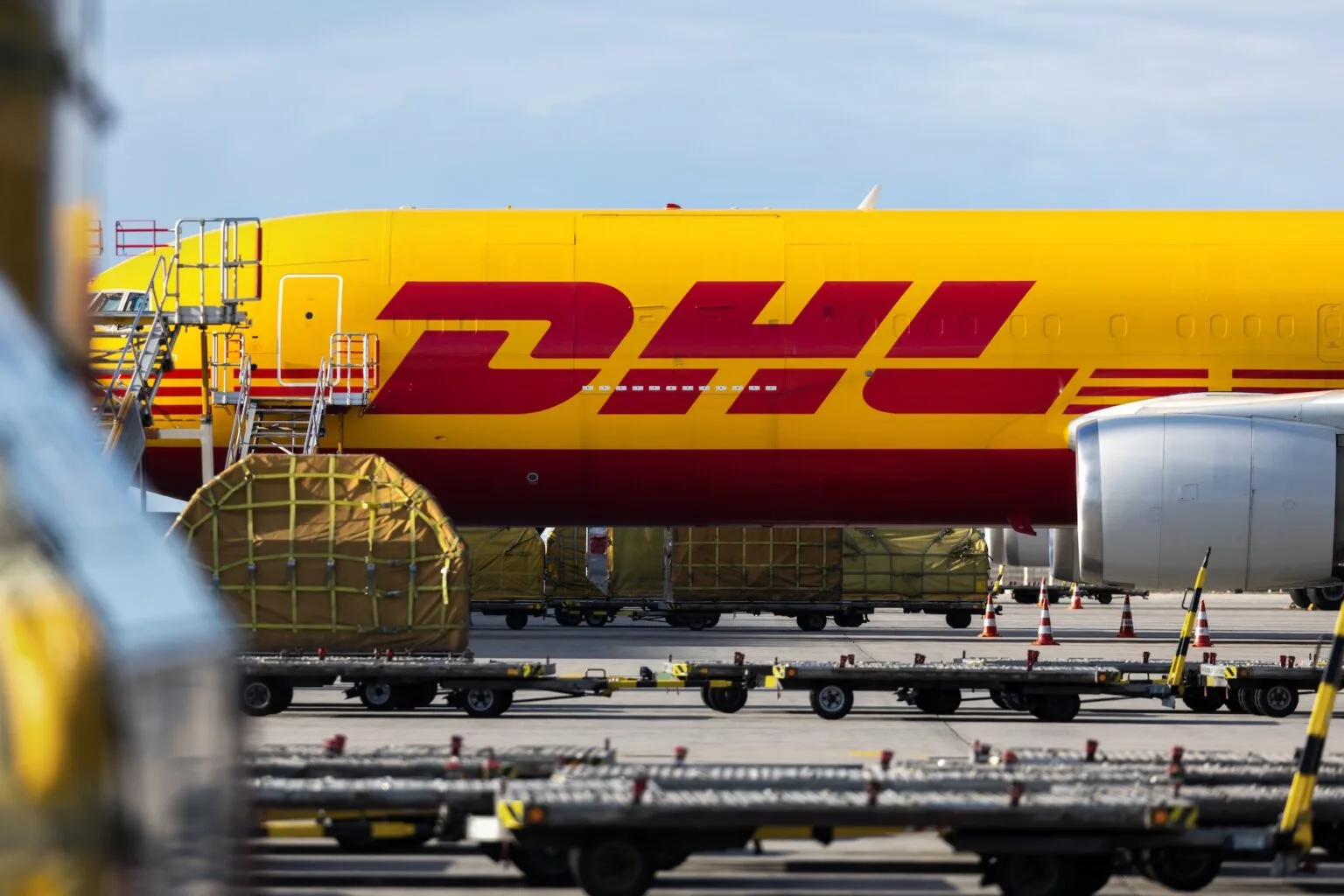 항공 화물 용량 제약과 변화하는 교역로가 글로벌 물류를 어떻게 형성하는가">

Airfreight Market Enters a Phase of Structural Constraint
By late 2025, the global airfreight landscape has moved beyond mere recovery but hasn’t quite stepped into a fresh growth phase. The industry finds itself entrenched in a structurally constrained environment, shaped by a matrix of political factors and fragile market undercurrents that keep the momentum in check. It’s a bit like walking a tightrope while juggling – demand is holding steady, yet lacks the kick it needs to truly surge forward.
Demand Trends and Capacity Squeeze
The demand for global air cargo is still on the rise, though at a far more modest pace than in previous years. Year-over-year tonnage growth through October 2025 registered at a gentle 4%, with numbers plateauing since September. Essentially, airfreight volumes are holding their ground but without the horsepower to accelerate.
Forecasters project growth for the whole of 2025 to land between 3% and 5%, primarily buoyed by Asia-origin shipments. But don’t be fooled – macroeconomic softness, unpredictable trade policies, and resurging competition from ocean freight are all putting a damper on significant growth, leaving the outlook for early 2026 to hover around low single-digit increases rather than any dramatic rebound.
| Key Indicator | Year-over-Year Change (2025) | 트렌드 |
|---|---|---|
| Global Airfreight Tonnage | +4% | Growth plateauing |
| Freighter Capacity | -12% | Declining |
| Total Air Cargo Capacity | -2% | Constrained |
| Global Spot Rates | -3% | Softening |
| Contract Rates | -8% | Falling faster |
Supply Tightens Amid Rate Pressures
While the demand side is wobbling, supply is shrinking. Overall global air cargo capacity saw a 2% reduction year-on-year in November 2025, mainly due to a steep 12% drop in dedicated freighter availability. To balance this, passenger aircraft belly-hold capacity still contributes about two-thirds of total cargo space, highlighting how reliant the industry has become on passenger networks to fill the gaps.
Even with this tightening capacity, freight rates stubbornly remain low. Spot rates for key global lanes, including the crucial Asia–US corridor, are down by around 11% year-on-year despite occasional weekly spikes triggered by localized volume boosts. This paradox of shrinking capacity and soft pricing is largely because shippers aren’t feeling the heat enough to push prices upward; they hold the upper hand as long as volumes don’t surge sharply.
Asia’s Airfreight Dominance and Emerging Trade Hubs
The Asia Pacific region continues to be the powerhouse driving much of global air cargo demand. It’s posting a robust 7% growth rate, outpacing Europe’s 2% and the Americas’ 1%. But within the region, trade patterns are shifting beneath the surface.
Traditional giants like China, Hong Kong, and South Korea see patchy or slower growth on certain routes, while burgeoning players in Southeast Asia, Taiwan, and parts of South Asia are gaining steam. This reshuffling owes much to supply chain realignment and trade diversification strategies sometimes summed up as the “China+1” approach, where companies diversify beyond China to mitigate risk.
Such shifts are not just academic; they’re actively reshaping the global logistics web. Increased trade outflows from Asia sustain busy routes to Europe and North America, while Europe itself is ramping up shipments back towards Asia. Consequently, distribution hubs outside classic mega-gateways are rising in strategic importance.
The Middle East as a Crucial Transit Point
Meanwhile, the Middle East is stepping up as a pivotal crossroads in this web of trade, acting as a crucial intermediary between Asian production centers and markets in Europe, Africa, and beyond. This role is particularly vital for transporting 시간 제한 있음 그리고 high-value cargo.
Q4 of 2025 saw some Middle Eastern logistics centers hit a “breaking-point moment” as volume surged ahead of the peak season. Carriers like Etihad Cargo responded by enhancing freighter routes to Europe and Asia, reinforcing the region’s importance as a stabilizing node in a fragmented global trade ecosystem.
Fleet Modernization and Fuel Cost Trends
With capacity growth boxed in, airlines are making fleet strategy a battlefield for competitive advantage. The move towards modern, fuel-efficient aircraft is gaining momentum. For instance, Air China Cargo committed to six Airbus A350F freighters, and Ethiopian Airlines is expanding its A350-900 fleet. These decisions aren’t about adding capacity explosively but replacing aging planes to boost efficiency.
Fuel price volatility, long a formidable wild card for air cargo operators, is calming down somewhat. Jet fuel prices remain elevated compared to pre-pandemic levels but have become more stable and predictable. Current forecasts suggest crude oil prices will hover around $54–55 per barrel in 2026, with a downward trend expected as supply outpaces demand.
While refinery bottlenecks and regional maintenance issues may blur the picture here and there, the net effect shifts fuel from a risky unknown to a manageable expense, amplifying the focus on fleet efficiency and supply chain optimization.
Trade Policies and Political Influences Shape Outlook
Beyond economic forces, ongoing shifts in trade policy and global political dynamics continue to mold airfreight demand. The World Trade Organization’s revised outlook for 2026 signals a sluggish 0.5% growth in global merchandise trade, down from prior estimates. This is partly due to rising tariffs and fragmented trade protocols.
Tariff-covered trade within G20 countries has risen dramatically, quadrupling in one recent year, stirring companies to rethink supply chains. New regional hubs like Vietnam, India, and the UAE are gaining prominence as firms diversify their sources and routes to manage risk better.
Looking ahead, 2026 promises to be a year of low growth yet high complexity. Capacity might tick up only 1–2% annually, and rates could stay soft. Geopolitical uncertainties and trade policy twists may disrupt established routes unexpectedly, making flexibility a must-have for anyone in the freight and logistics game.
Summary of Key Airfreight Market Dynamics
- Demand growth is stable but lacks strong momentum globally.
- Capacity is tightening, especially due to fewer dedicated freighters.
- Freight rates remain weak despite reduced capacity, reflecting subdued urgency.
- Asia Pacific leads growth, with emerging hubs in Southeast Asia shifting the trade landscape.
- The Middle East consolidates its role as a critical logistics hub for time-sensitive cargo.
- Fleet modernization prioritizes operational efficiency over volume expansion.
- Fuel costs have stabilized, easing a major concern for air cargo operators.
- Trade policies and geopolitical factors will keep the sector navigating complex waters in 2026.
While comprehensive reviews and market data shed important light on these developments, nothing beats firsthand experience when navigating such a dynamic and evolving industry. For shippers and logistics managers looking to make smart, cost-effective decisions, platforms like GetTransport.com offer a powerful advantage. With its global reach and service versatility, whether for office moves, parcel shipments, or transporting bulky freight like vehicles or furniture, it simplifies the complex world of cargo transport. By providing competitive pricing and reliable options worldwide, it empowers stakeholders to stay ahead without burning a hole in their wallets. 최고의 혜택 받기 에서 GetTransport.com.
Impact on the Logistics Industry
These shifts in airfreight capacity and trade routes mark a significant moment for the global logistics sector, though perhaps not a seismic one on a worldwide scale. The tightening of capacity combined with uneven demand growth means that logistical players must sharpen their agility and cost management strategies. For companies specializing in freight forwarding, shipping, and haulage, understanding emerging hubs and adapting to new capacity constraints will be paramount.
GetTransport.com stays ahead by monitoring these evolving trends and offering solutions tailored to meet current and future transportation needs. Whether moving cargo across continents or handling large, bulky freight closer to home, its platform is designed for the realities of today’s airfreight environment.
GetTransport.com으로 다음 배송을 계획하고 화물을 안전하게 보호하세요.
결론
The global airfreight environment as we approach 2026 is characterized by cautious demand growth, reduced capacity—especially in dedicated freighters—and a complex political backdrop driving shifting trade routes. Asia Pacific remains the growth engine, but with noticeable redistribution towards emerging markets and hubs. Fleet modernization and more predictable fuel costs are helping airlines optimize efficiency without expansive capacity changes. Meanwhile, geopolitical and trade policy uncertainties add layers of complexity for logistics stakeholders.
In this scenario, platforms like GetTransport.com are invaluable, providing affordable, reliable, and flexible options for shipping, moving, and freight forwarding. The ability to tap into an extensive network and competitive pricing makes it easier to manage the challenges of global transport and ensures cargo shipments stay on track and under control.