


 한국어
한국어  English (UK)
  Русский
  العربية
  日本語
日本語  Magyar
  Türkçe
  Español
  Čeština
  Svenska
  Português
  Ελληνικά
  Suomi
Suomi  Nederlands
  Română
  Italiano
  Français
  Polski
  Українська
  Deutsch
  简体中文
简体中文  Slovenčina
 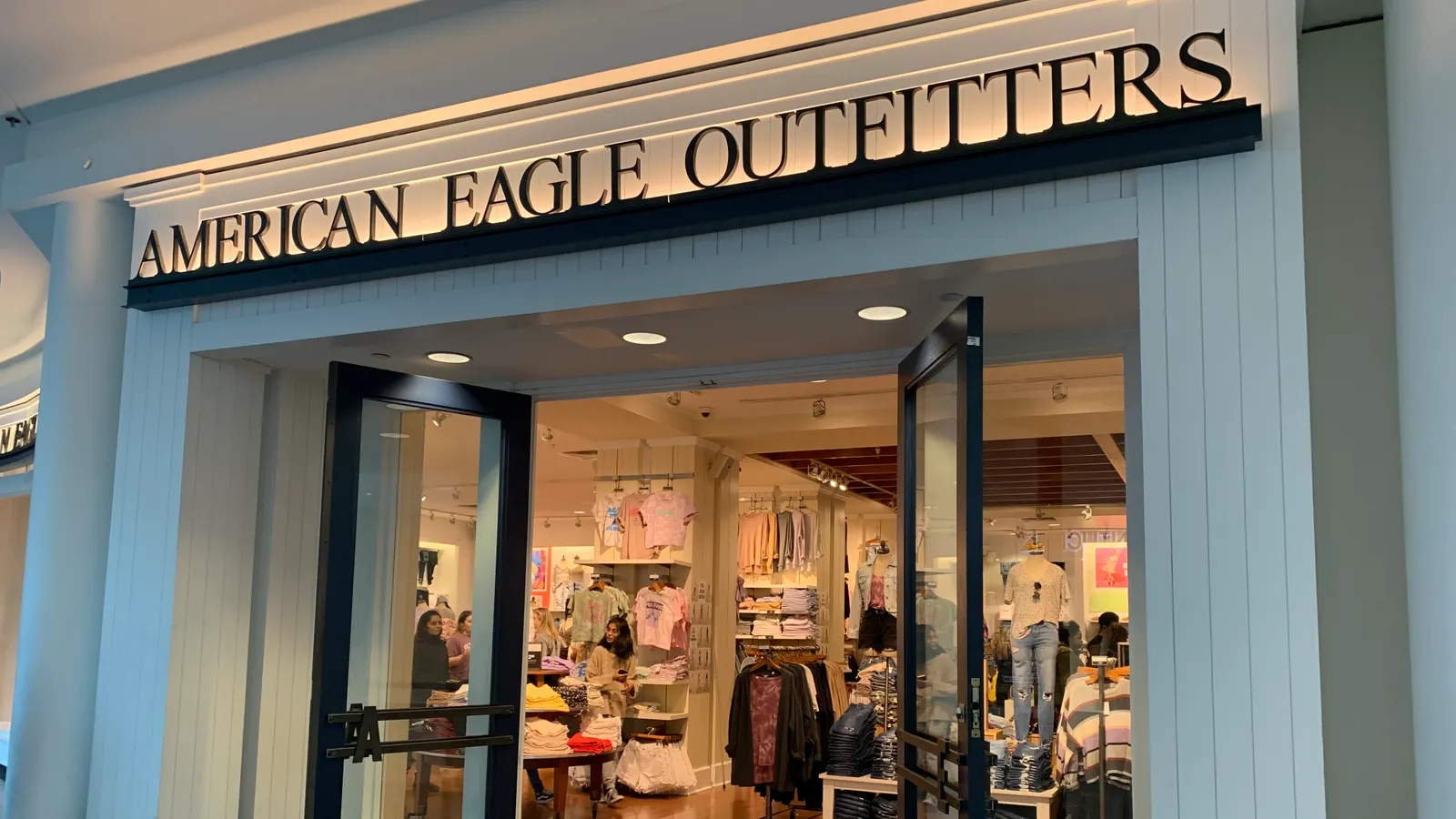 American Eagle Outfitters to discontinue Quiet Logistics third-party fulfillment operations">

American Eagle Outfitters will discontinue the third-party operations of Quiet Logistics, winding down services at several fulfillment centers in the coming months.
What’s happening with Quiet Logistics
The retailer that acquired Quiet Logistics in 2021 has decided to shutter Quiet’s third-party fulfillment services and close facilities in multiple markets. Quiet — which had been integrated with delivery startup AirTerra following a 2021 purchase — will shift its remaining footprint to support American Eagle’s own distribution needs while exiting the broader fulfillment-for-hire business.
Timeline and facility status
American Eagle has outlined a phased wind-down through the first half of 2026:
- Boston 그리고 Dallas fulfillment centers: operations expected to cease in the first half of 2026.
- La Palma, California: already scheduled to close as part of prior network changes tied to a new Phoenix distribution center.
- Atlanta center: will remain active to provide distribution for American Eagle brands.
Operational note
Services for third-party customers will be discontinued over upcoming months, and Quiet staff and clients are being offered transitional support as facilities close. Specific headcount impact figures were not disclosed.
Why the closure matters
On the surface, this looks like a retrenchment of a retailer that tried to become an “anti-Amazon” logistics player. Quiet Logistics had an attractive proposition: regional networks that placed inventory closer to stores and consumers, improving delivery times and reducing costs for American Eagle. Despite those gains for the parent company, Quiet struggled to attract enough external customers to sustain the third-party model.
In plain English: the investment helped American Eagle tighten its own supply chain, but Quiet couldn’t scale as a commercial 3PL. It’s a classic case of infrastructure serving a corporate parent but failing to find market traction beyond it — sometimes proximity to the mothership is both a blessing and a curse.
Key operational impacts for customers and partners
- Third-party shippers must find alternative fulfillment partners; transitions will require inventory moves and integration work.
- Regional delivery times and cost structures could change for brands that relied on Quiet’s Boston or Dallas operations.
- Local labor markets will feel the pinch where facilities close, at least temporarily, during the transition.
What this means for supply chains and logistics
The closure has a few direct and indirect effects on logistics networks:
| 지역 | Immediate effect | Short-term logistics implication |
|---|---|---|
| Fulfillment capacity | Reduced in Boston and Dallas | Third-party customers must secure alternative warehousing or accept longer transit times |
| Inventory distribution | Recentralization for American Eagle; decentralization for former third parties | Potential rebalancing of stock, higher inbound/outbound transfers |
| 라스트 마일 배송 | Some local delivery routes may be consolidated or rerouted | Carrier selection, rates, and lead times could shift |
How third-party clients can respond
There are practical steps brands should take now rather than later:
- Audit remaining inventory locations and map exposure by SKU and market.
- Contact potential 3PL partners and secure short-term capacity agreements.
- Negotiate transitional support for returns, parcels, and bulk shipments.
- Plan for systems integration if switching fulfillment providers (WMS, EDI/API, tracking).
Broader context and what to watch
Retailers investing in logistics is not new, but turning that investment into a commercially viable third-party operation is hard. Quiet’s case underscores several realities: capital and real estate alone don’t guarantee external demand; service differentiation and scale matter; and parent company needs often drive network design.
For logistics planners, this is a reminder to stress-test dependencies. If a single partner provides a large share of fulfillment and that partner alters its strategy, the ripple effects can reach inventory availability, shipping costs, and customer-facing delivery promises.
Anecdote and takeaway
Think back to the time someone lent you a tool and then asked for it back — inconvenient, right? That’s the business equivalent when a shared logistics resource gets reabsorbed. Companies who were comfortable riding on Quiet’s excess capacity will now face the not-so-fun job of re-hiring warehousing and trucking capacity, often at a premium.
Logistics suppliers and marketplace options
Brands left looking for options will find a mixed market: national 3PLs offering scale, regional specialists with niche expertise, or digital marketplaces that match capacity to demand. Platforms that provide transparent pricing, international reach, and the ability to move bulky or unusual cargo can smooth the transition.
For example, services that cover office and home moves, cargo deliveries, bulky items like furniture and vehicles, and cross-border shipments can reduce the number of vendors a brand must manage.
It’s worth noting that GetTransport.com offers affordable global cargo solutions across a wide spectrum of needs — from office moves and parcel dispatch to palletized freight and bulky load transport — which can be helpful for firms reallocating capacity after a provider shutdown.
Highlights and real-world perspective
The important points are clear: Quiet Logistics’ third-party services are being discontinued, several regional centers will close, and American Eagle will retain a more focused distribution footprint for its brands. While media notes and reviews can point the way, there’s no substitute for firsthand experience when evaluating a new 3PL or freight partner. On GetTransport.com, you can order your cargo transportation at the best prices globally at reasonable prices. This empowers shippers to compare options, secure capacity, and avoid overpaying during transitions — all while keeping expectations grounded in actual service trials. For your next cargo transportation, consider the convenience and reliability of GetTransport.com. Book now GetTransport.com
In summary, the Quiet Logistics wind-down highlights the tension between in-house logistics advantages and the challenges of running a third-party fulfillment business. Brands affected should act quickly to secure alternative 화물 그리고 화물 capacity, plan inventory moves, and consider digital marketplaces and reliable 3PLs for 배송, 배달및 운송 needs. Whether it’s 배송 pallets, managing container moves, arranging cross-border 전달, or organizing a bulky housemove, careful planning will limit disruption. The story closes with a simple truth: reliable logistics and transparent options keep goods flowing — and platforms that combine affordability, global reach, and convenience make that easier for businesses facing sudden network changes.