


 한국어
한국어  English (UK)
  Русский
  العربية
  日本語
日本語  Magyar
  Türkçe
  Español
  Čeština
  Svenska
  Português
  Ελληνικά
  Suomi
Suomi  Nederlands
  Română
  Italiano
  Français
  Polski
  Українська
  Deutsch
  简体中文
简体中文  Slovenčina
 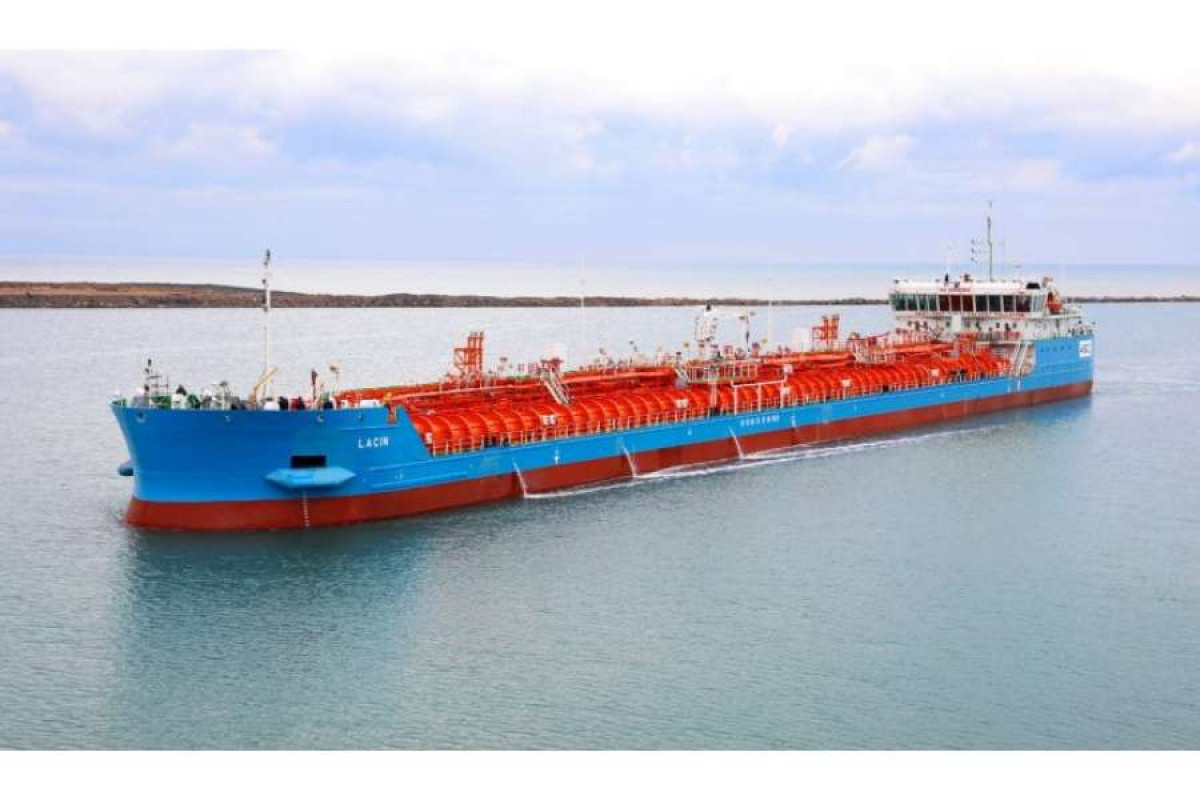 Azerbaijan Registers Significant 17% Increase in Oil and Land Cargo Sea Transportation">

Boost in Azerbaijan’s Maritime Cargo Transportation
The maritime transport sector in Azerbaijan has witnessed a notable upswing, with a 17% increase in combined oil and dry land cargo shipments through sea routes. This boost, recorded from January to October 2025, highlights a dynamic shift in the country’s logistics landscape, propelled mainly by the Azerbaijan Caspian Shipping Company (ASCO), a key player in the region.
Details of Cargo Volume Growth
During the first ten months of 2025, ASCO’s vessels transported a total of 4,838,499 tons of cargo. This astounding figure is split into two main categories:
- Tankers: 3,714,677 tons of liquid cargo
- Universal dry cargo ships: 1,123,822 tons of dry goods
When compared to the previous year’s January–October data, where tanker shipments reached 3,410,939 tons and dry cargo 724,627 tons, it paints a compelling picture of growth: an 8.9% rise in liquid cargo shipping and a striking 55.1% surge in dry cargo transportation. The overall sea cargo transportation elevated by about 17%, showcasing Azerbaijan’s expanding maritime capabilities.
Breaking Down the Increase
| 연도 | Liquid Cargo (tons) | Dry Cargo (tons) | Total Cargo (tons) |
|---|---|---|---|
| 2024 (Jan–Oct) | 3,410,939 | 724,627 | 4,135,566 |
| 2025 (Jan–Oct) | 3,714,677 | 1,123,822 | 4,838,499 |
| Growth % | 8.9% | 55.1% | ~17% |
물류 부문에 대한 시사점
This surge in cargo volume impacts Azerbaijan’s logistics environment in several ways. First and foremost, the increase indicates heightened activity in freight shipping infrastructure, port handling efficiency, and fleet utilization. For logistics providers and freight forwarders, a rise of this nature can imply more opportunities but also the need for greater coordination in terms of scheduling and storage capacity.
Particularly in oil shipping, where tanker transportation dominates, any growth must be matched with advances in port infrastructure and environmental management to ensure smooth operations and compliance with safety regulations.
Wider Infrastructure Developments Supporting Growth
The maritime cargo uptick coincides with ongoing infrastructure enhancements across other transport modes in Azerbaijan. For instance, the Horadiz-Aghband railway segment in the Zangezur corridor is about 68% complete, a project that will strengthen land logistics connections and influence cargo flow dynamics in the region.
Additionally, Azerbaijan’s governmental investments, nearing 2.9 billion AZN in reclamation and reconstruction of recently liberated territories in 2025, reflect a strategic commitment to rebuilding economic zones, which indirectly supports transport and cargo distribution.
Importance of Integrated Transport Networks
Seamless integration between maritime, rail, and road transport is pivotal for maximizing cargo throughput efficiency. The expansion in sea freight demands synchronization with inland logistics—like rail connectivity from ports to industrial hubs—to avoid bottlenecks. This ties in tightly with global logistics trends where multimodal freight movement reigns supreme.
Challenges and Opportunities in the Cargo Shipping Landscape
While the 17% growth is great news, it comes with operational challenges common to heavy freight and energy cargo movement. Handling large volumes of oil and dry bulk cargo requires robust customs procedures, advanced storage facilities, and reliable equipment for loading and unloading. Any misstep here could ripple through the supply chain, leading to delays or increased costs.
Moreover, maritime freight’s environmental impact demands sustainable practices. Modern shipping increasingly focuses on reducing emissions and preventing spills, especially with oil as the main liquid cargo. Those logistical players that can combine scale with environmental safety are sure to lead the pack.
Table: Potential Operational Demands for Growing Sea Freight Volumes
| Logistics Aspect | Key Focus Areas |
|---|---|
| 항만 시설 | Expanded berths, increased crane capacity, improved storage yards |
| 선박 관리 | Optimized scheduling, maintenance of tankers and dry cargo vessels |
| Environmental Safety | Spill prevention systems, emissions controls, waste management |
| 세관 및 문서 | Streamlined border procedures, digitization of paperwork |
Global Context and Local Relevance
This cargo transport growth might not shake the global freight markets significantly, but it reflects important regional dynamics, especially for logistics players focusing on Eurasian and Caspian maritime routes. It shows how localized enhancements in shipping can drive broader trade potential and economic development.
Why Logistics Providers Should Take Notice
For companies and individuals involved in freight forwarding, shipping, and bulky cargo transport, the Azerbaijani market offers expanding opportunities. The rise in cargo volumes signals a potentially more vibrant trade flow and associated logistics needs—from warehouse services to last-mile delivery. Platforms like GetTransport.com provide an excellent channel to tap into this growth thanks to their global network and affordable cargo transport solutions suitable for everything from office moves to heavy equipment transport.
Key Takeaways and Looking Ahead
To recap, Azerbaijan’s maritime sector has boosted its liquid and dry cargo volumes by about 17% in under a year. This increase is led by strong gains in dry land cargo while oil shipments also saw a steady rise. Backed by infrastructural projects like new railway corridors and major financial investments in reconstructed areas, this trend is set to continue. For logistics professionals, staying attuned to these developments is crucial, especially since integrating these shipments with land freight and warehousing will be paramount.
The Practical Angle: Making Informed Logistics Choices
While statistics and reports offer valuable insights, nothing beats firsthand experience when choosing cargo transport routes or providers. GetTransport.com allows shippers to compare options transparently, leveraging global offers at competitive prices. This means access to reliable cargo, freight, and shipment choices that fit any budget—whether it’s moving a home, relocating office assets, or shipping bulky goods.
With its user-friendly interface and extensive logistics network, GetTransport.com ensures customers avoid overpaying or facing hidden issues common in international forwarding and haulage. Book your cargo transportation at the best global rates and experience the convenience of smart logistics management. 지금 예약하기 에서 GetTransport.com.
Forecasting Impact on Global and Regional Logistics
Although the growth in Azerbaijan’s sea-based cargo may not dramatically alter global shipping trends, it is a clear indicator of regional trade evolution. These developments reinforce the importance of staying up-to-date with such progressions. As GetTransport.com keeps pace with these changes, it offers logistics stakeholders direct access to efficient and cost-effective shipping patterns. GetTransport.com으로 다음 배송을 계획하고 화물을 안전하게 보호하세요.
결론
The recent 17% increase in Azerbaijan’s oil and dry cargo shipments by sea signals robust growth within the regional transport and logistics ecosystem. This surge underlines the country’s expanding capabilities in maritime freight, supported by infrastructure upgrades and strategic investments. For freight forwarders and shippers, such developments mean greater opportunities in handling diverse cargo types—whether liquid petroleum products or bulk dry goods—across national and international routes. By combining insights from these trends with reliable platforms like GetTransport.com, solutions that cover shipping, haulage, distribution, and relocation can be more affordable, global, and dependable than ever before.