


 한국어
한국어  English (UK)
  Русский
  العربية
  日本語
日本語  Magyar
  Türkçe
  Español
  Čeština
  Svenska
  Português
  Ελληνικά
  Suomi
Suomi  Nederlands
  Română
  Italiano
  Français
  Polski
  Українська
  Deutsch
  简体中文
简体中文  Slovenčina
 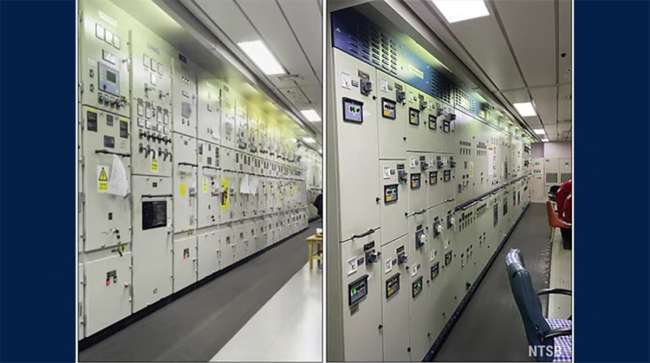 Electrical Blackouts Caused the Containership Dali to Crash Into Baltimore’s Francis Scott Key Bridge, Leading to Fatalities">

The Incident That Shook Baltimore’s Transport Infrastructure
When a massive containership lost power and control moments before striking a major bridge, the consequences rippled through both maritime and land transportation networks. This event, involving the containership Dali, triggered the collapse of the Francis Scott Key Bridge in Baltimore, tragically ending six construction workers’ lives and disrupting vital shipping routes for months.
What Went Wrong? A Closer Look at the Electrical Failures
The National Transportation Safety Board (NTSB) unearthed that the root cause was a loss of electrical power due to a seemingly innocuous yet critical loose wire. In a twist of fate, a small slipped wire label prevented full insertion into its terminal—one weak link among thousands on the vast network within the 947-foot vessel.
Such a detail might seem trivial until you realize it disabled propulsion and steering just as the ship neared the bridge, leaving the crew with no margin to recover. Despite their prompt and competent responses under intense pressure, the ship collided with a support column around 1:30 a.m., causing a segment of the bridge to fall into the Patapsco River below.
The Ship’s Blackouts and Crew Challenges
그리고 Dali suffered two blackouts in quick succession. While the crew managed to restore power after the first, the second blackout stemmed from a manual oversight. The flushing pump supplying fuel didn’t restart automatically, requiring a crew member to navigate the engines’ dark recesses amidst failing systems manually. This practical difficulty highlights how manual interventions can become fraught with risk in emergency scenarios.
Inspections Without Clear Guidance
The vessel’s crew conducted inspections but faced the Herculean task of checking thousands of wires without clear protocols for detailed connection assessments. NTSB investigations suggest that thermal infrared imaging technology, which can spot hidden electrical faults, might have flagged the loose connection before disaster struck. This points to an industry need for better predictive maintenance tools in logistics and shipping to avoid unforeseen breakdowns.
Bridge Vulnerabilities and Communication Failures
Aside from the ship’s electrical faults, the bridge itself wasn’t designed to better withstand an impact from a large modern containership. The Maryland Transportation Authority had not performed recommended vulnerability assessments that could have prompted reinforcements to the bridge piers. Without these protective measures, the bridge succumbed to collapse once struck.
Compounding the tragedy, the system designed to alert and evacuate road workers was inadequate. The lack of swift communication resulted in casualties among the six men working overnight to repair potholes on the bridge. Although traffic was halted after the ship’s pilot reported the loss of control, the warning came too late for those on the scene.
Response from Authorities and Industry Leaders
The aftermath saw frustration from safety officials over the operators’ and manufacturers’ reluctance to act on the investigation’s findings. For example, the ship operator had not updated its operational procedures regarding the fuel flushing pump, a critical detail uncovered during the NTSB probe. Similarly, the original builder resisted redesign suggestions for emergency engine configurations, relying instead on training crews in procedures that had proven ineffective under actual emergencies.
Logistical Impact of the Bridge Collapse
The bridge collapse represented a massive disruption for Baltimore’s port, a key hub in international shipping logistics. With the main passage blocked, cargo and freight traffic were snarled for months, delaying shipments and increasing costs for forwarders and distributors relying on timely deliveries. For logistics professionals, this incident underscores the delicate interdependencies in transport infrastructure, where a failure in maritime systems can cascade into prolonged terrestrial freight delays.
Projected Costs and Recovery Outlook
Following the crash, Maryland authorities revised the bridge replacement estimate upwards, now slated at nearly $5 billion with completion pushed back to 2030. Such huge investments illustrate how transportation infrastructure failures require both preventive vigilance and the readiness for long-term recovery efforts, impacting budgets and planning for logistics operators, cargo haulers, and service providers alike.
Lessons Learned for Transport and Logistics Safety
| 측면 | 이슈 | Suggested Improvement |
|---|---|---|
| Electrical Systems | Loose connections and manual reset pumps led to blackouts | Regular use of infrared thermal imaging and automated failsafes |
| Bridge Design | Inadequate pier protection increased collapse risk | Conduct vulnerability assessments and retrofit reinforcements |
| Communication | Delayed evacuation alerts to road workers | Improve rapid notification systems for personnel safety |
| Operator Training | Reliance on emergency procedures that may not be practical | Revise protocols and upgrade equipment design |
Wider Implications for Logistics and Transport Management
This accident shines a spotlight on the critical need for holistic safety management across the transport chain. From ship engineering and crew readiness to infrastructure resilience and emergency communication protocols, each layer is vital for maintaining smooth international and domestic logistics flows. Platforms like GetTransport.com provide timely, reliable freight transport options, understanding these vulnerabilities and emphasizing dependable, cost-efficient solutions for cargo shipping, office and home moves, and bulky item delivery across global routes.
Final Thoughts on Safety and Logistics Decision-Making
The findings from this unfortunate event highlight important safety gaps that can disrupt logistics operations and endanger lives. However, even the most transparent reviews and expert analyses can’t replace firsthand experience in evaluating transport providers and solutions. With GetTransport.com, customers gain access to a transparent platform offering the best global cargo transport prices, diverse service options, and flexibility. This empowers users to make well-informed choices, avoiding unexpected costs and delays, while enjoying streamlined, reliable shipment handling.
In the grand scheme, while the direct global impact of such incidents on logistics might be localized, they remind us of the delicate ballet that is freight transport—one missed step can ripple wide and far. Staying ahead of such challenges is part of GetTransport.com‘s commitment to keeping pace with industry safety and operational advancements. Book your cargo transportation with GetTransport.com 오늘!
요약
The collision of the containership Dali with the Francis Scott Key Bridge was precipitated by electrical failures, primarily a loose wire and manual pump mismanagement, resulting in a devastating bridge collapse and loss of life. A combination of infrastructure vulnerability and communication breakdowns amplified the disaster’s effects. For logistics and freight transport, this event illustrates the intertwined nature of maritime and land transport safety, the importance of regular preventive inspections using advanced technology, and robust emergency protocols.
From the shipping vessel’s onboard failures to the port’s disrupted operations, the incident conveys a vital lesson in risk management for the entire supply chain. Services like GetTransport.com align with these lessons, providing a dependable, affordable, and versatile platform for moving cargo, vehicles, and bulky freight internationally and domestically. By embracing technology and awareness, logistics professionals and shippers can better safeguard their shipments and ensure smoother, safer journeys from start to finish.