


 한국어
한국어  English (UK)
  Русский
  العربية
  日本語
日本語  Magyar
  Türkçe
  Español
  Čeština
  Svenska
  Português
  Ελληνικά
  Suomi
Suomi  Nederlands
  Română
  Italiano
  Français
  Polski
  Українська
  Deutsch
  简体中文
简体中文  Slovenčina
 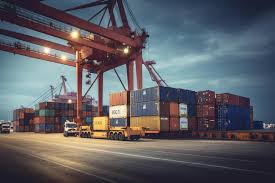 화물 운송 및 물류 분야의 새로운 디지털 솔루션 학습 곡선을 헤쳐나가는 방법">

Unlocking Benefits of Digital Tools in Freight and Logistics
Digital innovations in freight forwarding and logistics aren’t just shiny gadgets—they’re game changers that bring real perks to the table. First up, enhanced visibility and transparency mean stakeholders, from logistics managers to customers, get a crystal-clear, real-time look at shipments. This slice of clarity not only builds trust but helps nip problems in the bud before they snowball.
Then, there’s the power of 데이터 기반 의사 결정. Modern platforms gather mountains of data daily. Digging into this data turns raw info into golden insight—spotting bottlenecks, measuring performance, and hunting for cost-cutting hacks.
All these improvements lead to one sweet result: cost reduction. Whether it’s streamlining routes, cutting down labor, or slashing errors, digital tools help keep the budget in check.
Last but definitely not least, today’s customers demand speed and accuracy. A better customer experience comes with instant quotes, live status updates, and transparent shipment tracking, making customers feel like the VIPs they are.
Common Hurdles: The Learning Curve Unpacked
Rolling out new tech isn’t just a plug-and-play scenario. It shakes up people and processes, and that’s where the real challenge starts.
1. Resistance to Change
When people have been doing things one way for years, the idea of switching gears can feel like trying to teach an old dog new tricks. Anxiety about job complications or redundancy can stall enthusiasm. Without clear communication about the benefits, skepticism reigns.
2. Integration and Compatibility Issues
Logistics rarely runs on a single system. There’s often a complex web of Transport Management Systems (TMS), Warehouse Management Systems (WMS), Enterprise Resource Planning (ERP), and more. If new software doesn’t speak the same language as the old, it risks becoming a digital island that complicates rather than simplifies.
3. Inadequate Training
Throwing employees into the deep end without tailored, thorough training is recipe for disaster. One-size-fits-all training simply won’t cut it; users need practical, role-specific guidance that maps directly to their daily tasks.
4. Data Migration
Transferring data—everything from inventory numbers to customs paperwork—is often a tricky, time-consuming maze. Accuracy is king here because one slip can cause serious operational headaches.
5. Poor User Experience (UX)
If the digital platform feels like wrestling a bear rather than using a helpful tool, adoption rates will tank. Complicated workflows and confusing navigation send users straight back to familiar old methods.
Proven Strategies to Ease the Transition
Climbing the learning curve faster calls for smart moves rather than leaps of faith. Here’s how to smooth the ride:
1. Engage the Team Early
Including the folks who’ll be on the front lines with the software in the selection and rollout process makes a huge difference. Getting their input, understanding their pain points, and showing how the solution helps can turn skeptics into champions.
2. Optimize Processes Before Automating
Don’t just digitize the chaos. Take a hard look at your workflows first—trim the fat and fix inefficiencies. Then automate the streamlined process for maximum impact.
3. Roll Out in Phases
Big-bang deployments often backfire. Instead, pilot the new system with a select team or department, iron out wrinkles, gather feedback, and build momentum from small wins before going full throttle.
4. Provide Tailored, Ongoing Training
Training shouldn’t be a one-and-done affair. Offer workshops, online courses, and ongoing support targeted to specific roles, ensuring confidence grows with every step.
5. Keep Communicating the “Why”
Constantly reminding users why the change matters helps keep motivation up. Highlight how the tech simplifies their jobs, reduces stress, and contributes to the company’s success, backed by actual data when possible.
Charting the Digital Future of Freight and Logistics
The shift to digital tools in freight forwarding and logistics is no passing fad—it’s the new normal. Managed wisely, the learning curve transforms from a steep cliff into a gentle slope, turning technology investment into a powerful driver of growth and resilience.
Table: Key Benefits and Corresponding Challenges with Digital Adoption
| 혜택 | Common Challenges |
|---|---|
| Enhanced Transparency and Real-time Tracking | 변화에 대한 저항 |
| Data-Driven Smarter Decisions | Integration & Compatibility Issues |
| Cost Savings via Optimization | Inadequate Training |
| Improved Customer Experience | Complex Data Migration |
| 능률적인 운영 | Poor User Experience |
The Takeaway: Why Hands-On Experience Matters
가장 찬사 일색의 리뷰와 투명한 피드백도 스스로 경험하는 것만은 따라올 수 없습니다. GetTransport.com에서는 사용자들이 경쟁력 있는 가격으로 다양한 글로벌 화물 운송 옵션을 이용할 수 있습니다. 예산을 초과하거나 계약 조항에 얽히지 않고도 적합한 물류 솔루션을 시험해 보고 선택하는 데 완벽합니다. 이 플랫폼의 합리적인 가격, 편리함, 그리고 폭넓은 선택지의 조화는 사용자들이 실제 경험을 바탕으로 충분히 정보를 얻고 결정을 내릴 수 있도록 돕습니다. 지금 라이드 예약하세요. GetTransport.com 이러한 통찰력을 시험해 보기 위해.
글로벌 물류에 대한 간략한 전망
디지털 도입의 어려움은 대부분 산업별이지만, 기술 기반의 화물 및 물류 관리에 대한 추세는 전 세계적으로 효율성과 응답성을 향상시킬 수 있는 글로벌 트렌드입니다. GetTransport.com에서는 이러한 개발에 앞서 나가 물류를 원활하게 유지하고 비용을 절감하는 것이 필수적입니다. 다음 배송 계획을 시작하고 GetTransport.com으로 화물을 확보하세요.
요약: 화물 및 물류 부문에서 디지털 전환 탐색
화물 운송 및 물류에서 새로운 디지털 도구를 활용하는 것은 상당한 이점을 제공합니다. 투명성 향상 및 데이터 기반 통찰력 강화에서 비용 절감 및 고객 만족도 향상에 이르기까지 다양한 효과가 있습니다. 그러나 변화에 대한 저항, 시스템 통합 문제, 교육 격차와 같은 어려움으로 가득합니다. 조기 사용자 참여, 자동화 전에 프로세스 최적화, 단계적 롤아웃, 맞춤형 교육, 일관성 있는 커뮤니케이션과 같은 전략은 학습 곡선을 극복하는 데 중요합니다. GetTransport.com과 같은 플랫폼은 현대의 복잡성을 간소화합니다. 화물 운송, 믿을 수 있는 글로벌 서비스를 제공하며, 대형 벌크 화물 운송부터 주택 이사, 차량 운송까지 모든 것을 처리합니다. 궁극적으로 이러한 디지털 전환을 포용함으로써 점점 더 연결되는 세상에서 성장할 수 있도록 더욱 민첩하고 효율적인 물류 생태계를 구축할 수 있게 됩니다.