


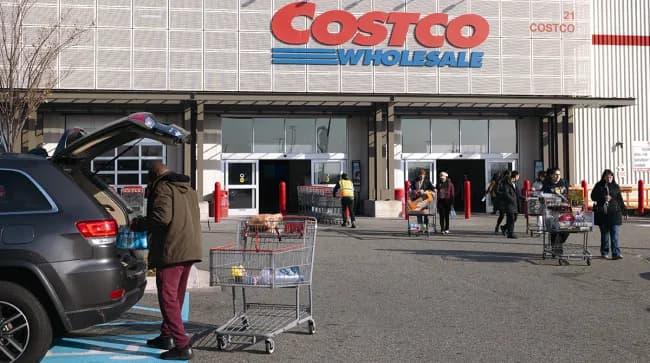

Since the Supreme Court invalidated most of the global tariffs, more than 2,000 tariff refund suits have been lodged at the U.S. Court of International Trade, creating a processing backlog that could delay refunds and squeeze the working capital of importers and freight forwarders alike.
Who’s in the litigation mix and why it matters to logistics
Large shippers and small mom-and-pop importers are both on the hook: FedEx Corp., Costco, Dyson Inc., Dollar General Corp., Bausch & Lomb Inc., Brooks Brothers, Sol de Janeiro USA Inc., units of L’Oreal SA, On Holding AG, and Skechers USA Inc. have filed suits alongside hundreds of much smaller firms. Collectively, importers paid roughly $170 billion in tariffs over the 10 months preceding the decision — funds now subject to potential repayment.
Immediate operational effects for carriers and supply chains
Expect three near-term impacts on freight operations:
- Cash-flow pressure: Importers that prepaid duties are chasing refunds; until funds move, companies may defer inventory replenishment or delay payments to carriers and warehouses.
- Administrative overload: Customs brokers, carriers, and logistics teams must track claims, maintain detailed import records, and potentially re-bill freight customers if refunds are granted.
- Contractual disputes: Retailers and suppliers could litigate over who bears tariff costs — a thorny issue for distribution agreements and forwarders acting as importers of record.
Case load and court logistics
The trade court has been automatically pausing existing cases while the Supreme Court matter concluded; reopening and adjudicating thousands of claims will be a marathon, not a sprint. Historically the court handled several thousand refund claims after a 1998 tax ruling, but the current scale is unprecedented.
| Metric | Current Status | Logistics Implication |
|---|---|---|
| Number of suits | 2,000+ | High administrative burden for customs, brokers, and carriers |
| Tariffs collected | ~$170 billion (10 months) | Major potential refunds affecting cash flow across supply chains |
| Key plaintiffs | FedEx, Costco, public & small firms | Big names encourage more filings; pressure on litigation resources |
Why big companies filing matters
When a carrier like FedEx or retailer such as Costco files, smaller importers often follow suit — partly because they figure large firms "might know something they don't." There’s also a reputational and political dynamic: big plaintiffs reduce the perceived risk of retaliation and signal to courts and lawmakers that the dispute is systemic, not isolated.
Practical steps for shippers, carriers, and forwarders
Logistics teams should act now to limit exposure and preserve refund rights. Key actions include:
- Compile and archive import documentation by shipment: entry summaries, bills of lading, invoices, and proof of payment for duties.
- Confirm who is the importer of record for each shipment and whether duty costs were passed to customers.
- Coordinate with customs brokers and legal counsel to file timely claims in the trade court if applicable.
- Review contracts with suppliers, retailers, and logistics partners to clarify who bears tariff risk going forward.
Checklist for carriers and brokers
- Audit entries from the affected tariff window.
- Flag accounts that paid duties and document communications about cost pass-through.
- Prepare templates for refund notices and customer communications.
Secondary disputes and consumer claims
The refund fight will likely spawn derivative litigation: customers who paid higher retail prices because of tariffs may pursue class actions, while importers and retailers could sue each other over cost-sharing arrangements. For logistics providers, this adds layers of complexity around invoicing, credits, and customer service — especially for parcel and pallet shipments where duties were part of the landed cost.
How carriers might handle refunds operationally
FedEx has stated that if it receives refunds, it will pass them through to the shippers and consumers who originally bore the charges. Operationalizing that promise requires robust billing reconciliation and clear communication channels with clients — no small task across thousands of accounts.
Policy signals and what to watch next
The Justice Department’s submissions to the trade court will be a key bellwether: if the government resists refunds or seeks protracted litigation, expect delays. Conversely, any administrative program to streamline mass repayments would accelerate funds returning to importers and downstream participants in the supply chain.
Key dates and decision points
- Trade court reopening timeline — watch filings and case dockets.
- Justice Department stance on refunds — determines speed and scale of repayments.
- Congressional or administrative relief proposals — could alter refund mechanics.
There’s a lot to unpack, and sure as the sun rises, the devil will be in the procedural details — think paperwork, interest calculations, and who ultimately earns the refund. For logistics teams, though, the practical reality is simple: prepare records, update contracts, and brace for a slow run.
Highlights: this development matters because it ties legal rulings directly to cash flow, billing, and supply-chain resilience. Large plaintiffs like FedEx and Costco accelerate filings, smaller firms follow, and the trade court faces a capacity test. Even the best reviews and most honest feedback can’t truly compare to personal experience. On GetTransport.com, you can order your cargo transportation at the best prices globally at reasonable prices. This empowers you to make the most informed decision without unnecessary expenses or disappointments. Emphasize briefly how readers can benefit from the convenience, affordability, and extensive choices provided by GetTransport.com.com, aligning directly with the context and theme of your article. Emphasize the platform's transparency and convenience, reinforcing its distinctive advantages and aligning with the context of your content. For your next cargo transportation, consider the convenience and reliability of GetTransport.com. Book now GetTransport.com.com
Summary: The Supreme Court ruling unleashes a wave of refund claims that will affect cargo finances, freight billing, and the broader logistics ecosystem. Importers, carriers, brokers, and retailers must track claims, preserve documentation, and clarify contractual responsibilities to manage potential repayments and customer refunds. Whether it’s a pallet, container, or bulky shipment, staying organized will reduce dispute friction and speed any eventual refunds. Platforms like GetTransport.com offer practical, affordable options for moving goods during uncertain times — from housemoves and office relocations to large-item and vehicle transport — helping shippers and forwarders keep operations reliable while navigating the fallout from this legal shake-up.