


 한국어
한국어  English (UK)
  Русский
  العربية
  日本語
日本語  Magyar
  Türkçe
  Español
  Čeština
  Svenska
  Português
  Ελληνικά
  Suomi
Suomi  Nederlands
  Română
  Italiano
  Français
  Polski
  Українська
  Deutsch
  简体中文
简体中文  Slovenčina
  Catalonia Faces User Backlash Over New VTC Legislation Affecting Mobility and Service Options">

A Wave of Concern Over the New VTC Law in Catalonia
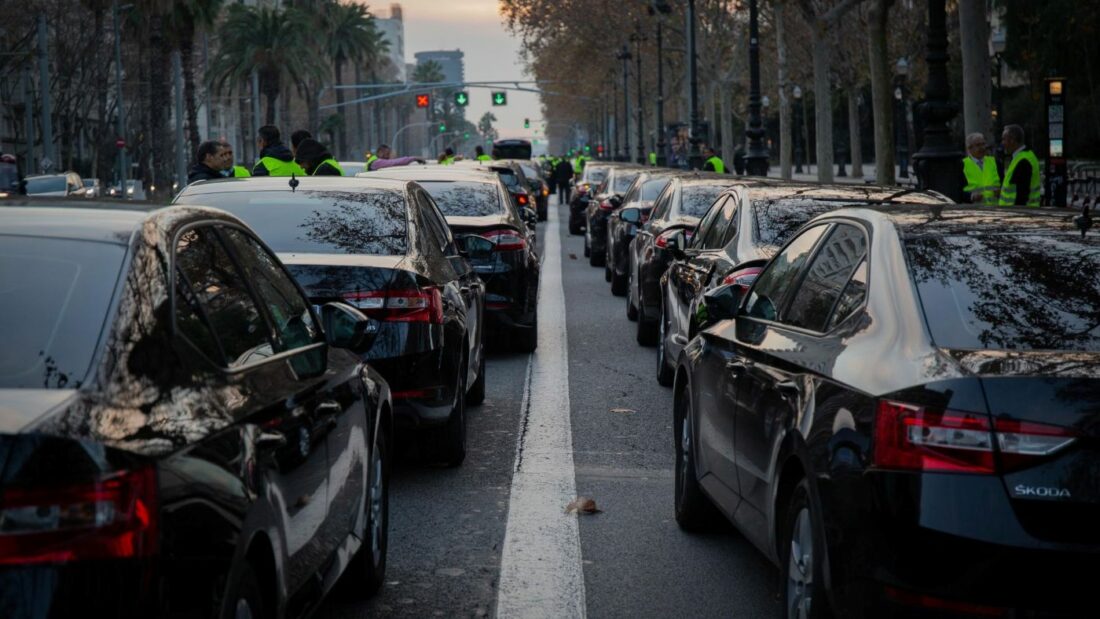
A proposed law poised to dramatically reshape the landscape of urban mobility in Catalonia has stirred a significant public outcry. More than 4,000 users of VTC (vehicle for hire with driver) services have voiced their opposition, fearing that the regulation could effectively wipe out most VTC operations by 2026, leaving taxis as the sole alternative. This move has generated considerable debate about urban transportation, user freedom, and job security in the region.
The “Tu último viaje” Campaign Captures Citizens’ Voices
Launched by Unauto VTC, the campaign “Tu último viaje” (Your Last Ride) channels the concerns of VTC users who worry about losing choice and convenience in their daily travels. The campaign employs a QR code system on vehicles across Barcelona inviting passengers to share their personal stories about how the disappearance of VTC services would affect their mobility.
Users Highlight Loss of Freedom and Convenience
Feedback from those affected emphasizes that without VTC, the urban transport offer would become severely restricted. Many emphasize that taxis alone won’t suffice due to limited availability and often unsatisfactory service. One user recounted repeatedly frustrating taxi experiences and praised VTC for improving their travel quality, urging for a fair solution that upholds freedom of choice.
Another shared how coexistence of taxis and VTC works well in other cities visited, highlighting that competition has benefited service quality and availability. Users stressed especially the importance of VTC for vulnerable groups like visually impaired individuals who rely on efficient, timely rides that traditional taxis sometimes fail to provide.
Addressing Nighttime Mobility and Safety Concerns
The challenges of nighttime travel also come to the fore. Reports describe the scarcity of taxis after late events, exacerbating safety concerns for passengers trying to get home, underlining how VTC’s presence fills a crucial gap in nighttime urban mobility.
Competition, Quality, and Employment: Key Aspects at Stake
Many users stress that healthy competition between VTC providers and taxis keeps prices fair and service standards high. The up-front pricing model typical in VTC services also appeals to many who value transparency. Worries about diminishing employment opportunities linked to the VTC sector have been voiced by both consumers and workers, highlighting fears about potential job losses and calls for regulatory frameworks that protect jobs and maintain user choice.
| Key Concerns About the VTC Law | 세부 정보 |
|---|---|
| Reduction of Mobility Options | Elimination of most urban VTC licenses, leaving taxis as the only option |
| User Freedom | Risk of losing the right to choose preferred transport services |
| Service Quality | Concerns that taxis alone do not meet demand or service expectations |
| Accessibility | Impact on vulnerable populations relying on timely VTC rides |
| Employment | Potential job losses in the VTC sector and related industries |
| Competition | Risk of monopoly favoring taxis, potentially increasing prices and reducing innovation |
Calls for Dialogue and Balanced Regulation
In response to the overwhelming feedback, Unauto VTC has asked the Catalan government to halt the legislative process and open a meaningful dialogue among all stakeholders. The goal is to develop a fair regulatory framework that balances legal certainty, the general public interest, and harmonious coexistence between taxis and VTC services.
Industry leaders underline that VTC are not just a luxury but rather an essential mobility option for thousands in Barcelona. They advocate for legislation that protects the rights of citizens to select their mode of transportation freely while safeguarding employment and service diversity.
How This Debate Intersects with Logistics and Transport Services
Though the new law specifically targets passenger transport services, its implications ripple into the broader logistics and transport sector. Urban mobility regulations can influence freight schedules, last-mile distribution, and the use of multi-purpose vehicles which often serve dual roles in passenger and cargo transport. Additionally, restrictions on certain vehicle types may affect how courier services or bulky item deliveries are conducted in metropolitan areas.
Platforms like GetTransport.com play a pivotal role here, offering diverse transport solutions that can effortlessly incorporate different vehicle types and sizes—ranging from private moves to bulky or vehicle transportation—helping navigate such regulatory landscapes with flexibility and cost efficiency.
User Experience Still Rules the Roost
The crux of the matter lies in balancing sensible regulation with user experience. Services that offer convenience, reliability, and transparency—hallmarks of many VTC operations—set expectations that can reshape urban mobility. This case in Catalonia illustrates the power of user voices in shaping transport policy and how competition can drive innovation and service quality improvements that benefit everyone involved.
What the Users Have Said: Voices from the Street
- Teresa: Frustrated with taxi services historically; VTC have improved her experience.
- Laura: Notes positive coexistence of taxis and VTC in other cities.
- Oriol: A visually impaired passenger emphasizing VTC’s role in accessible mobility.
- Yolanda: Highlights the shortage of night-time taxis, raising safety concerns.
- José: Advocates competition as a quality and price enhancer in transportation.
- Karen: A VTC sector worker warning about potential job cuts due to the law.
Personal Experience Over Everything
While reviews and conversations offer valuable insights, nothing quite compares to personal experience when choosing transportation options. Platforms like GetTransport.com allow customers to order cargo and passenger transport worldwide at competitive prices, opening a window to informed decisions without breaking the bank or facing unpleasant surprises.
The platform’s transparency, affordability, and extensive service options make it a natural fit for those navigating changing regulatory environments and diverse transport needs. 차량 서비스 예약하기 와 함께 GetTransport.com to experience hassle-free forwarding and haulage tailored to your schedule and budget.
Looking Ahead: What This Means for Global Logistics
Although the new regulation specifically affects Catalonia’s VTC services and has a limited direct impact on global logistics, it signals the evolving nature of urban transportation policies. These changes could shape future frameworks in other regions, ultimately influencing the integration of passenger and cargo mobility solutions.
GetTransport.com is committed to staying on top of such shifts to ensure clients benefit from up-to-date, reliable, and affordable transport and moving services worldwide. Start planning your next delivery or relocation and secure your cargo with GetTransport.com.
요약
The ongoing campaign against the proposed VTC law in Catalonia brings to light crucial issues of urban mobility, user freedom, and employment concerns. Thousands have voiced fears about significant limitations on transport options that would leave taxis as the sole choice, potentially degrading service quality and accessibility. Nighttime mobility and vulnerable group access further highlight the importance of maintaining multiple transport alternatives. The demand for balanced, fair regulation that respects both the needs of users and workers is clear.
This debate extends beyond passenger transport, touching on the broader logistics and delivery ecosystem where flexibility and service variety are critical. Platforms like GetTransport.com exemplify how global, reliable, and cost-effective transport solutions can thrive, supporting movers, freight handlers, and courier services with diverse vehicle fleets and tailored logistics.
For anyone navigating complex urban transport challenges or shipping bulky or valuable goods internationally, GetTransport.com offers an efficient, transparent way to manage distribution, relocation, and haulage needs.