


 한국어
한국어  English (UK)
  Русский
  العربية
  日本語
日本語  Magyar
  Türkçe
  Español
  Čeština
  Svenska
  Português
  Ελληνικά
  Suomi
Suomi  Nederlands
  Română
  Italiano
  Français
  Polski
  Українська
  Deutsch
  简体中文
简体中文  Slovenčina
  CMA CGM’s Gradual Return to Suez Canal Routes Signals a Positive Shift in Maritime Logistics">

Reopening the Gateway: CMA CGM Navigates the Suez Canal Again
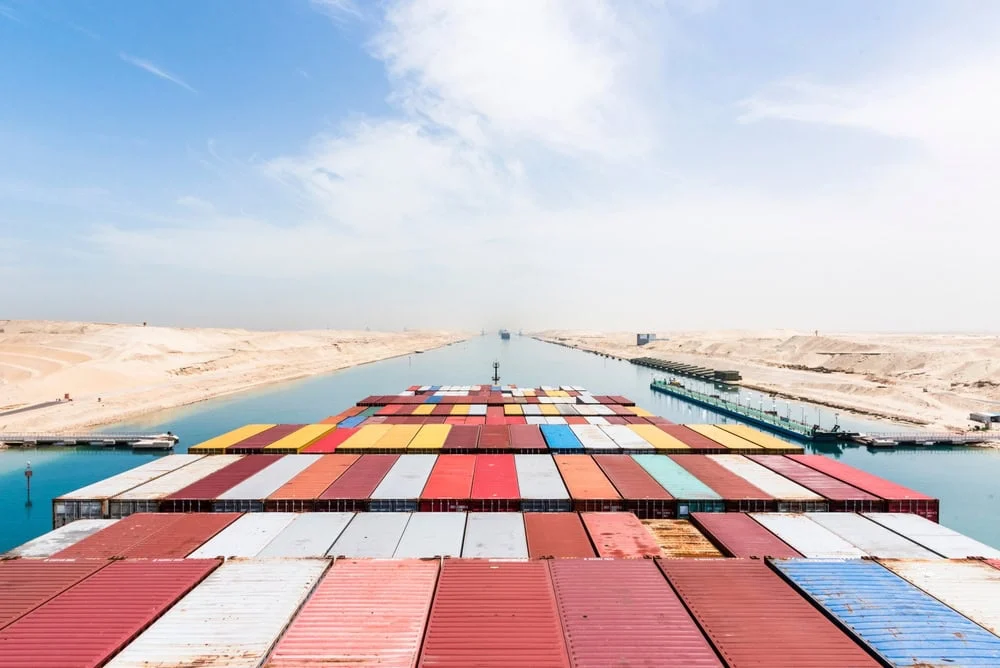
After several years of challenges caused by security concerns in the Red Sea region, CMA CGM has become the first major shipping line to reinstate regular east-west traffic through the Suez Canal. This milestone came into sharp focus in November 2025 when the massive container vessel CMA CGM Benjamin Franklin, measuring nearly 399 meters and capable of carrying about 17,859 containers, successfully traversed the canal and the critical Bab el-Mandeb Strait. Such a journey not only marked a symbolic return but also demonstrated renewed confidence in the viability and safety of this vital route.
Why This Matters: The Suez Canal’s Strategic Importance
The Suez Canal remains the shortest maritime route connecting Europe to Asia, crucially saving time compared to the longer detour around Africa’s Cape of Good Hope. In global logistics and freight movement, every hour counts—delays cost money and efficiency. Resuming container traffic through the canal means shipments can flow faster, enhancing delivery times and lowering costs for international shipping and cargo forwarding alike.
Steps Toward a Safer Passage
The improved security environment has been pivotal. Earlier disruptions saw militant activities close off many shipping lanes, prompting CMA CGM and other operators to divert vessels for safety. However, proactive measures by governments in the area, coupled with enhanced maritime security protocols, have made the Red Sea corridor safer once more. The Suez Canal Authority has also played a vital role, introducing policies such as flexible toll discounts designed to incentivize carrier lines to return and restore lost traffic volumes and revenue streams.
CMA CGM’s Calculated Approach to Resumption
Rather than jumping straight back into full operations, CMA CGM has adopted a measured approach. Starting in June 2025, the Osiris became the first large container ship to cross the canal in over a year, with additional vessels gradually following suit. CMA CGM continues a mix of transit routes, temporarily blending Suez Canal voyages with the safer though longer Cape of Good Hope passage depending on real-time assessments of regional conditions and crew safety considerations.
| 측면 | 세부 정보 |
|---|---|
| Key Vessel | CMA CGM Benjamin Franklin – 399 meters, ~17,859 TEU capacity |
| 위치 | Suez Canal and Bab el-Mandeb Strait |
| 보안 조치 | Governmental enhanced protection and flexible toll incentives |
| CMA CGM Traffic Share (Early 2025) | Approximately 19% of all container tonnage through the Suez Canal |
| Alternative Routes | Cape of Good Hope, based on safety and operational conditions |
Ripple Effects Across the Global Shipping Sector
The return journey of CMA CGM through the canal is expected to influence the broader shipping industry by encouraging more companies to reconsider Suez as a primary transit route. It promises reduced sailing times and fuel consumption, which benefit freight efficiency and environmental impact. Moreover, it helps stabilize market dynamics after years of disruption and bolsters global trade networks that rely heavily on dependable shipping lanes for everything from electronics and machinery to bulk commodities and consumer goods.
Logistics & Freight Implications for Moving Cargo
For logistics professionals and freight forwarders, this development translates into more reliable timetable planning and cost management. Faster transit times mean better synchrony with warehousing, distribution, and retail schedules. Also, the availability of flexible toll discounts can offer carriers opportunities to reduce overall haulage expenses. For businesses managing house moves, office relocations, or bulky goods shipment, this signals potential savings and greater assurance in delivery windows.
Challenges That Remain
Despite this positive shift, the situation remains fluid. CMA CGM’s commitment to crew and cargo safety might still lead to occasional route diversions depending on evolving security or operational factors. Stakeholders in logistics and shipping should continue to monitor regional developments closely to adjust plans accordingly.
Why This Move is Significant
- Strategic Reopening: Signals enhanced security and political stability in a crucial international maritime corridor.
- 효율성 향상: Enables shorter routes, significantly saving on time and shipping costs.
- Incentivized Traffic: Government discounts encourage carriers’ return, revitalizing canal traffic volumes.
- Measured Resumption: The gradual return approach balances optimism with safety concerns.
- Positive Industry Impact: Boosts confidence among shippers, forwarders, and global trade entities.
Personal Experience Over Reviews: Making the Best Choice
While expert assessments and fair critiques provide valuable insights, nothing quite beats firsthand experience when deciding on shipping routes or freight providers. Thankfully, platforms like GetTransport.com allow you to arrange cargo transportation at competitive rates across global routes, including crucial corridors like the Suez Canal. The convenience, affordability, and broad spectrum of choices empower shippers—whether moving office equipment, vehicles, or bulky parcels—to make well-informed decisions without unnecessary expense or frustration.
With GetTransport.com’s user-friendly platform, transparency in pricing, and access to reliable carriers worldwide, you can tailor your logistics needs with confidence. Whether your shipment is a pallet load or a full container, the service’s versatility supports a range of moving, forwarding, and dispatch requirements. Book your cargo transportation at the best prices globally and experience hassle-free haulage. GetTransport.com
Forecast: What This Means for Global Logistics
The CMA CGM’s return to the Suez Canal, though a significant regional development, will likely cause more of a ripple than a wave on the broader global logistics landscape. On the grand scale, many alternative shipping routes remain operational, and contingency plans are diversified across carriers. However, for companies tracking every corridor and striving for optimized supply chains, the reopening is a promising signal of stability in a vital artery of global trade. Staying informed on such developments is essential—GetTransport.com keeps pace with these shifts to help you plan freight and shipment movements intelligently.
다음 배송 계획을 세우고 화물을 안전하게 보호하세요. GetTransport.com.
마무리
CMA CGM’s careful but bold reentry into Suez Canal shipping highlights the ongoing improvements in regional security and governmental incentives aiming to restore one of the world’s most important shipping lanes. This shift not only shortens delivery times and potentially lowers costs but also signals renewed confidence in the route’s safety for crews and cargo alike. For logistics professionals and shippers, these developments translate into better options for efficient, reliable, and cost-effective freight transport.
Ultimately, platforms such as GetTransport.com align seamlessly with these trends, offering affordable, global shipment solutions that simplify moving complex cargo and large shipments internationally. Whether it’s container freight, pallets, or bulky goods, leveraging such services ensures forwarders and cargo owners can navigate these critical sea lanes with ease and peace of mind.