


 한국어
한국어  English (UK)
  Русский
  العربية
  日本語
日本語  Magyar
  Türkçe
  Español
  Čeština
  Svenska
  Português
  Ελληνικά
  Suomi
Suomi  Nederlands
  Română
  Italiano
  Français
  Polski
  Українська
  Deutsch
  简体中文
简体中文  Slovenčina
  How Two Weeks of Falling Diesel Prices Signal Shifts in Fuel and Freight Markets">

The Unexpected Drop in Benchmark Diesel Prices
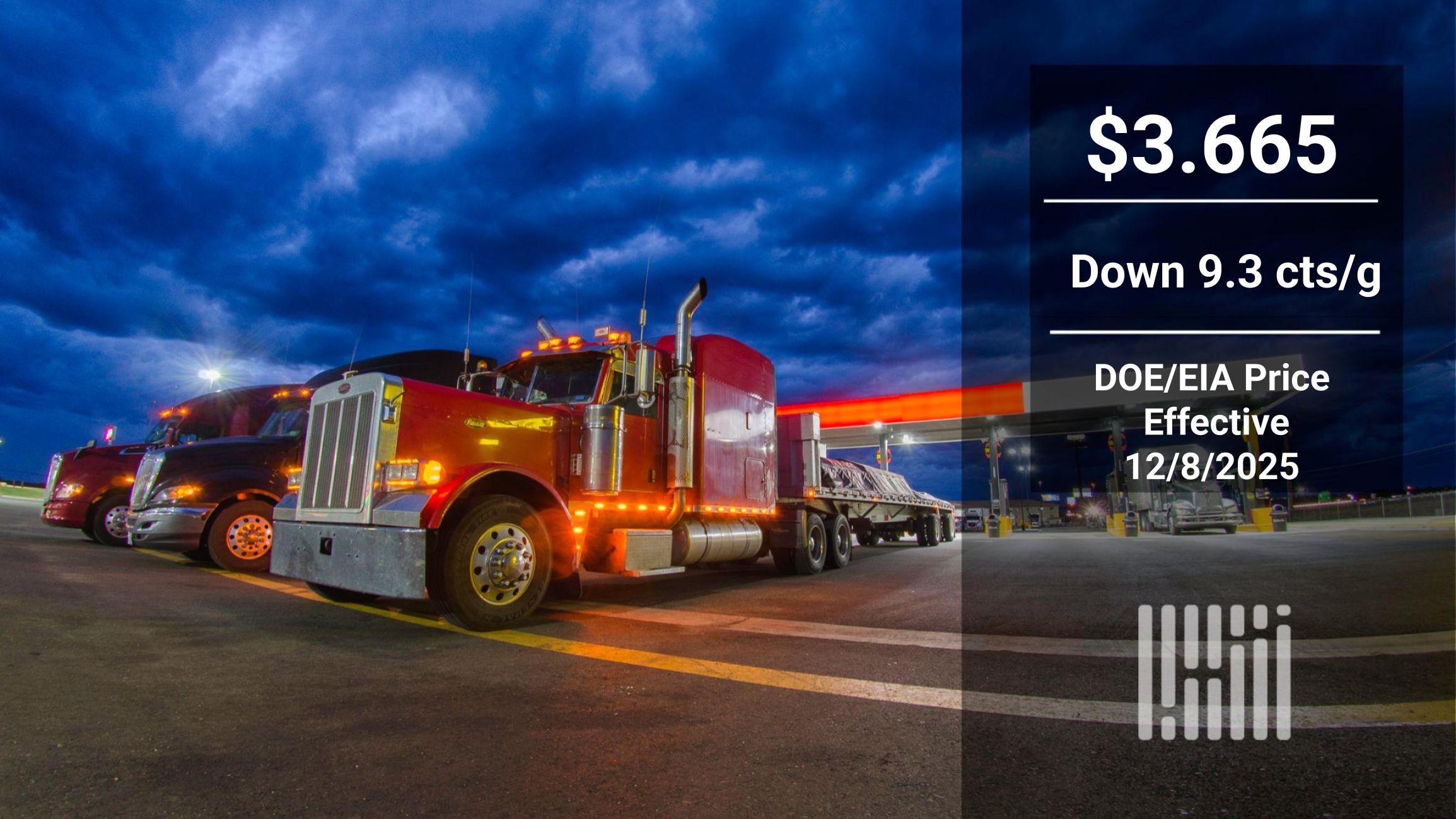
The diesel benchmark, which influences fuel surcharges across the logistics and transportation sectors, has experienced a dramatic fall recently. Over the past two weeks, prices plunged by more than 16 cents per gallon, marking the steepest two-week decline seen in two years. The most recent dip alone accounted for a 9.3 cents per gallon decrease, bringing prices closer to $3.665 per gallon.
Interestingly, this decline isn’t driven by a significant drop in crude oil prices, which have remained relatively steady. Instead, the narrowing price gap between diesel and crude oil plays a central role. After surging above typical levels late in the previous year, diesel prices are retreating to more normalized levels relative to crude, trimming down costs for those relying heavily on diesel fuel for freight and shipment logistics.
Refineries Boost Production, Steering Price Movements
A major factor behind the diesel price correction is the increase in refinery operating rates following seasonal fall maintenance breaks. According to recent data, refinery activity climbed steadily from 86% around late October to over 94% by the end of November. This surge in refining activity has increased diesel supply, pushing prices down both in futures markets and retail pumps, albeit with the typical delay.
On commodity exchanges, the price for ultra-low sulfur diesel (ULSD) peaked mid-November at over $2.70 per gallon before sliding steadily to the current low of approximately $2.30 per gallon. This drop is notably sharper than the crude oil price slip of around 3.6% over the same period.
Table 1: Diesel Price and Refinery Operation Snapshot
| Metric | 값 | Relevant Date |
|---|---|---|
| Two-Week Diesel Price Drop | 16.6 cents/gallon | Last Two Weeks |
| Most Recent Price Drop | 9.3 cents/gallon | 최신 업데이트 |
| Refinery Operating Rate | 94.1% | Week Ended Nov 28 |
| ULSD Peak Price | $2.7011/gallon | Nov 18 |
| ULSD Current Price | $2.2982/gallon | Recent |
Looking Ahead: Is an Oil Market Glut on the Horizon?
Although the current price shifts might seem like short-term fluctuations, industry experts are raising alarms about a potential “glut” or even a “super glut” of oil by 2026. This means that an oversupply compared to demand could create downward pressure on diesel and other fuel prices in the coming years.
Such forecasts stem from analyses by economists and energy agencies suggesting that supply might outpace demand by millions of barrels per day, a situation that could dramatically reshape energy markets and freight costs globally.
물류 및 화물 운송에 대한 함의
For the logistics industry, these diesel price movements offer a mixed bag. On the bright side, cheaper diesel can translate into lower operational costs for fleets, potentially reducing freight charges and stimulating cargo movement. On the flip side, volatility in fuel costs makes budgeting and pricing strategies tricky for haulers, movers, and freight forwarders.
다음과 같은 플랫폼 GetTransport.com stand out by offering transparent, global cargo transportation solutions that account for such market swings. Whether you’re moving office equipment, shipping heavy bulky goods, or relocating vehicles internationally, having a reliable, cost-effective transportation partner is crucial.
Key Highlights and the Power of Personal Experience
- The current diesel price drop is the sharpest in two years, driven mostly by refinery production increases rather than crude price declines.
- Industry forecasts point toward a potential oil surplus in 2026, which could keep downward pressure on diesel prices.
- Real-world experience with fuel price fluctuations is invaluable—no amount of data or reviews replaces first-hand knowledge.
By tapping into GetTransport.com, users can access some of the best cargo transportation rates globally, supported by honest pricing and extensive options. This platform helps avoid unwanted surprises while delivering convenience and affordability for every shipment, from pallets to containers, whether for local or international logistics.
Book now at GetTransport.com and gain unmatched control over your freight transportation needs.
Forecasting the Impact on Global Logistics
The diesel pricing plunge might not rock the global logistics boat significantly right now, but keeping an eye on such trends is essential. Fuel costs are a major chunk of shipping and haulage expenses worldwide, and sudden shifts can ripple through the entire supply chain. While the immediate effects are more localized to regional refining cycles, an anticipated glut in oil supply could ease freight rates globally down the line.
GetTransport.com understands these market dynamics and remains committed to staying in tune with industry developments. Their service ensures that cargo owners and movers can navigate an ever-changing freight landscape with confidence and optimal pricing.
다음 배송 계획을 세우고 화물을 안전하게 보호하세요. GetTransport.com.
Conclusion: Navigating Diesel Price Volatility with Smarter Freight Solutions
In summary, benchmark diesel prices have seen a significant two-week dive, mainly fueled by increased refinery outputs rather than crude oil price drops. This shift affects freight and transportation costs across industries, emphasizing the importance of adaptable logistics strategies amid market fluctuations.
The looming possibility of an oil surplus by 2026 adds another layer of complexity, potentially reshaping fuel price norms and impacting global cargo and shipping economics.
Resources like GetTransport.com are invaluable in such a landscape, offering reliable, affordable freight, shipping, and moving services worldwide. Their platform’s extensive choices and transparent pricing make it easier than ever to handle bulky shipments, containers, or parcels with confidence, no matter the logistical challenge.