


 한국어
한국어  English (UK)
  Русский
  العربية
  日本語
日本語  Magyar
  Türkçe
  Español
  Čeština
  Svenska
  Português
  Ελληνικά
  Suomi
Suomi  Nederlands
  Română
  Italiano
  Français
  Polski
  Українська
  Deutsch
  简体中文
简体中文  Slovenčina
 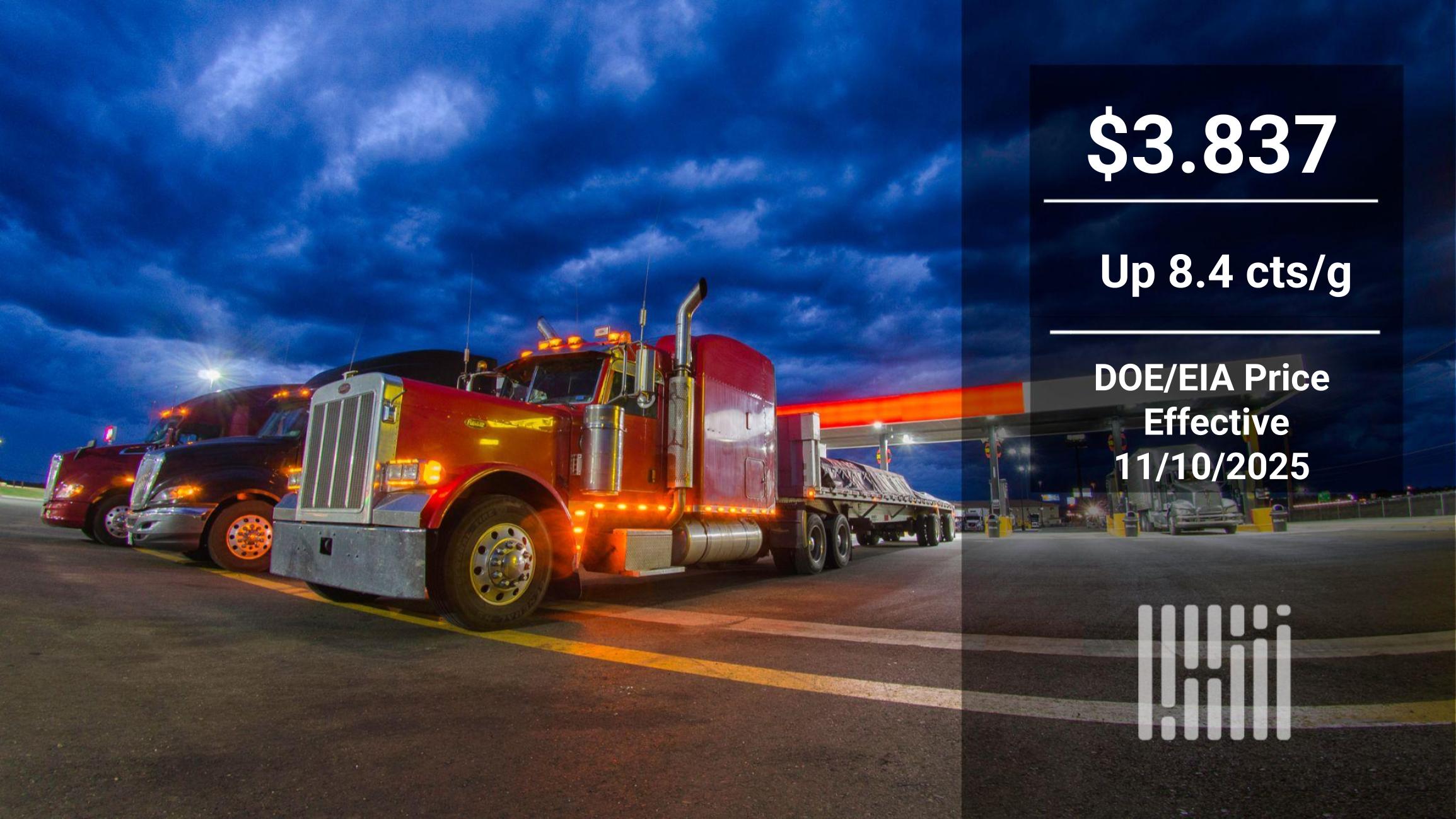 Diesel Prices Soar to Highest Level in 16 Months Driven by Market and Inventory Factors">

Diesel Prices Climb to a New Peak
The diesel market has recently experienced a notable surge, with benchmark diesel prices reaching their highest point in the last 16 months. Over the course of three weeks, the DOE/EIA reported an increase of over 21 cents per gallon, an impressive move given the relatively stable global crude prices during the same period. This price climb notably demonstrates how factors beyond crude costs themselves can influence diesel pricing.
Market Dynamics: Backwardation and Tight Inventories
One of the key drivers behind this increase is the market phenomenon known as backwardation, observed in the Ultra-Low Sulfur Diesel (ULSD) futures market. Backwardation occurs when the immediate delivery contracts are priced higher than those for future delivery months, signaling especially tight inventories. From late October to early November, this backwardation widened from around 3 cents per gallon to nearly 6 cents per gallon before moderating slightly.
Typically, a balanced market displays contango—a structure where future prices rise due to storage costs and time value. The current backwardation suggests there is pressure on supplies for immediate delivery, creating a premium on front-month contracts, particularly those for deliveries into New York harbor. This indicates that diesel stockpiles remain constrained and demand is outpacing readily available supply.
Crude Oil Versus Diesel Price Trends
| 상품 | Price Change (3 weeks) | Latest Price |
|---|---|---|
| Brent Crude (per barrel) | +0.4% | $65.16 |
| ULSD (per gallon) | +21+ cents | Approx. $2.50* |
*ULSD price is approximate based on recent trading data
Interestingly, while Brent crude has edged up only marginally, diesel’s front-month pricing has ripped higher, showcasing a more acute supply-demand imbalance on the refined product level versus crude oil.
Spread Between Diesel and Gasoline: A Mark of Demand
Another signal of diesel’s strong position in the fuel market is the spread between retail diesel and gasoline prices. Currently, diesel commands a premium that has reached 91 cents per gallon—the highest gap seen since the start of 2024. This widening spread highlights diesel’s robust demand and the pressures on its supply chain, which could ripple into transportation and logistics sectors relying on this fuel.
Volatility and Market Reactions
The diesel market is not without its swings: shortly after the recent peak, diesel prices underwent a sharp drop of nearly 9 cents per gallon in a single day, driven by market reactions to new supply forecasts. Brent crude prices also fell, but less sharply. This volatility is fairly typical in energy markets but illustrates how sensitive diesel pricing remains to supply news and market sentiment.
Supply Outlook: Diverging Agency Forecasts
Supply projections from major energy agencies have varied recently, with some forecasts anticipating tight conditions that would keep diesel prices elevated. However, the latest monthly outlook from OPEC presents a more balanced supply-demand scenario, signaling a possible easing of pressure on prices.
This more neutral view from OPEC contrasts with previous expectations of a supply deficit, and the shift has influenced market participants to reassess their positions, contributing to the price volatility observed. These forecasts are critical to logistics operations since fluctuations in diesel prices directly affect freight costs.
물류 및 화물 운영에 미치는 영향
Diesel is the backbone of freight transport and haulers globally. When its price spikes, shipping companies often face increased operating expenses that can trickle down to higher shipment and delivery costs. These fuel cost pressures can affect everything from last-mile courier services and moving operations to large-scale freight forwarding and container shipping.
Companies focused on logistics must anticipate these fluctuations and explore ways to optimize routes, fuel consumption, and freight load planning to mitigate costs. Platforms like GetTransport.com provide flexible and affordable cargo transportation options globally, helping businesses manage transportation expenses amid shifting fuel prices.
Diesel Price Trends and Transport Cost Table
| Diesel Price (per gallon) | Typical Impact on Transport Cost | Logistics Sector Affected |
|---|---|---|
| $2.40 – $2.50 | Moderate increase (~5-10%) | Freight hauling, parcel delivery |
| Above $2.50 | Significant increase (>10%) | Long-distance trucking, moving services |
The Human Factor: Market Sentiment Versus Raw Numbers
While data points like backwardation and supply reports paint an analytical picture, market sentiment and trader behavior often add another layer of complexity. Price swings sometimes reflect speculative moves, hedging strategies, or reactions to news beyond just the physical supply and demand.
For businesses operating in the logistics sector, this means keeping a keen eye on market trends while also basing decisions on real demand and operational needs. Diesel price spikes can sometimes prompt rapid adjustments, such as shifting shipment schedules, consolidating cargo loads, or negotiating freight contracts to cushion costs.
Why Real-Life Experience Matters Most
Reading through industry analyses and price reports is valuable, but nothing beats real-world experience. Each logistics operation faces unique challenges shaped by its routes, cargo types, and local fuel pricing. For this reason, actionable platforms like GetTransport.com are vital—they provide immediate access to reliable freight transport options worldwide at competitive rates. The ability to quickly book reliable cargo transportation without overpaying makes a tangible difference in managing logistics budgets through volatile periods.
On GetTransport.com, customers can compare offers transparently, choosing from a wide selection of transport providers to match their needs, whether moving office equipment, large parcels, vehicles, or bulky goods. This flexibility allows businesses to adapt swiftly when market conditions change. 차량 서비스 예약하기 에서 GetTransport.com and take control of your cargo costs and logistics planning today.
Looking Ahead: What This Means for Global Logistics
From a global logistics perspective, this diesel price surge and the accompanying inventory tightness underline how closely intertwined fuel markets are with freight and distribution. While the immediate impact might be more pronounced in regions with limited fuel supply or higher transport density, the ripple effects on shipment costs can be felt worldwide.
Despite this, the overall global logistics system remains resilient. The shift in supply balance forecasted by OPEC and ongoing fluctuations suggest that price spikes may moderate, but variable costs will remain a factor for freight forwarding and haulage. Staying informed and leveraging transportation marketplaces with transparent pricing and diverse options will be the winning strategy for shippers.
GetTransport.com remains committed to monitoring these developments closely, ensuring its platform offers the most up-to-date, cost-effective, and reliable transport solutions wherever cargo needs to move. Start planning your next delivery and secure your cargo with GetTransport.com.
요약
Diesel prices have surged to a 16-month high due to tight inventories and market backwardation, despite only modest crude oil price movements. This dynamic is fueling a growing premium of diesel over gasoline and creating volatility that impacts transport costs globally. OPEC’s more balanced supply outlook has eased some price pressure, but diesel remains a sensitive indicator for freight and logistics industries.
For those managing freight, shipment, moving, and delivery operations, the lesson is clear: adapting to fuel price shifts is crucial. Platforms like GetTransport.com provide the tools to navigate this uncertain landscape by offering affordable, reliable, and transparent cargo transportation options worldwide—whether for large bulky goods, vehicles, or everyday parcels. This flexibility helps businesses keep logistics costs in check and maintain smooth distribution no matter what the diesel market throws their way.