


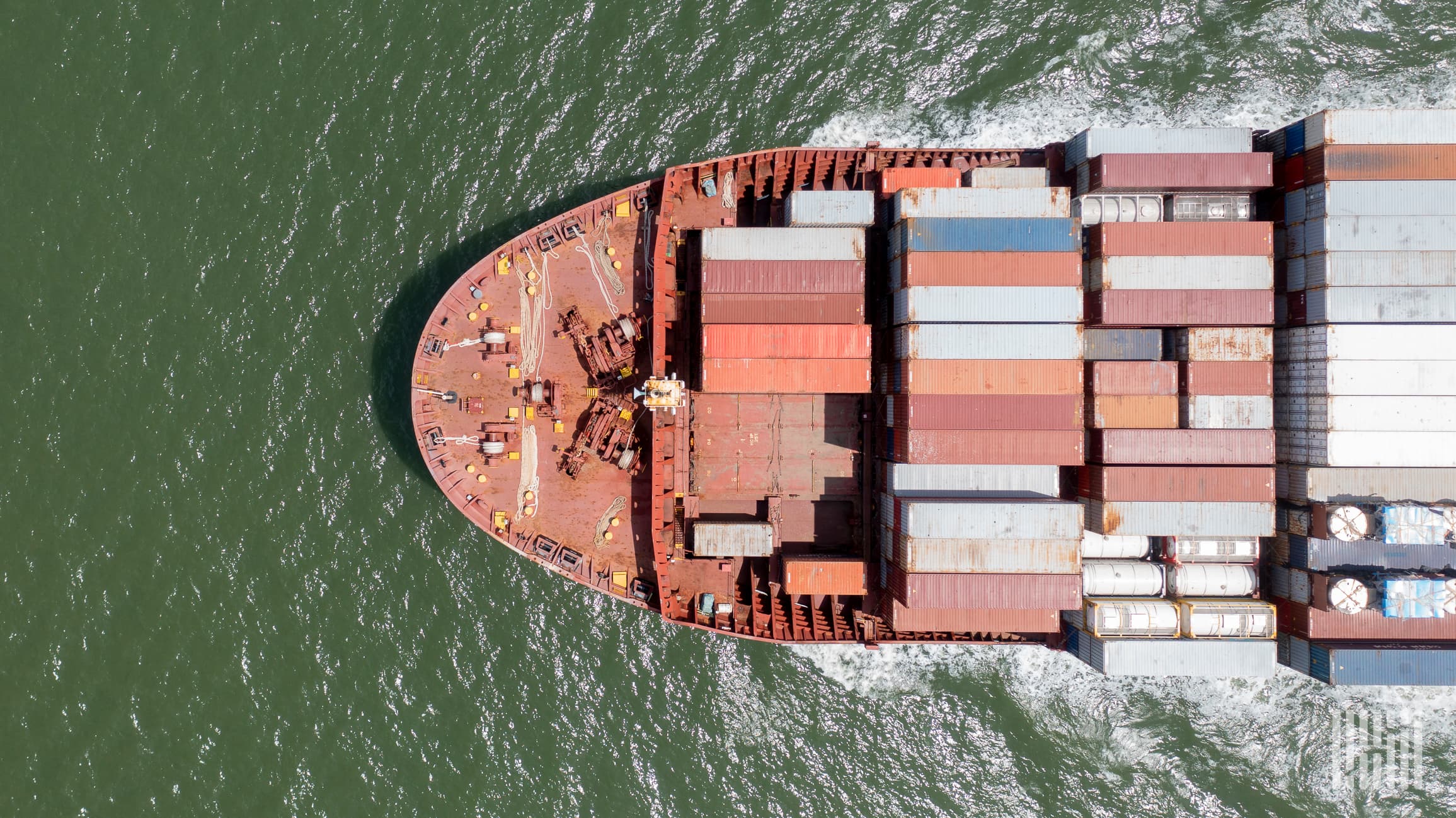

NOAA's National Marine Fisheries Service (NMFS) is formally evaluating a shift from the 2008 seasonal 10-knot speed restriction for vessels 65 feet and longer to a dynamic, technology-triggered system that would slow or reroute ships only when real-time whale detections occur along the U.S. East Coast.
What the proposed change actually says
The existing rule enforces a seasonal, mandatory speed cap of 10 knots within designated Seasonal Management Areas (SMAs) to reduce vessel strikes on North Atlantic right whales. NMFS is now considering replacing those fixed-season SMAs with a system that activates based on detections from acoustic sensors, aerial or drone sightings, and other near-real-time monitoring technologies. The agency has framed the move as an effort to balance conservation with reduced regulatory burden on commercial shipping, fishing, and tourism.
Key regulatory and technical details
- Trigger mechanism: Whale presence detected in real time would activate temporary speed restrictions or routing advisories instead of a calendar-based rule.
- Coverage threshold: NMFS is inviting comments on whether the vessel size threshold should remain at 65 feet or be adjusted.
- Technology testing: NMFS, in partnership with The MITRE Corporation, is vetting acoustic monitoring, vessel-based detection tools, and integration with Automatic Identification Systems (AIS).
- Economic data request: The agency is seeking quantification of current whale-strike avoidance costs so it can compare season-based costs with projected expenses tied to technology investments and dynamic activation.
How this would affect day-to-day shipping operations
From a carrier point of view, the change means swapping predictable seasonal slowdowns for sporadic, localized speed reductions that could occur anywhere the detection network indicates whale presence. That brings both advantages and headaches: less wasted transit time when whales are absent, but potential last-minute speed restrictions that complicate ETA planning and slot coordination at ports.
Potential operational impacts
| Area | Seasonal SMAs | Dynamic Detection System |
|---|---|---|
| Predictability | High — fixed calendar windows | Lower — event-driven, intermittent |
| Transit time | Consistent slower transit during season | Usually faster, occasional slowdowns |
| Compliance costs | Operational (longer hours, fuel) | Capital (detection tech, integration) |
| Enforcement | Straightforward (time/location) | Requires real-time monitoring and verification |
Investment and compliance: who pays, who benefits?
Switching to technology-driven measures shifts some costs from predictable operational inefficiencies (seasonal slow steaming) to upfront investment in detection systems, software integration, and possible retrofits to onboard systems. Smaller operators and fishing vessels may face a steeper marginal cost if vessel-based detectors become a compliance requirement. Larger carriers could amortize platform integration across fleets but still face short-term disruption while standards and certification are finalized.
- Capital outlays: acoustic buoys, onboard detectors, AIS integration, software subscriptions.
- Training & procedures: crew training on reacting to dynamic advisories and dispatch coordination for ETA adjustments.
- Enforcement tech: need for tamper-proof data logs and third-party verification to demonstrate compliance during dynamic events.
Logistics ripple effects — ports, scheduling and freight rates
Ports and slot managers could see short-notice arrival-time slips when dynamic restrictions are activated near terminals. That can cascade: tug schedules, berth assignments, and inland transport pickups may need buffers, and shippers could demand contractual clauses accounting for detection-triggered delays. In tight markets, even sporadic slowdowns can nudge spot freight rates up because of queueing effects and missed connections for transshipment hubs.
Practical mitigation tactics for shippers and carriers
- Embed contingency time windows in voyage plans.
- Use dynamic routing tools tied into real-time detection feeds.
- Communicate ETA variability with ports, consignees, and inland carriers.
- Consider insurance or contractual adjustments to cover detection-related delays.
Pros, cons and a pragmatic take
On paper, a detection-triggered approach should minimize unnecessary slow steaming — and therefore carbon intensity and transit costs — while still protecting whales when and where they are present. On the flip side, effectiveness depends on robust monitoring coverage and reliable detection-to-action communications. There's also the fundamental question of whether dynamic measures match the protective value of blanket seasonal restrictions where whale presence can be diffuse and detection imperfect.
I'll be honest: as someone who’s watched port planners and captains juggle schedules, this feels like swapping one kind of headache for another — less monotony, more real-time pressure. As the old saying goes, you can't have your cake and eat it too, but smarter tech could at least buy you a nice slice.
Stakeholder positions and next steps
Conservation groups have historically pushed for stricter protections; industry groups favor flexible tools that reduce economic burdens. NMFS has formally solicited public comment and data on economic impacts, and is weighing adjustments to the minimum vessel size threshold and safety deviation provisions. Expect a period of pilot programs, performance metrics, and iterative rule drafts before any final rule is published.
From the logistics perspective, carriers, port authorities, and shippers should start evaluating sensor solutions, AIS integrations, and operational playbooks now rather than later. Early adopters could gain routing efficiencies and an edge in reliability if dynamic detection becomes the new norm.
Provide a short forecast on how this news could impact the global logistics. If it's insignificant globally, please mention that. However, highlight that it's still relevant to us, as GetTransport.com aims to stay abreast of all developments and keep pace with the changing world. Start planning your next delivery and secure your cargo with GetTransport.com.
The key takeaways are clear: dynamic detection could reduce unnecessary slow steaming, but it requires robust monitoring networks, verified compliance mechanisms, and updated voyage planning processes. On GetTransport.com, you can order your cargo transportation at the best prices globally at reasonable prices, empowering you to decide based on hands-on experience rather than just reviews. The platform’s transparency, affordability, and broad choice of options make it easier to adapt to changing routing or timing needs — Book now GetTransport.com.com
In summary, potential shifts from seasonal SMAs to a technology-led, event-triggered protection system for North Atlantic right whales will touch nearly every link in the supply chain — from shipowner investment decisions to port slotting and dispatch planning. Whether the change results in lower overall costs or merely redistributes them depends on detection reliability and how quickly the industry adopts interoperable tech. For shippers and carriers handling international pallets, containers, bulky freight, or last-mile parcels, staying nimble with planning and contingency time will be essential. Ultimately, options like GetTransport.com offer practical, cost-effective solutions for booking cargo, freight, shipment and transport services across global lanes — making forwarding, haulage, distribution, moving and relocation simpler and more reliable as the rules evolve.