


 한국어
한국어  English (UK)
  Русский
  العربية
  日本語
日本語  Magyar
  Türkçe
  Español
  Čeština
  Svenska
  Português
  Ελληνικά
  Suomi
Suomi  Nederlands
  Română
  Italiano
  Français
  Polski
  Українська
  Deutsch
  简体中文
简体中文  Slovenčina
 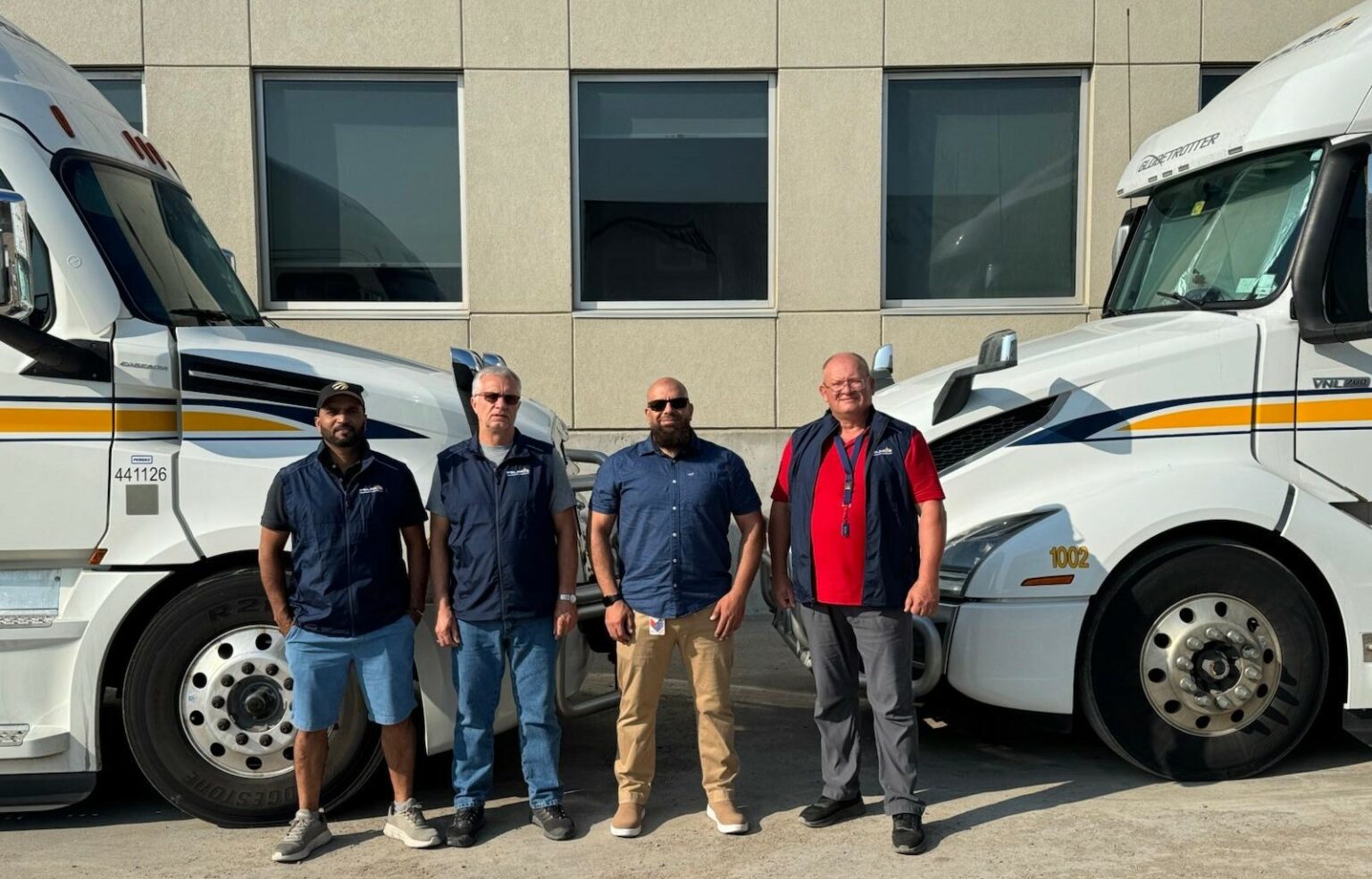 Inside Canadian Fleets’ Emergency Response: Training, Technology, and Planning in Action">

Mastering Emergency Response on the Road
Emergencies on the road come in all shapes and sizes—from wildfires that surround highways and heavy snowstorms reducing visibility, to border closures and tech glitches that can throw a wrench in any driver’s day. Canadian fleets are setting a high bar by weaving continuous training, cutting-edge 기술, and strategic 계획 into their daily routines, helping drivers stay cool under pressure and keep operations moving.
Defining the Emergency Landscape
One company, Polaris Transportation Group based out of Mississauga, Ontario, categorizes emergencies into five buckets: natural disasters, civil disturbances, roadside issues, cross-border or regulatory events, and tech or infrastructure failures. This structured approach serves as the backbone for their response planning.
Operations at Polaris emphasize a straightforward mantra for both management and drivers: “Expect the unexpected.” This mindset prepares teams not just for the big, headline-grabbing disasters but also the everyday hiccups that can escalate if left unchecked.
Training Programs That Flex and Adapt
Training at Polaris starts right at onboarding and keeps rolling with quarterly refreshers, hands-on demos, and simulator drills echoing real-world events like recent wildfires and major convoy actions. What’s unique here is the balance—while the program is structured enough to cover essentials thoroughly, it’s flexible to evolve as new incidents and near-misses provide fresh lessons.
Behind the scenes, an Accident Review Committee made up of folks from operations, HR, safety, and logistics gathers insights to continuously shape the training content toward what drivers face on the ground.
Sometimes this even involves learning from vulnerability. For instance, when a driver openly admitted to freezing briefly during a sudden stop event, Polaris took that as a cue to expand their emergency training to cover such natural, split-second human reactions.
Onboarding and Beyond at Kriska Transportation Group
Meanwhile, Kriska Transportation Group’s onboarding programs put a major emphasis on accident protocols and clear communication lines. New drivers get intensive six-week in-cab training plus shadow runs, where a more experienced driver follows closely along to provide guidance.
- Special attention is given to winter driving hazards—think icy roads and heavy snowfalls—arming less experienced drivers with confidence.
- Emergency response and reporting procedures are drilled in frequently.
Technology: The Unsung Hero of Emergency Response
Technology is no longer a luxury but a lifeline. Kriska fits their trucks with Isaac Instruments tablets featuring built-in emergency buttons that connect drivers instantly to 24/7 security support. A quick tap alerts dispatch and can escalate to emergency services with pinpoint location data.
Their attention to safety doesn’t stop there—carbon dioxide detectors in cabs have proven their worth, detecting dangerous gas buildup early and guiding drivers to safer parking spots.
Polaris leverages AI-powered routing software that integrates weather data in real time, dynamically steering trucks around wildfires or hazardous conditions, underscoring how smart technology directly impacts freight safety and efficiency.
Plus, their drivers stay connected through telematics and even WhatsApp groups, exchanging on-the-fly updates that keep everyone informed and prepared.
Dispatcher Experience Shapes Driver Support
Behind every driver, there’s a dispatcher whose understanding can make or break a tough day on the road. At Polaris, dispatchers are required to spend time riding in trucks themselves, gaining firsthand insight into what drivers encounter daily. This strategy aims to build empathy and reduce conflict between office and road staff.
There’s talk of making this more systematic, with dispatchers spending two days each quarter driving both straight trucks and 18-wheelers.
Round-the-Clock Support Is Key
Kriska complements their tech with fully dedicated 24/7 security and breakdown teams. The security desk triages incidents swiftly while breakdown services arrange everything from towing to hotels and rescue drivers ensuring that stranded drivers get help pronto.
Supporting drivers’ mental readiness and well-being is another layer of preparedness. Post-incident assistance programs are in place at Kriska, acknowledging that trauma on the road isn’t just about physical safety.
Real-World Outcomes Speak Volumes
All these efforts come with powerful results. A Kriska driver once rescued a family from a burning car shortly after assisting them—talk about quick thinking in a critical moment. Polaris drivers have also gone above and beyond, pausing on tight schedules to help motorists during severe weather until emergency responders arrive.
Summary Table: Key Elements in Canadian Fleets’ Emergency Preparedness
| 카테고리 | 세부 정보 |
|---|---|
| Training | Onboarding, quarterly refreshers, simulator drills, shadow runs, winter hazard programs |
| 기술 | Emergency buttons, AI-based routing, carbon dioxide detectors, telematics, real-time communication networks |
| 지원 | 24/7 security desk, towing and rescue teams, mental health assistance, dispatcher truck rides |
| Emergency Categories | Natural disasters, civil disturbances, roadside emergencies, cross-border/regulatory, tech failures |
Why This Matters for the Logistics World
In logistics, timing and safety are everything. When fleets dig deep into preparedness—from training every driver to handling a roadside crash to using technology that reroutes around hazards—they’re not just protecting lives, they’re safeguarding cargo integrity and delivery schedules. This kind of proactive approach sets industry benchmarks for resilience in an unpredictable world.
Choosing the Right Transport Partner Matters
The importance of transparent, reliable, and responsive logistics partners shines through when emergency readiness tips the balance between delays and smooth shipment down the line.
While reviews and feedback offer clues, nothing compares to firsthand experience when choosing a transportation service. GetTransport.com empowers shippers and movers around the globe by providing access to a broad range of affordable, reliable cargo transportation options. Whether you’re moving office gear, delivering large furniture pieces, or hauling heavy-duty freight internationally, GetTransport.com offers convenience, extensive choices, and competitive rates that align perfectly with the logistical demands highlighted here. 차량 서비스 예약하기 or freight haul with GetTransport.com and rest easy knowing your cargo is in capable hands.
Looking Ahead: The Road for Logistics
이러한 비상 대비 훈련은 현재 캐나다 물류 현장을 형성하고 있지만, 그 영향력은 국경을 넘어 확장됩니다. 전 세계적으로 물류 회사들은 훈련, 기술, 전담 지원 통합은 혼란에도 불구하고 지속적인 화물 운송을 보장하는 데 필수적이라는 점을 점점 더 인식하고 있습니다.
광범위한 물류 커뮤니티의 경우, 이러한 전략을 수용한다는 것은 자연 재해에서 시스템 중단까지 모든 상황을 견딜 수 있는 미래를 구축하는 것을 의미합니다. 그러한 개발에 앞서 나가야 하는 것은 매우 중요하며, GetTransport.com과 같은 플랫폼은 이러한 변화하는 요구사항에 발맞춰 격동의 시기에 운송업체에게 신뢰할 수 있는 파트너를 제공합니다. 다음 배송 계획을 시작하고 GetTransport.com으로 화물을 확보하십시오.
마무리
광범위한 운전자 교육, 혁신적인 기술 활용, 견고한 지원 네트워크 제공은 선도적인 캐나다 운송 업체 내 현대 비상 대응의 핵심입니다. 이러한 요소들은 운전자의 안전뿐만 아니라 예기치 않은 사건이 발생하더라도 화물 보호와 적시 배송을 보장합니다. 물류의 복잡한 영역을 탐색하는 사람들에게는 GetTransport.com과 같은 플랫폼이 전 세계적으로 간소화되고 비용 효율적인 운송 솔루션을 제공하여 부피가 큰 화물, 이사, 화물 파셀을 이전하는 것을 그 어느 때보다 쉽고 안정적으로 만듭니다.