


 한국어
한국어  English (UK)
  Русский
  العربية
  日本語
日本語  Magyar
  Türkçe
  Español
  Čeština
  Svenska
  Português
  Ελληνικά
  Suomi
Suomi  Nederlands
  Română
  Italiano
  Français
  Polski
  Українська
  Deutsch
  简体中文
简体中文  Slovenčina
 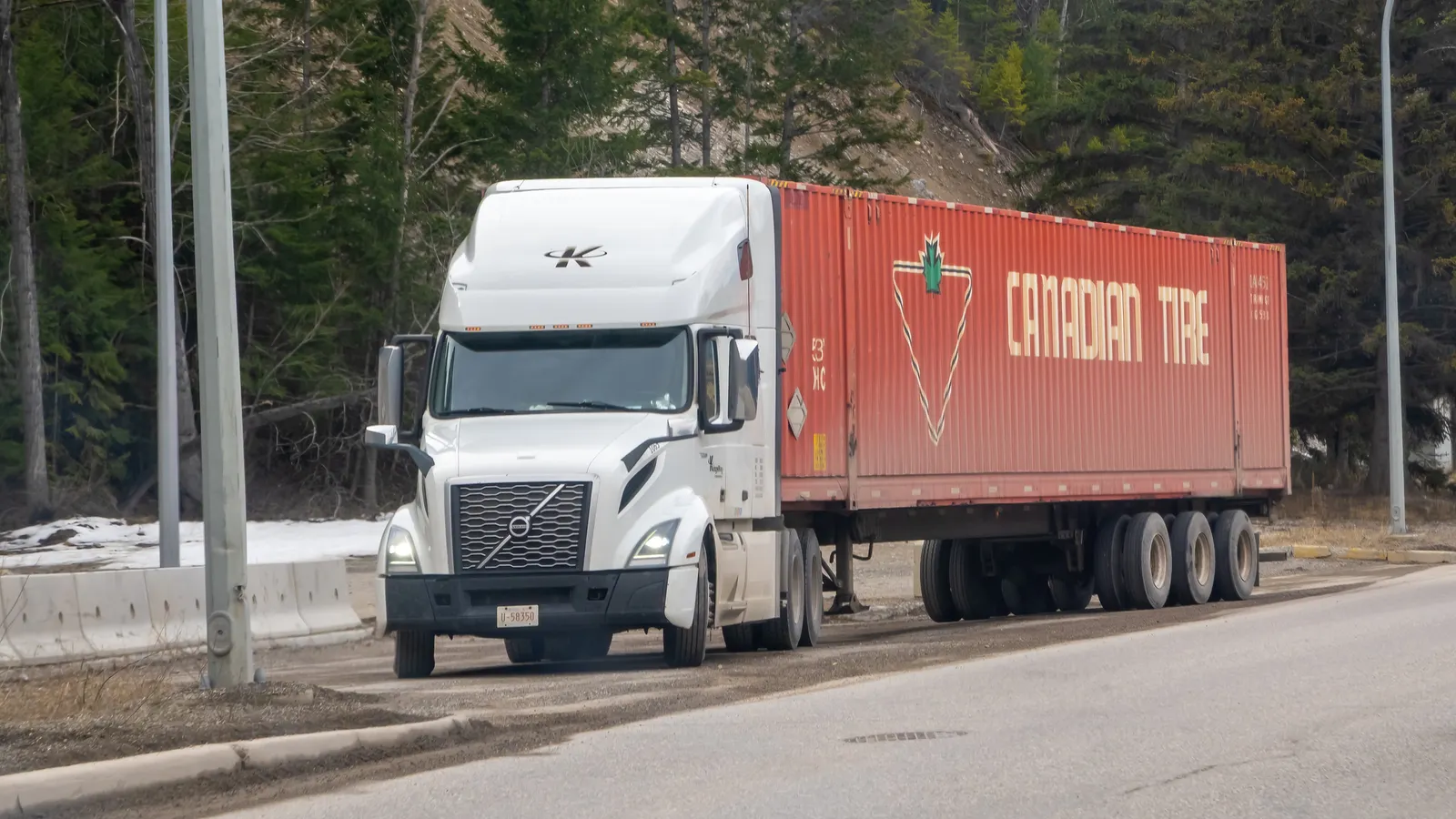 Volvo Trucks North America는 화물 시장 동향 및 플릿 갱신 과제에 대해 논의합니다.">

Freight Demand Outlook: Steady But Challenging Times Ahead
The trucking sector’s freight demand continues to navigate a prolonged downturn that’s stretched over the past three years. According to industry leadership, demand in the near future — specifically the first half of 2026 — is expected to remain largely unchanged from current levels. This perspective highlights the cyclical nature of the transport business, where periods of slower activity inevitably give way to growth phases.
This near-term outlook does not come from a place of doom but rather a realistic acknowledgment of the market’s rhythms. The freight industry, tightly interwoven with economic ebbs and flows, tends to mirror broader economic activity. When the economy gains momentum again, the transport sector will naturally experience a rebound, reigniting freight volumes across the board.
The Cyclical Dance Between Economy and Transport
The relationship between economic cycles and freight volumes is more than just coincidental; it’s practically scripted. As production ramps up, retail demand surges, and manufacturing output rises, the need for shipping to fulfill these activities spikes accordingly. During downturns, cautious spending and inventory optimization tend to slow transportation needs.
Shippers and logistics providers keep a keen eye on these oscillations, planning fleet operations, equipment purchases, and resource allocation to stay lean but ready when the tides turn. The wise saying, “Make hay while the sun shines,” fits snugly here—not just about seizing good times, but also about preparing through strategic decisions during slower spell.
Concern Over Aging Fleets and Replacement Decisions
One of the pressing concerns voiced by the truck manufacturing leadership is the advancing average age of trucks in North American fleets. Sitting roughly between 6.6 and 6.8 years, the average vehicle age is creeping toward a critical threshold where maintenance expenses escalate, and operational efficiency tends to dip.
When trucks reach around seven years old, many fleet operators find it economically sensible to invest in new vehicles. Older trucks invite increasingly frequent repairs and downtime, which ironically costs more than new acquisition over time. This replacement decision is a key driver for the sales pipelines of manufacturers and a bellwether for future freight capacity expansions.
Table: Average Fleet Age and Replacement Impact
| Metric | 값 | Implications for Transport |
|---|---|---|
| Average Fleet Age | 6.6 – 6.8 Years | Near critical maintenance threshold |
| Replacement Age Benchmark | Approximately 7 Years | Increased new truck purchases |
| Maintenance Costs | Increase sharply after threshold | Economic case for fleet renewal |
Impact of Regulatory and Tariff Factors
Uncertainties related to changing policies also play a significant role in the logistics and trucking scene. For example, upcoming 2027 emissions regulations present a complex compliance challenge. Currently, the permissible levels of nitrogen oxides (NOx) for heavy-duty trucks are set to drop dramatically from 0.20 grams per brake horsepower-hour to a mere 0.035 grams. This tightening standard demands innovation in engine designs and after-treatment technologies.
Additionally, tariff policies impact production costs and supply chains. However, the fact that Volvo Trucks produces all its vehicles domestically in the U.S. shields it from some tariff complications expected to hit competitors relying on Mexican production facilities. That said, the import of certain parts still introduces cost pressures, though Volvo has absorbed much of this expense so far.
Key Factors Influencing Truck Manufacturing
- Domestic Production: Full U.S.-based truck assembly minimizes tariff exposures.
- Parts Importation: Essential parts imported increase production costs.
- Emissions Compliance: Looming 2027 NOx limits enforce stricter engineering requirements.
- Competitor Challenges: Some rivals affected more by cross-border manufacturing.
What This Means for Logistics and Freight Transport
The present landscape hints at a tricky period for freight logistics, marked by steady but unimpressive volumes, aging vehicle fleets on the brink of renewal, and looming regulatory hurdles. For logistics operators, the key challenge is how to remain efficient and cost-effective during these quieter times while positioning fleet capabilities to ramp up quickly when demand recovers.
Efficient planning, flexible capacity management, and strategic investment in newer, compliant vehicles will be crucial. This mix ensures operators can avoid bottlenecks and service gaps when shipment volumes eventually rise again. It’s a juggling act of managing maintenance costs, navigating regulatory compliance, and preparing for market recovery.
Potential Implications Table for Logistics Providers
| Industry Aspect | 현재 영향 | 향후 고려 사항 |
|---|---|---|
| Freight Demand | Flat to slightly subdued through early 2026 | Expected to rebound with economic growth |
| Fleet Age | Near replacement threshold; increased maintenance | Opportunities for modern fleet incorporation |
| 규정 준수 | Anticipation of stricter emissions standards | Need for investment in green technologies |
| Tariffs and Costs | Some cost pressures via parts imports | Competitive advantage for domestic producers |
Why Personal Experience Beats All — and How GetTransport.com Fits In
While industry reports and leadership forecasts offer valuable guidance, nothing beats firsthand experience with freight and transport services. True understanding comes from engaging with providers and navigating the realities of cargo movement—whether it’s office relocations, moving bulky equipment, or international shipments.
Platforms that aggregate affordable, global transport options stand out for convenience and transparency. GetTransport.com, for instance, brings together a wide variety of transport solutions under one roof. Whether you need to move large furniture across states or dispatch vehicles internationally, this platform helps simplify and reduce the cost of hauling. This empowers logistics planners and cargo owners alike to make sound, cost-effective choices without the guesswork.
광범위한 네트워크, 경쟁력 있는 가격, 그리고 사용자 친화적인 인터페이스를 갖춘 GetTransport.com은 오늘날 운송 환경의 요구와 기회에 완벽하게 부합합니다. 차량 서비스 예약하기 on GetTransport.com.
미래를 내다보며: 화물 시장 및 물류 진화 예측
글로벌 물류는 화물 시장이 경제 성장과 함께 회복됨에 따라 점진적으로 혜택을 받을 것으로 예상됩니다. 일률적인 변화보다는 꾸준한 상승세입니다. 미묘한 단기 정체에도 불구하고, 업계 관계자들은 선대 교체 및 규제 요구에 의해 추진되는 혁신에 힘입어 회복의 불가피성을 인정하고 있습니다.
북미 트럭 운송의 성장 둔화가 전 세계적으로 미치는 직접적인 영향은 미미해 보일 수 있지만, 미래 지향적인 물류 운영의 경우 이러한 변화에 주목하는 것이 중요합니다. GetTransport.com과 같은 플랫폼은 변화하는 시장의 요구 사항에 맞는 효율적이고 비용 효율적인 운송 및 이동 솔루션을 제공함으로써 기업이 이러한 변화에 대처할 수 있도록 지원할 준비가 되어 있습니다.
다음 배송 계획을 세우고 화물을 안전하게 보호하세요. GetTransport.com.
요약
트럭킹 환경은 현재 2026년 초까지 지속될 것으로 예상되는 3년간의 화물 수요 감소에 정의되며, 이는 더 넓은 경제 주기를 반영합니다. 중요한 유지 보수 임계값에 근접한 노후화된 차량들은 약 7년 차에서 갱신의 경제적 타당성을 바탕으로 향후 신규 트럭 구매의 물결을 예고합니다. 특히 2027년 배출 기준과 같은 규제적 어려움은 제조 및 차량 업그레이드에 영향을 미치는 복잡성을 더할 것입니다. 관세는 부품 비용에 영향을 미치지만 국내 생산은 일부 제조업체에게 경쟁 우위를 제공합니다. 물류 주체들은 시장 호황에 대한 준비와 함께 비용 효율성을 균형 있게 유지해야 하며, GetTransport.com과 같은 다재다능하고 저렴한 배송 및 운송 솔루션을 제공하는 플랫폼이 필수적인 역할을 합니다. 이러한 서비스는 현재의 격차를 해소하고 향후 화물 급증에 대비하여 변화하는 경제 및 규제 환경에서 광범위한 화물 유형에 대한 안정적이고 맞춤화된 운송을 보장합니다.