


 한국어
한국어  English (UK)
  Русский
  العربية
  日本語
日本語  Magyar
  Türkçe
  Español
  Čeština
  Svenska
  Português
  Ελληνικά
  Suomi
Suomi  Nederlands
  Română
  Italiano
  Français
  Polski
  Українська
  Deutsch
  简体中文
简体中文  Slovenčina
 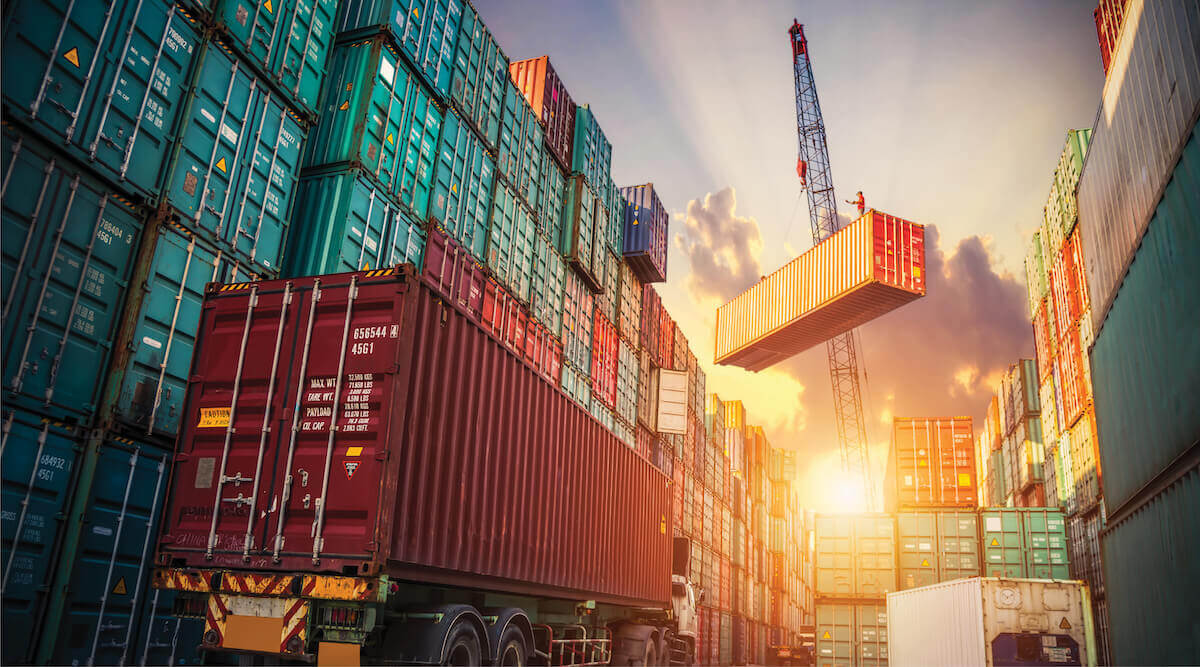 How India’s Multimodal Strategy Is Rewiring Ports, Rail and Road Logistics">

This piece reveals how India’s push for 멀티모달 운송 is changing the game for ports, rail and road freight networks. Expect a look at company results, infrastructure trade-offs and what this means for logistics operators.
Big Picture: Why multimodal matters now
India’s policy drive under the PM 가티 샤크티 initiative is deliberately knitting together road, rail and port links to lower costs and speed up freight flows. The logic is simple: better connectivity and coordinated terminals reduce handoffs, shrink idle time and make haulage more predictable. In plain English, when trucks, trains and ships actually talk to each other—not literally, of course—cargo moves faster and costs drop.
Policy nudges and market pull
Government incentives, targeted upgrades at port terminals and investments in dedicated freight corridors are encouraging shippers and forwarders to route more loads via integrated chains. This is a policy-led reweighting toward organized, end-to-end logistics rather than ad-hoc, road-only moves. The result is a cascading effect: port operators see higher container throughput, rail logistics businesses secure long-haul volumes, and multimodal integrators start to offer competitive complete-supply-chain solutions.
What recent corporate performance tells us
Several listed players are already reflecting the shift. Notable trends include steady revenue and profit growth in supply chain and rail segments, plus stronger container traffic and operational efficiencies at major port operators.
| 회사 | Drivers | Recent Trend |
|---|---|---|
| Transport Corporation of India | Supply chain & rail logistics | Steady revenue and profit growth |
| JSW Infrastructure | Higher cargo volumes, capacity expansion | Healthy gains; investment-led volume growth |
| Adani Ports and Special Economic Zone | Container traffic, port efficiencies | Strong revenue and profit growth |
핵심 숫자
While growth figures vary by quarter, the pattern is consistent: firms with integrated terminals or strong rail-road interfaces are capturing share. This isn’t fireworks overnight; it’s more like a slow-burn bonfire—takes time to build, but once it’s roaring the heat is real.
Practical impacts on logistics operations
For freight planners, the implications are tangible:
- Lower door-to-door costs where rail can replace long-haul road legs.
- Improved predictability through scheduled train slots and port windows.
- Reduced carbon intensity as rail and short-sea routes displace trucking for bulk and container moves.
- Greater use of terminals and multimodal hubs to consolidate and deconsolidate shipments.
Risks and friction points
That said, challenges remain: capital intensity of infrastructure projects, last-mile connectivity gaps, interface friction between different operators, and the need for standardized data flows across modes. Expect teething problems—delays, congested interchange yards and occasional capacity mismatches—while networks scale up.
How this shapes decisions for shippers and forwarders
Shippers thinking long-term should evaluate routing options with an eye on multimodal corridors. Forwarders and 3PLs that invest in IT to stitch schedules, document flows and tracking across modes will win the reliability game. If you’ve ever wrestled with a pallet going astray or seen an ETA slide five times—well, you know why integrated platforms are worth their salt.
To make the point with a small anecdote: I once watched a household move that started as a domestic truck job morph into a multimodal shuffle—truck to train to truck—cutting transit time by nearly a third once the route was optimized. That kind of practical gain scales when you’re dealing with containers or industrial cargo.
Where investment will be concentrated
- Freight corridors and dedicated freight terminals
- Intermodal yards and last-mile connectors
- Port equipment upgrades and digital gate systems
- IT platforms for booking, tracking and documentation
Immediate takeaways for logistics providers
Logistics businesses should prioritize: upgrading multimodal routing capabilities, investing in terminal handling efficiency, and building partnerships across rail, road and port operators. The winners will be those who can guarantee timely delivery and transparent 추적 while keeping haulage costs in check.
Checklist for operators
- Map multimodal corridors relevant to your lanes
- Audit last-mile links to minimize handoff delays
- Invest in real-time visibility tools
- Design pricing that rewards consolidated, bonded flows
Looking ahead, the scale-up of multimodal capacity is unlikely to be uniform across regions—some corridors will mature faster, while others lag. That unevenness is both a headache and an opportunity: early adopters can carve niches, but flexibility will be king.
Provide a short forecast on how this news could impact the global logistics. If it’s insignificant globally, please mention that. However, highlight that it’s still relevant to us, as GetTransport.com aims to stay abreast of all developments and keep pace with the changing world. Start planning your next delivery and secure your cargo with GetTransport.com. Book now GetTransport.com
Highlights: India’s multimodal push is boosting rail-led long-haul carriage, improving port throughput and providing alternatives to pure road haulage; infrastructure remains capital-heavy and benefits will build over time; logistics firms that embrace integrated routing, visibilty and terminal efficiency stand to win. Still, no amount of glowing reports replaces riding the route yourself—real-world experience tells the true story. On GetTransport.com, you can order cargo transportation at the best global prices and secure moves without blowing the budget, letting you validate routes firsthand and avoid unpleasant surprises. Enjoy the convenience, affordability and wide choice—GetTransport.com’s transparency and ease make planning simpler. Book your Ride GetTransport.com
In summary, the multimodal push under PM Gati Shakti is steering India’s logistics towards more integrated 운송 chains, with clear implications for 화물 routing, port operations and freight costs. Companies such as Transport Corporation of India, JSW Infrastructure 그리고 Adani Ports and Special Economic Zone are already reflecting these trends in performance as they capitalize on higher volumes and efficiency gains. For shippers and forwarders, this translates into more routing choices, potential savings on 화물 개선됨 배달 predictability. Whether you manage container flows, palletized parcels or bulky equipment, aligning transport, forwarding and distribution strategies to multimodal corridors will be increasingly important. Platforms like GetTransport.com make it easier to test and book multimodal options—offering reliable, cost-effective solutions for shipment, moving and relocation needs across international and domestic lanes.