


 한국어
한국어  English (UK)
  Русский
  العربية
  日本語
日本語  Magyar
  Türkçe
  Español
  Čeština
  Svenska
  Português
  Ελληνικά
  Suomi
Suomi  Nederlands
  Română
  Italiano
  Français
  Polski
  Українська
  Deutsch
  简体中文
简体中文  Slovenčina
  2025년 급변하는 조류: 해상 운임 하락, 주문 대량 증가">

Current Trends in Ocean Freight Pricing
The shipping world has seen a notable slide in ocean freight rates even as the number of vessels on order hits new heights. This intriguing combination of declining prices amidst a swelling order book is reshaping how cargo moves globally, capturing the attention of logistics professionals worldwide.
Ocean Freight Rate Overview
| 무역로 | Recent Rate (per kg or FEU) | 변경 |
|---|---|---|
| 중국발 북유럽행 | $3.52/kg | 안정적인 |
| 북유럽에서 북미로 | $1.72/kg | -1% |
| Asia to North America (West Coast) | $1,744/FEU | -10% |
| Asia to North America (East Coast) | $2,733/FEU | -21% in one week; -34% through August |
| 아시아에서 북유럽으로 | $3,100/FEU | -6% |
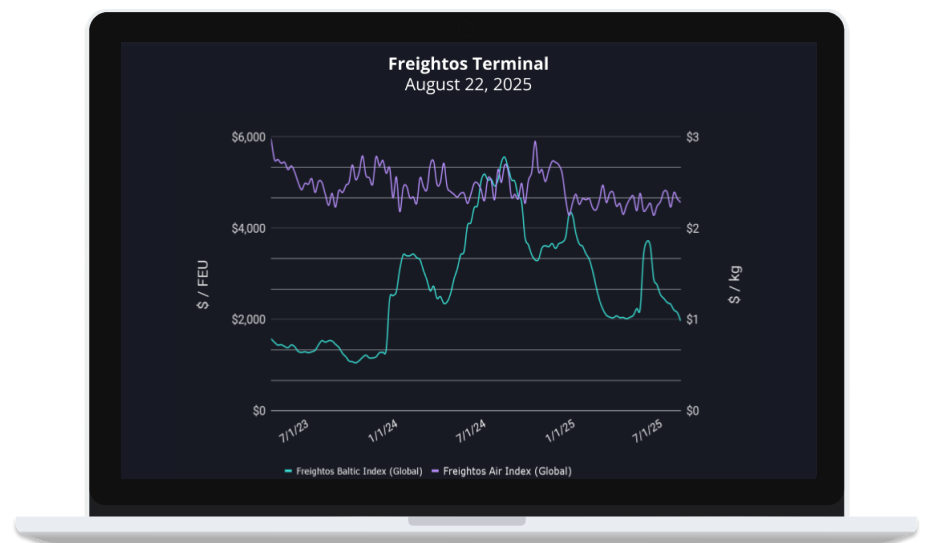
Data shows transpacific rates on an almost uninterrupted downward slide since peak shipments rushed ahead of tariff deadlines in early summer. European routes are not faring much better, with prices hovering near the lowest levels recorded in several months.
The Role of Tariffs and Trade Policies
Trade negotiations and tariff adjustments have placed another layer of complexity on shipping patterns. While overarching tariffs between some major economies seem to be stabilizing, sector-specific investigations — covering goods like pharmaceuticals, semiconductors, lumber, and furniture — hint at prospective tariffs that might still shape freight demand and rates.
Some agreements aiming to reduce or eliminate tariffs remain in limbo, as detailed implementation conditions and deal specifics continue to evolve. This lag in enforcement means it could take a while before any shifts in freight volumes significantly reflect tariff changes.
Market Dynamics and Capacity Influences
The surge in transport capacity and the swelling order book for new vessels mean that supply in the shipping market is expanding rapidly — a classic recipe for downward pressure on prices. The sheer volume of new ships ordered is a clear sign that operators anticipate a future demand that may or may not materialize as expected.
Peak Season Volume and Shipment Timing
July likely marked the high-water point for transpacific container arrivals, as keen shippers rushed to beat the expiration of certain tariffs in August. This rush has contributed to the broken demand pattern, with spot rates tumbling sharply as the peak season winded down.
On the Asia-Europe front, the picture is similarly complex. While demand remains strong and congestion at ports continues, extended shipping lead times — caused in part by route diversions such as those through the Red Sea — have pushed carriers to handle cargo earlier than usual, coolly impacting rates despite the volume.
Spot Rate Volatility and Regional Differences
- Asia to Northern Europe: Spot rates have dropped 6% in the latest week, retracing to levels last seen in late June.
- Asia to Mediterranean: A slight 1% rate dip also hit this trade lane, with prices at their lowest point since May.
This widespread softness reflects a market grappling with overcapacity, as shipping providers seek to fill their increasing fleets. Record order books reinforce this narrative — more ships are on their way, possibly carrying freight at significantly lower rates, upending profitability for many.
Changing Import Rules and Their Impact
New customs regulations are affecting how shipments flow, particularly in the US where low-value import exemptions are being phased out. This policy shift has chilled some B2C e-commerce shipments, especially from China to the US, resulting in noticeable drops in parcel volumes.
Conversely, exports from China to Europe are ramping up, doubling in value for e-commerce imports in recent months. This surge has stoked debates over market competition in Europe, with some calls for tighter import rules emerging.
Air Cargo Stability Amid Ocean Fluctuations
While ocean freight rates churned downward, air cargo has held comparatively steady. Prices for shipments from China to Europe remained firm, and rates to North America even nudged upward slightly. These steadier trends likely mirror shifts in capacity allocation for air logistics, compensating for ocean market softness.
Summary Table: Freight Rate Trends
| 전송 모드 | 경로 | Rate Trend |
|---|---|---|
| 바다 | Asia – North America | Sharp decline (60% – 70%) since early summer |
| 바다 | Asia – Europe | Moderate rate dips (~6%) amidst strong demand |
| Air | China – Europe | Stable at about $3.52/kg |
| Air | China – North America | Rising slightly, ~2% increase |
How These Trends Influence Logistics and Freight Planning
For logistics planners and shippers, the current ocean freight landscape demands a keen eye on market signals. Falling ocean rates triggered by increasing vessel capacity might tempt businesses to push more cargo by sea — but caution is key, as overcapacity and tariff uncertainties may continue to shake up costs and timing.
Understanding seasonal peaks, tariff timelines, and port congestion patterns becomes more than just savvy—it’s essential to optimizing supply chains. Meanwhile, air cargo remains a steady fallback for time-sensitive shipments, though at a higher price point.
물류 고려 사항
- Overcapacity may result in deeper discounts but can also signal future rate instability.
- Shippers should monitor trade policy progress to anticipate tariff-driven volume shifts.
- Port congestion and rerouting add complexity to scheduling and delivery timelines.
- Blending ocean and air modes can optimize cost versus speed tradeoffs.
Why Experience Beats Review: Making Informed Transport Decisions
숫자와 업계의 소문이 의사 결정을 안내할 수 있지만, 직접적인 경험은 여전히 없어서는 안 될 가치가 있습니다. 화물 시장의 미묘한 차이는 시기, 노선, 화물 종류에 따라 크게 달라질 수 있으며, 실시간으로 이러한 변화를 헤쳐나가면서 얻는 실질적인 통찰력을 데이터만으로는 완전히 대체할 수 없습니다.
투명하고 저렴한 옵션을 광범위한 도달 범위와 함께 제공하는 플랫폼은 많은 추측을 없애줍니다. GetTransport.com과 같은 서비스를 활용하면 사용자는 사무실, 가정 용품, 가구, 차량 또는 벌크 화물을 운송할 때 경쟁력 있는 글로벌 화물 운송 옵션에 액세스할 수 있습니다.
Such flexibility ensures logistics professionals and private individuals alike can tailor shipments based on current market conditions, balancing cost and reliability without unpleasant surprises. Book your ride or shipment at your convenience and price point — the right platform can make all the difference. GetTransport.com
향후 전망: 이것이 물류에 미치는 의미
글로벌 거시적 규모로는 엄청난 변화는 아니지만, 이러한 해상 운임 변동은 글로벌 물류 흐름의 근본적인 변화를 반영합니다. 선박 발주 증가의 추세는 해상 무역 증가에 대한 준비를 나타내며, 이는 비용을 낮추는 데 도움이 될 수 있지만 가격 변동성을 연장시킬 수도 있습니다.
GetTransport.com과 같은 플랫폼의 경우, 이 역동적인 시장에 발맞춰 고객이 진화하는 화물 옵션, 비용 효율적인 운송, 시작부터 끝까지 믿을 수 있는 배송에 액세스할 수 있도록 하는 것이 중요합니다. 물류 관리자 및 화물 운송업체는 이러한 트렌드를 따라잡고 공급망 전략을 이에 따라 조정하는 것이 좋습니다.
다음 배송 계획을 세우고 화물을 안전하게 보호하세요. GetTransport.com.
결론
해양 운임률의 현재 하락세는 증가하는 주문량과 함께 2025년 공급, 수요, 무역 정책의 복잡한 균형을 보여줍니다. 태평양 노선은 관세 변화와 성수기 시기에 따라 급격한 하락을 겪었으며, 아시아-유럽 노선은 항구 정체와 선박 우회로로 인해 운임률이 약화되는 가운데 안정적인 물량의 혼합 시나리오에 직면해 있습니다.
수입 규정의 변화는 특히 주요 국경을 넘나드는 전자상거래 배송의 경우, 화물 환경을 더욱 복잡하게 만듭니다. 한편, 항공 화물은 여전히 안정적이지만 주요 노선 간 화물기 용량 조정으로 인해 더 비싼 대안을 반영합니다.
국제 화물 운송을 담당하는 사람이라면 이러한 경향은 유연하고 정보에 입각한 배송 및 물류 접근 방식의 중요성을 강조합니다. GetTransport.com과 같은 다양한 플랫폼을 활용하면 팔레트, 컨테이너, 벌크 화물 또는 소형 화물에 관계없이 저렴하고 안정적인 운송을 확보하는 데 도움이 됩니다. 이를 통해 운송업체는 효율적이고 투명한 솔루션을 선택하여 화물이 계속 이동할 수 있도록 지원합니다.