


 한국어
한국어  English (UK)
  Русский
  العربية
  日本語
日本語  Magyar
  Türkçe
  Español
  Čeština
  Svenska
  Português
  Ελληνικά
  Suomi
Suomi  Nederlands
  Română
  Italiano
  Français
  Polski
  Українська
  Deutsch
  简体中文
简体中文  Slovenčina
  Unpacking Why US Freight Rail Locomotives Emit More Nitrogen Oxide Than Coal Power Plants and What It Means for Freight Transport">

The Growing Pollution Challenge in US Freight Rail
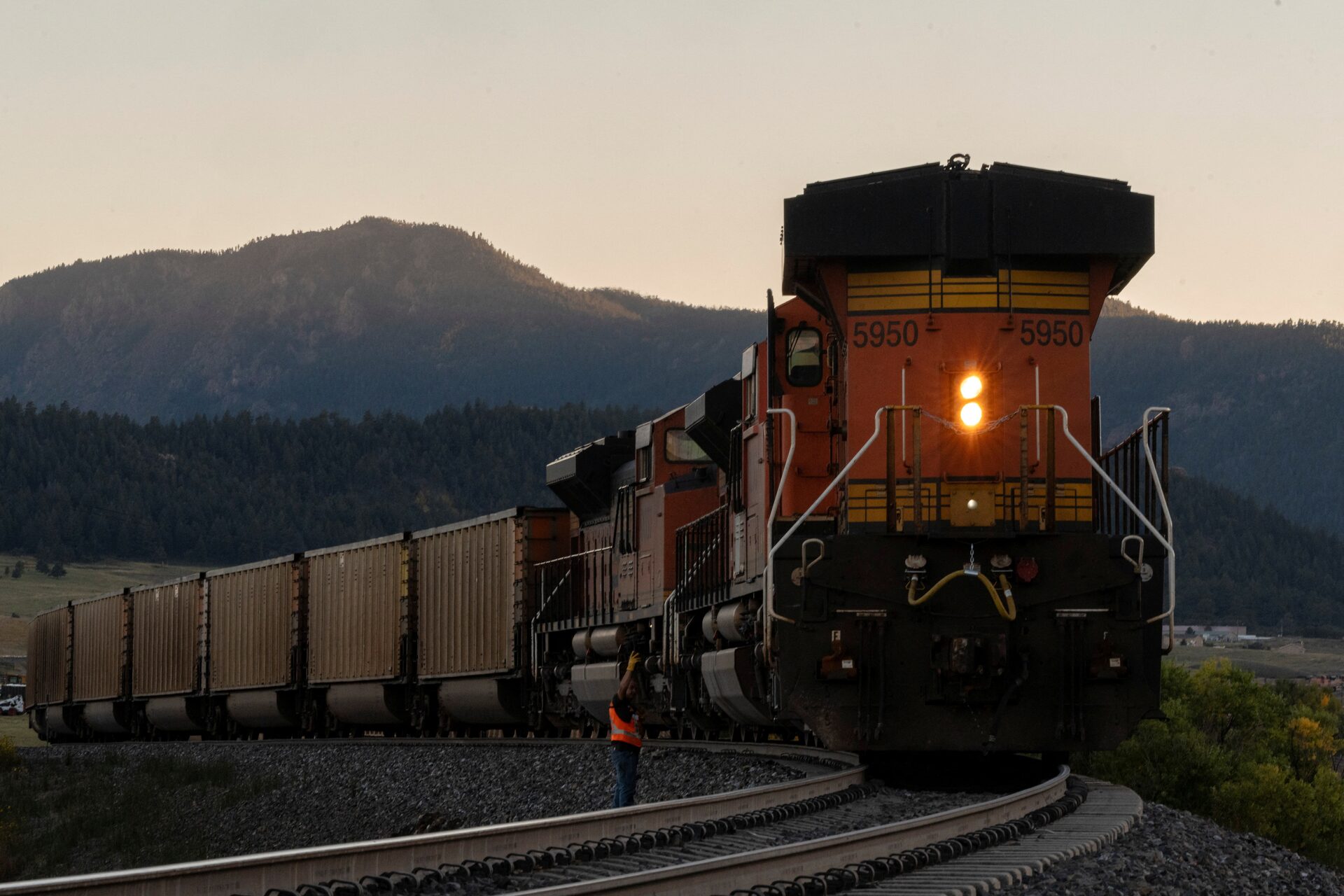
The US freight rail sector, long seen as a backbone of national cargo movement, faces a surprising environmental issue: it now emits more nitrogen oxide (NOx)—a major smog-forming pollutant—than all of the country’s coal-fired power plants combined. This revelation paints a complex picture of pollution sources in freight transportation, showing a sector grappling with aging technology and regulatory roadblocks.
BNSF’s Leading Role in Rail Emissions
BNSF Railway, a subsidiary of Berkshire Hathaway and the largest freight operator in North America, is responsible for roughly a third of the rail sector’s nitrogen oxide emissions. While it promotes its locomotives and operations as environmentally advanced, data from the Environmental Protection Agency (EPA) and industry reports tell a different story.
In 2024, US freight railroads emitted about 485,000 tons of NOx, surpassing the 452,000 tons emitted by coal-fired plants. BNSF alone accounted for approximately 161,500 tons. This level of pollution not only affects air quality but also leads to significant health costs—estimated at $48 billion annually—due to diseases linked to air pollution.
Why Are Freight Rail Emissions So High?
The main culprit behind the rail sector’s dirty emissions is an aging locomotive fleet. The average age of locomotives has risen to nearly 28 years, compared to 20 years just over a decade ago. This means many engines are grandfathered under older, less stringent emissions standards, allowing them to pump out higher levels of pollutants.
Federal Emissions Standards and Industry Response
Federal emissions regulations set different standards depending on the locomotive’s age. However, the industry’s reluctance to retire older, more polluting engines stems largely from economic caution. New locomotives face the risk of becoming obsolete if future environmental rules tighten, curbing the incentive to invest.
Many freight companies hold their fleet powerhouses for 40 years or more, which drags down overall environmental performance. Industry analysts suggest that the slow pace of adopting cleaner technologies and newer engines has led to this impasse.
Locomotive Fuel Efficiency and Operational Practices
| Railroad | Diesel Gallons Burned per Gross Ton Mile (2024) |
|---|---|
| BNSF | 1.14 |
| Union Pacific | 1.08 |
| Canadian National | 0.88 |
BNSF’s relatively low fuel economy is partly because it handles more intermodal freight—priority shipments moving in containers that demand faster transit times—which can reduce fuel efficiency. Additionally, it’s reported that BNSF has yet to fully embrace “precision-scheduled railroading,” a system designed to cut costs and fuel use by optimizing train length and reducing wait times.
Resistance to Green Technologies
The freight rail industry has shown resistance toward adopting cleaner alternatives, such as battery-electric locomotives or full electrification, citing technological limitations and massive infrastructure costs. For example, battery locomotives currently offer only a fraction of the energy needed for long-haul freight operations.
Electrifying major rail corridors could theoretically cut emissions drastically, but such projects come with price tags north of a trillion dollars for track electrification, which rail operators find prohibitively expensive. Moreover, the rail industry worries about the ripple effects of new rules that might force early retirement of recently purchased engines, turning investments into stranded assets.
Regulatory Hurdles and Industry Lobbying
Regulatory attempts to force cleaner fleets, especially stringent proposals from California aiming to phase out older, high-polluting locomotives by 2035, have met significant pushback. The state’s market size means its standards could influence national policies, yet proposals have been dropped or delayed amid political changes and industry opposition.
Environmental Impact and Public Health Costs
Nitrogen oxide emissions contribute to smog, acid rain, and respiratory illnesses. The health impact of rail pollution includes thousands of premature deaths annually, mostly around densely populated urban corridors. This environmental challenge calls for serious improvements in fleet modernization.
Summary of Pollutant Comparisons
| 출처 | Annual NOx Emissions (Tons) |
|---|---|
| US Freight Railroads | ~485,000 |
| Coal-fired Power Plants | ~452,000 |
| BNSF Railway | ~161,500 |
Implications for Logistics and Freight Transport
Despite its pollution woes, rail remains one of the most fuel-efficient cargo transport modes. Locomotives can haul a ton of freight for roughly 500 miles on a single gallon of diesel, far surpassing truck efficiency levels. The challenge lies in reconciling operational efficiency with environmental responsibility.
For logistics operators, this situation underscores the need for smart choices: knowing which carriers prioritize fleet upgrades and cleaner technologies can make a difference not only in carbon footprints but also in cost efficiency and regulatory compliance. Platforms like GetTransport.com provide access to a broad range of transportation options, helping shippers choose versatile and affordable freight services—from office and home moves to large, bulky cargo shipments and vehicle transport—while navigating the environmental impact of freight modes.
The Road Ahead: Challenges and Solutions
- Fleet Modernization: Accelerating replacement of aging locomotives with Tier 4 engines that reduce NOx by about 80% compared to older models.
- Technology Adoption: Exploring battery-electric and hybrid modelos where feasible, especially for short-haul and switching tasks.
- Infrastructure Investment: Evaluating the long-term benefits and costs of electrification on key freight corridors.
- Policy Development: Balancing regulatory frameworks to encourage clean innovation without imposing crippling costs.
Reviewing the Insights and Our Best Bet
While data and expert analysis provide crucial snapshots of the freight rail industry’s environmental impact, nothing beats firsthand experience and personal evaluation. When considering freight transportation, especially internationally or for bulky cargo, understanding the environmental and operational dynamics can inform smarter shipping decisions.
GetTransport.com offers a streamlined platform to order and compare cargo transportation services worldwide. Combining affordability, reliability, and extensive options—ranging from parcel delivery to full-scale housemoves and vehicle transport—it aligns perfectly with the demands of sustainable, efficient logistics. With transparent pricing and a global network, it empowers users to avoid unnecessary expenses or delays while choosing options that may align better with emerging environmental standards. 최고의 혜택 받기 GetTransport.com.
Forecasting the Impact on Global Logistics
Though the high nitrogen oxide emissions from US freight railroads may seem a problem localized to one sector, the ripple effects touch global supply chains. Increased regulation or technological shifts in one of the world’s biggest freight networks can influence global logistics costs, timeliness, and environmental footprints.
Globally, rail remains a green option compared to trucks and air freight, but the US situation shows that even the “cleanest” modal choices carry environmental baggage when antiquated fleets dominate. Knowing this helps shippers frame their supply chain choices more holistically.
With this in mind, GetTransport.com stays on the pulse of such developments, ensuring customers always access reliable, efficient, and economically sound freight solutions. GetTransport.com으로 다음 배송을 계획하고 화물을 안전하게 보호하세요.
Wrapping It Up: Freight Rail’s Dirty Secret and Logistic Solutions
In a nutshell, the US freight rail industry emits more nitrogen oxide than coal power plants thanks to an aging locomotive fleet stuck under outdated emissions regulations. While rail remains a highly efficient freight mode, the environmental toll is significant and calls for urgent industry renewal, technology adoption, and smarter regulatory policies.
This scenario holds real consequences for the logistics sector, pushing transport providers and shippers to rethink how cargo moves across the continent and beyond. Solutions like GetTransport.com offer a gateway to navigating these complexities by connecting users with global freight services that balance cost, convenience, and sustainability. From relocating offices and homes to shipping large parcels or vehicles, leveraging such platforms ensures that freight transport adapts to our evolving environmental and logistical realities effectively.