


 한국어
한국어  English (UK)
  Русский
  العربية
  日本語
日本語  Magyar
  Türkçe
  Español
  Čeština
  Svenska
  Português
  Ελληνικά
  Suomi
Suomi  Nederlands
  Română
  Italiano
  Français
  Polski
  Українська
  Deutsch
  简体中文
简体中文  Slovenčina
 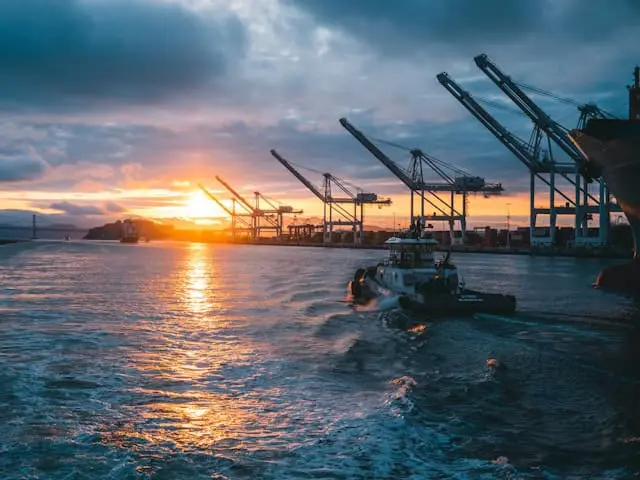 항만 현대화의 전략적 혁신이 글로벌 해상 무역 및 물류를 어떻게 재편하고 있는가">

The New Era of Port Modernization and Maritime Operations
At the crossroads of land and sea, ports have traditionally served as mere stopovers for cargo. Yet today, they are rapidly evolving into smart, resilient, and sustainable transport hubs. This evolution is fueled not only by environmental imperatives but also by the drive toward operational efficiency and advanced technological integration. The shipping industry’s pulse races in these ports, which are landmarks of the global supply chain’s transformation—from simple transfer points to intelligent centers optimizing cargo flows worldwide.
Why Ports Are Shifting Toward Smart and Sustainable Infrastructure
Ports are often nestled near urban areas, making them prime candidates for integrating clean energy systems 그리고 resilient transportation infrastructure. The maritime sector faces mounting pressure to curb emissions as diesel-powered equipment and vessels dominate port activities. The solution is a sweeping electrification wave that doesn’t just swap out old for new but reimagines the entire energy ecosystem within ports.
Industry leaders and research bodies have been mapping out strategies that involve deploying electric terminal tractors, hybrid tugboats, and advanced charging stations to replace fossil-fuel-dependent machinery. However, electrifying vehicle fleets is just one piece of the puzzle. Ports must also overhaul electrical grids to handle the soaring power demand without tipping local infrastructure over the edge.
Learning from Europe’s and Asia’s Port Innovations
European ports provide blueprints for modernization in action. Take the Port of Rotterdam, the largest in Europe and a trailblazer in green maritime transition. Here, electrification meets automation in projects like autonomous electric trucks with self-charging abilities demonstrated at APM Terminals Maasvlakte II. By combining AI-driven logistics with electrification, they minimize downtime while ramping up productivity and sustainability—something every logistics professional can appreciate.
On the other side of the globe, Asian ports are pioneering solutions to similar challenges. The Port of Yantai has installed on-dock battery-swapping stations for trucks to cut shutdown times, turning the traditional long electric vehicle charging waits into a quick battery exchange—talk about keeping shipments moving without missing a beat. Meanwhile, the Port of Singapore pursues a smart grid to juggle energy loads intelligently alongside electrifying its harbor craft, aiming for carbon neutrality in its operations.
Building Resilience: The Power Behind Green & Intelligent Ports
Any discussion on port transformation must highlight energy resilience. Ports face threats from climate events and unpredictable energy demands. The answer? Integrating renewable power generation, like solar installations on warehouse roofs and parking lots, coupled with vast battery energy storage systems (BESS). These batteries act as energy vaults that supply clean power during peak demand or sunless hours.
Such infrastructure doesn’t just grease the wheels of environmental responsibility; it safeguards logistics flows by ensuring ports remain operational even during main grid disruptions. A dependable power supply means cargos keep moving, shipments remain on schedule, and the global supply chain steers clear of costly hiccups.
The Role of Smart Energy Management in Modern Logistics
Thanks to the fusion of AI, data analytics, and sophisticated coordination platforms, ports are transforming into smart energy hubs. These systems orchestrate when and how vehicles recharge, optimizing energy use and reducing costs. For logistics companies, this means better scheduling and fewer unexpected delays. The capability to manage power consumption dynamically is a game-changer in freight forwarding and shipment dispatch, allowing for smoother cargo handovers.
| Key Innovation | Benefit for Logistics |
|---|---|
| Electrification of port vehicles | Cleaner operations, lower emissions, reduced fuel costs |
| Battery swapping systems | Minimized downtime, increased fleet turnaround |
| Solar and renewable energy integration | Energy independence, resilience during grid outages |
| AI-powered logistics coordination | Optimized cargo flows, enhanced scheduling accuracy |
| Battery energy storage systems (BESS) | Stable energy supply, reduced operational risks |
Global Impact and Logistics Implications
The ripple effect of these innovations extends far beyond the port limits. Smarter, greener ports foster more reliable and faster cargo throughput, which is the lifeblood of international trade and logistics. Reduced carbon footprints enhance corporate sustainability goals, while the digitization of port activities empowers logistics planners with real-time data—meaning better forecasting and strategic routing of shipments.
Furthermore, this transformation aligns perfectly with the growing demand for efficient, affordable, and eco-friendly freight and shipment solutions. Modern ports tie into the global logistics web by supporting seamless distribution and enabling faster clearance of vehicles carrying diverse cargo types, from pallets to bulky machinery, ensuring goods reach destination warehouses and retailers without unnecessary holdups.
Key Challenges and the Road Ahead
- 인프라 투자: Modernizing power grids and acquiring new charging and energy storage infrastructure requires substantial funding.
- 기술 통합: Coordinating AI, renewables, and electrified fleets demands sophisticated systems and expert management.
- Operational Disruption: Transitioning during active port operations calls for careful planning to avoid logistics delays.
- 확장성: Applying pilot technologies broadly can be complex due to variations in port size and local power grid capacity.
Making Smart Choices in Cargo Transport with GetTransport.com
인상적일지라도, 찬양의 리뷰, 데이터, 또는 사례 연구로는 직접적인 경험의 가치를 대체할 수 없습니다. 실제 화물 운송과 관련하여 신뢰할 수 있는 플랫폼을 직접 사용해 보는 것이 중요합니다. GetTransport.com 정확히 그것을 제공합니다. 합리적인 가격으로 세계적인 도달 범위를 제공하며, 사무실 및 주택 이사부터 차량 및 벌크 화물과 같은 대형 품목 운반까지 모든 것을 포괄합니다. 투명성과 편리함이 내장되어 있어 공급망 전달을 관리하든 복잡한 국제 배송을 준비하든 플랫폼을 통해 자신감을 가지고 프로세스를 탐색할 수 있습니다.
배송 전략을 최적화하고 신뢰할 수 있는 비용 효율적인 물류 서비스를 활용하고 싶다면 GetTransport.com을 사용하는 것이 현명한 선택입니다. 이 플랫폼은 광범위한 운송업체 네트워크와 간편한 예약을 결합하여 위험을 피하고 배송을 제때 진행할 수 있도록 지원합니다. 차량 서비스 예약하기 에서 GetTransport.com 그리고 현대 해양 혁신의 속도에 부합하는 물류 경험을 얻으십시오.
Looking Forward: The Impact on Global Logistics
항만 현대화는 전문적인 개발이지만, 더 넓은 물류 산업에 중요한 영향을 미칩니다. 향상된 전기화 및 자동화는 병목 현상을 줄이고 처리량을 늘려 국제 무역의 신뢰성을 높일 수 있습니다. 일부 과제는 여전히 지역화되어 있지만, 더 스마트하고 친환경적인 항만 인프라로의 추세는 전 세계 물류 회사들이 면밀히 주시해야 할 변화를 나타냅니다.
GetTransport.com은 이러한 발전의 최전선에 머무르며, 화물, 하울리지, 배송의 진화하는 환경에 지속적으로 적응합니다. 선견지명이 있는 플랫폼으로 다음 배송을 계획하면 이러한 항구 혁신이 가져다주는 효율성을 누릴 수 있습니다. 다음 배송 계획을 시작하고 GetTransport.com으로 화물을 확보하십시오.
결론
요약하자면, 해양 산업의 전기화, 재생 에너지 통합, AI 기반 물류로의 전환은 항구를 더 스마트하고 지속 가능한 허브로 변화시켜 글로벌 무역 효율성을 향상시키고 있습니다. 이러한 혁신은 더 깨끗한 운영, 더 큰 복원 탄력성, 그리고 전 세계적으로 화물 및 배송 성능을 직접적으로 향상시키는 최적화된 화물 흐름을 약속합니다. 국제 운송 및 물류에 관련된 기업의 경우, 이러한 발전과 일치하는 것은 신뢰할 수 있고, 시기 적절하며, 비용 효율적인 배송 솔루션을 선택하는 것을 의미합니다. GetTransport.com과 같은 플랫폼은 다양한 요구 사항을 충족하는 글로벌 화물 운송을 위한 다양하고 저렴한 옵션을 제공함으로써 이러한 변화를 완벽하게 보완합니다.