


 한국어
한국어  English (UK)
  Русский
  العربية
  日本語
日本語  Magyar
  Türkçe
  Español
  Čeština
  Svenska
  Português
  Ελληνικά
  Suomi
Suomi  Nederlands
  Română
  Italiano
  Français
  Polski
  Українська
  Deutsch
  简体中文
简体中文  Slovenčina
 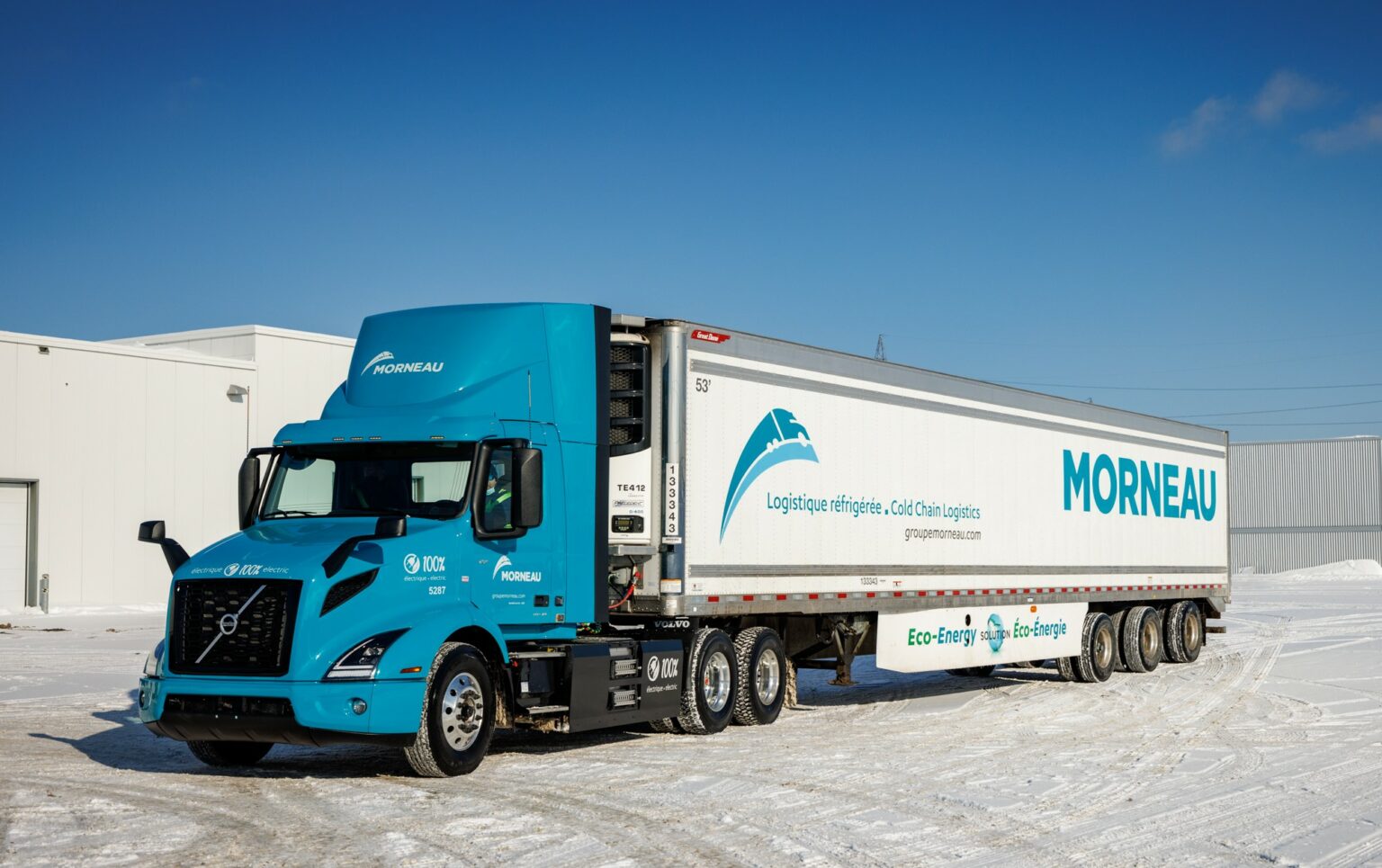 퀘벡 트럭 운송 단체들, 지속 가능한 운송 장려를 위한 에코카미오나주 프로그램 부활 추진">

Quebec’s Call to Restart the Écocamionnage Program
Quebec’s trucking industry, comprising major fleets, logistics stakeholders, and clean-transport advocates like Propulsion Québec, Globocam, Intelcom, and the Quebec Trucking Association (QTA), are all united in urging the provincial authorities to promptly reinstate the Écocamionnage program. This initiative, paused since September 6, 2024, played a pivotal role in promoting zero-emission trucks and related infrastructure before the suspension.
Impact of the Suspension on Decarbonization Efforts
The pause in government incentives has sparked concerns across the transport sector. Experts argue that this delay disrupts investments geared towards reducing carbon footprints in medium- and heavy-duty vehicle fleets. Given that such vehicles contribute roughly 30% of the transportation sector’s emissions in Quebec, the hiatus risks slowing down progress just when the demand for trucking keeps surging.
Propulsion Québec points out that in previous years, Quebec made tangible advances in green transportation through infrastructure and vehicle adoption. However, without renewed government backing, the growth momentum stalls, leaving newly installed electric truck charging stations underutilized and deterring further investment across manufacturers, suppliers, and service providers.
Real-World Challenges from Industry Voices
Mélanie Camara, director of environment and sustainable development at GLS Canada, highlighted the uncertainty facing fleets: “We have installed around 50 charging stations and integrated several electric trucks into our fleet. However, without clarity on the Écocamionnage program’s future, it’s a shot in the dark when it comes to financial planning and fleet renewal.”
Ecosystem-Wide Consequences for Quebec’s Transport Sector
The QTA and other industry leaders stress that the suspension has created genuine confusion and a sense of stagnation. With ambitious climate targets on the horizon, halting government support shakes the confidence of carriers that had been actively working to enhance energy efficiency and update vehicle fleets with zero-emission technologies.
Investment flows of around C$415 million announced under Quebec’s Green Economy Implementation Plan for 2025-2030 now appear sidelined, dampening the enthusiasm of trucking companies eager to evolve.
| 이해 관계자 | Concern Highlighted |
|---|---|
| Propulsion Québec | Decarbonization momentum is faltering, charging stations underused |
| GS Logistics (Mélanie Camara) | Investment decisions blocked due to program uncertainty |
| Quebec Trucking Association (Marc Cadieux) | Confusion and suspension hurt decarbonization plans |
| Globocam (Maxime Boyer) | Energy transition disrupted with zero-emission vehicles stuck in limbo |
The Broader Industry Backing
Support for reviving the program crosses many players, including Peterbilt of Canada, Nationex, AttriX, Emballages Carrousel, Location Brossard, and Simard. Their shared vision reflects a collective push for practical tools and incentives to bring zero-emission vehicles onto Quebec’s roads steadily and sustainably.
물류 및 화물 운송에 중요한 이유
The trucking industry stands as a backbone of Quebec’s and Canada’s supply chain mechanisms, responsible for hauling everything from bulky goods 그리고 화물 선적 에 palletized freight 그리고 차량 운송. Any interruption in sustainable initiatives not only jeopardizes environmental goals but also influences operational strategies of moving and relocation companies alike.
When programs like Écocamionnage fade out, logistics providers face uncertainty that complicates long-term fleet management. This ripple effect can slow the adoption of cleaner trucks essential to reducing emissions in freight distribution networks and courier services. As international and local regulations increasingly favor climate-friendly choices, consistent government support becomes the linchpin in bridging policy with practical logistics deployment.
How Charging Infrastructure Fits into the Big Picture
Charging stations aren’t just roadside features; they’re strategic assets for logistics operations planning. Their availability dictates how far electric trucks can range, impacts scheduling for dispatch and haulage, and affects the feasibility of integrating electric vehicles into existing fleets. Without financial boosts and program certainty, investments in this infrastructure risk underutilization, stalling the push for a green logistics revolution.
The Bottom Line: Momentum Can’t Stall Now
Quebec’s clean transport advocates underline that the province possesses all the necessary ingredients to succeed: a robust industrial ecosystem, innovative companies, abundant renewable energy, and a unifying commitment to accelerate carbon reduction.
Reviving the Écocamionnage program could act as a catalyst, sparking fresh investments that renew momentum and ensure that decarbonization targets remain within reach while supporting the ongoing activities of logistics companies and haulage fleets that keep Quebec moving.
Your Takeaway on Sustainable Trucking Energy
While reviews and industry feedback paint a detailed picture, nothing replaces firsthand experience in navigating the impacts of program changes like this. Fortunately, platforms like GetTransport.com empower businesses and individuals to access affordable, reliable cargo transport solutions globally. Whether shifting house, moving bulky goods, transporting vehicles, or organizing a complex office move, GetTransport.com combines convenience, cost-effectiveness, and extensive options to meet evolving transportation needs.
With its transparent pricing and flexible service range, GetTransport.com aligns seamlessly with the ongoing challenges and opportunities faced by Quebec’s trucking and logistics sectors in advancing toward a cleaner, more sustainable future. 차량 서비스 예약하기 에서 GetTransport.com to navigate the changing landscape confidently.
Looking Ahead: Logistics and the Global Transport Outlook
While the suspension of the Écocamionnage program may not drastically alter global logistics flows, it highlights how vital government incentives are in steering regional carbon-reduction efforts within freight and shipment networks. At GetTransport.com, staying up to speed with such evolving dynamics matters—ensuring that freight, haulage, and distribution solutions always meet customers’ expectations as the transport world changes.
GetTransport.com으로 다음 배송을 계획하고 화물을 안전하게 보호하세요.
요약
The temporary halt of the Écocamionnage program in Quebec underscores a crucial juncture for the trucking sector’s push toward decarbonization. With medium- and heavy-duty vehicle emissions forming a significant part of provincial transport pollution, government incentives like this were essential in fostering growth in electric truck fleets and related infrastructure.
Since the program’s suspension in September 2024, industry groups have faced growing uncertainty, halting investments, and slowing the deployment of zero-emission vehicles and charging stations. This pause threatens the broader logistics ecosystem, impacting cargo delivery, freight forwarding, and haulage operations reliant on sustainable technology adoption.
Yet, the collective efforts of fleets, manufacturers, and service providers demonstrate a resilient commitment to sustainable transport. Programs like Écocamionnage, when active, provide the framework needed for a competitive, innovative, and eco-friendly trucking industry.
For businesses seeking reliable and affordable transportation services during such transitions, GetTransport.com offers global logistics solutions covering everything from housemoves and office relocations to bulky freight transport. Its platform ensures users access extensive choices efficiently, supporting seamless shipment delivery regardless of changing policies.
In essence, Quebec’s trucking industry’s call for reinstating the Écocamionnage program reflects broader themes essential for modern logistics: innovation, sustainability, and the crucial role of consistent support in paving the path forward.