


 한국어
한국어  English (UK)
  Русский
  العربية
  日本語
日本語  Magyar
  Türkçe
  Español
  Čeština
  Svenska
  Português
  Ελληνικά
  Suomi
Suomi  Nederlands
  Română
  Italiano
  Français
  Polski
  Українська
  Deutsch
  简体中文
简体中文  Slovenčina
 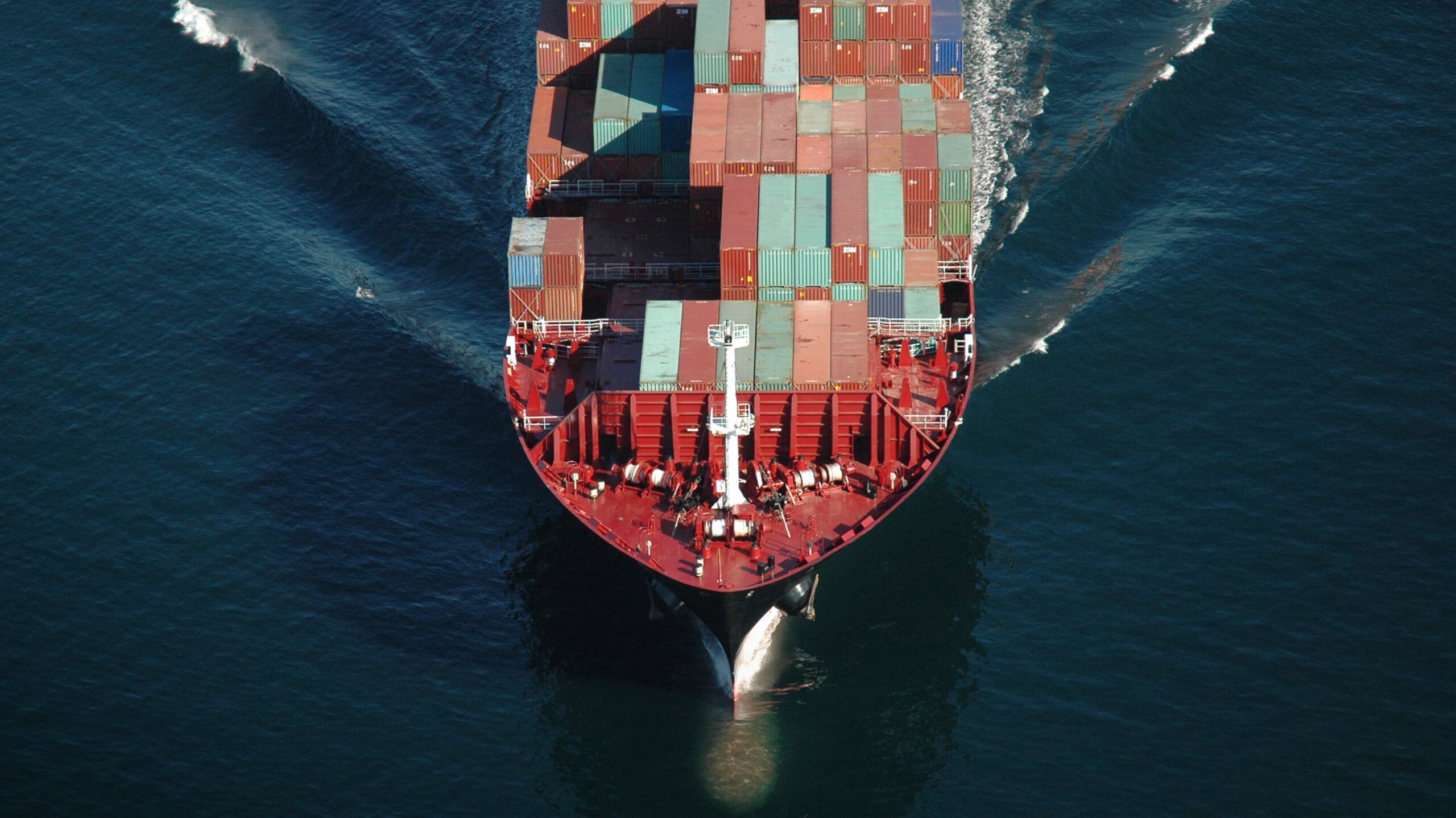 Container freight heads lower as carriers cautiously reintroduce Suez rotations">

This piece dissects the recent slide in ocean container rates and how carrier choices—route resumptions, blanked sailings and vessel sizing—are reshaping pricing and capacity for shippers and logistics providers.
Where rates moved and why it matters
The global index for container rates has seen a noticeable decrease, driven largely by softer demand after the Lunar New Year peak. The drop is most visible on key east‑west lanes: trans‑Pacific and Asia–Europe trades. Carriers responded to weaker spot volumes by cancelling or postponing sailings, and some are testing smaller ships or rerouting services to manage capacity reintroduction.
Spot rate shifts on major lanes
Front‑line numbers tell a clear story: prices out of major Asian hubs softened versus the U.S. and Europe, with carriers taking a cautious approach to bringing capacity back online through riskier corridors such as the Suez Canal 및 홍해.
| 경로 | Recent change | Typical spot level (per FEU) |
|---|---|---|
| Shanghai → New York | Down ~11% | $3,191 |
| Shanghai → Los Angeles | Down ~12% | $2,546 |
| Shanghai → Rotterdam | Down ~9% | $2,510 |
| Shanghai → Genoa | Down ~8% | $3,520 |
Operational moves from carriers
- Resuming Suez rotations: Major lines like Maersk have planned restarts of classic Asia–Europe and Asia–U.S. East Coast rotations via the Suez route.
- Rerouting and avoidance: Some services, including certain CMA CGM loops, are being rerouted around the Cape of Good Hope for select sailings.
- Blanked sailings: To avoid a sudden flood of capacity into a weak spot market, carriers continue to cancel or postpone sailings.
- Smaller vessel tests: Using smaller ships to reintroduce capacity reduces downside risk to spot rates.
Why carriers are cautious — and what “drip‑feed” reintroduction means
Carriers face a tricky balancing act: return to full schedules to serve customers, but avoid a capacity surge that would crash spot rates. A “drip‑feed” strategy means gradually adding sailings and testing route choices so capacity is reintroduced without triggering a price collapse. It’s like turning up the tap a little at a time rather than letting it gush.
Primary drivers behind the current softness
- Seasonal demand normalization: Post-holiday ordering typically eases after the Chinese New Year buildup.
- Geopolitical risk in transit corridors: Ongoing security risks in the Red Sea force operational caution and sometimes lead to longer, costlier alternative routings.
- Carrier network optimization: Lines are experimenting with vessel sizes and rotations to control capacity exposure.
- Spot market volatility: Shippers shifting between contract and spot purchasing amplify swings.
Practical implications for logistics and shippers
Sudden rate declines might feel like a gift for anyone buying spot capacity, but they can also mask operational headaches: port congestion, schedule unpredictability, and longer transit times when services avoid risky regions. For logistics managers, the devil’s in the details—cheaper rates do not always mean smoother deliveries.
How to respond—tactical checklist
- Review contracted volumes vs. expected spot needs; lock in critical lanes where predictability matters.
- Consider consolidations and bigger pallets to lower per‑unit haulage costs.
- Factor transit time risk when carriers reroute around the Cape of Good Hope.
- Hold flexible inventory buffers for just‑in‑case situations rather than overstretching working capital.
- Talk to freight forwarders about multi‑modal options and courier backup plans for urgent parcels.
Short table: pros and cons for shippers
| 혜택 | Risk |
|---|---|
| Lower spot rates lower shipping spend | Potential for delays and re‑routing increasing lead times |
| Opportunity to re‑negotiate short contracts | Service reliability may decline during transition |
Forecast and planning note
The immediate forecast: expect further softening of spot freight on major east‑west routes unless demand picks up or carriers accelerate full schedule restoration. Globally this may be a modest correction rather than a seismic shift, but it’s relevant to logistics operators who must manage capacity, schedules and inventory. Start planning your next delivery and secure your cargo with GetTransport.com. Book your Ride GetTransport.com
Highlights and why you should care
주요 내용: spot rates have fallen after the Lunar New Year surge; carriers are using blanked sailings and smaller vessels to manage capacity; the return of Suez rotations will be gradual and cautious. These are important signals for anyone involved in freight, forwarding, haulage or distribution. Still, nothing beats seeing how your own lanes behave—no amount of punditry replaces firsthand experience. On GetTransport.com, you can order your cargo transportation at the best prices globally at reasonable prices. This empowers you to make the most informed decision without unnecessary expenses or disappointments, thanks to transparent options and a wide range of transport choices. Book your Ride GetTransport.com
In summary, the recent decline in ocean container rates offers both opportunity and caution for shippers and logistics planners. Lower spot pricing can reduce transport and shipping spend, but service reliability, transit times and the risk of rerouting around risky sea lanes must be weighed. Effective playbooks include blending contract and spot procurement, consolidating shipments, and keeping an eye on carrier operations through the Suez Canal and Red Sea. Whether dealing with parcels, pallets, containers or bulky consignments for international relocation or a housemove, reliable logistics partners make the difference. By simplifying booking, offering competitive global freight options and handling dispatch, forwarding and courier needs, GetTransport.com aligns with these operational priorities—helping move cargo, manage shipments, and deliver dependable transport solutions across global networks.