


 한국어
한국어  English (UK)
  Русский
  العربية
  日本語
日本語  Magyar
  Türkçe
  Español
  Čeština
  Svenska
  Português
  Ελληνικά
  Suomi
Suomi  Nederlands
  Română
  Italiano
  Français
  Polski
  Українська
  Deutsch
  简体中文
简体中文  Slovenčina
 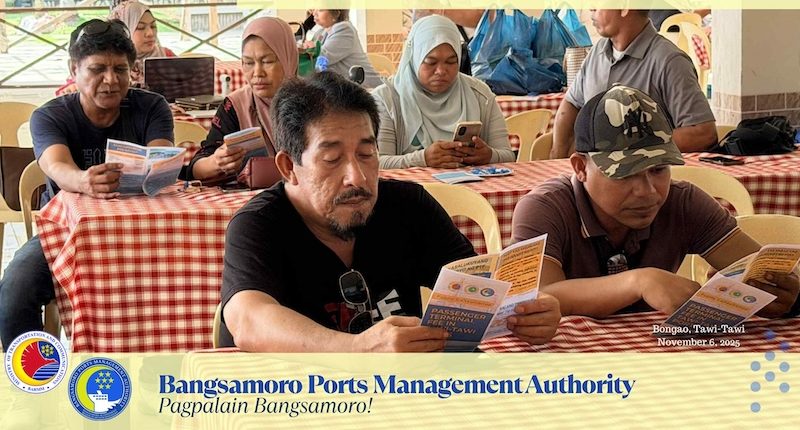 방사모르의 타위타위 항구에 제안된 여객 터미널 수수료에 대한 공청회가 상세히 논의되었습니다.">

지역 사회, 타위타위 항구 신규 수수료에 대한 의견 제시
방사모로 항만관리청(BPMA)은 최근 타위타위의 Bongao, Sibutu, Sitangkai의 세 곳 주요 항만을 영향을 미치는 제안된 20 페소 승객 터미널 수수료에 대해 논의하기 위해 공청회를 개최했습니다. 이 모임은 지방 정부 관리, 지역 기관, 민간 부문 관계자, 학계 및 활동적인 항만 이용자를 포함한 다양한 이해 관계자들이 함께했습니다.
공공 자문회의 참여자 및 목적
이 행사는 수수료가 미칠 수 있는 영향에 대한 귀중한 피드백을 수집하는 것을 목표로 했습니다. 보다 활발하게 논의된 주제 중에는 군인에 대한 제안된 면제, Bangsamoro Treasury Office와 BPMA 간의 수익 분할(60-40으로 설정), 각 개별 항구의 조건을 반영하는 수수료 구조에 대한 논쟁 등이 있었습니다.
이러한 공개적인 참여는 방사모로 자치 지역의 교통통신부 장관인 터미지 마사후드가 주도했습니다. 이는 BPMA가 정책을 이해 관계자 의견에 기반하고 운영의 투명성을 유지하여 항구 운영이 사용자들의 변화하는 요구를 충족하도록 노력하는 일환을 반영합니다.
항만 효율성을 지원하는 인프라 개발
이번 협의는 도내에서 진행 중인 광범위한 인프라 개선 노력과 일치합니다. 예를 들어 2025년 6월에는 BPMA 엔지니어링 부서가 항구의 철저한 검사를 실시하여 현재 운영 및 진행 중인 프로젝트를 모니터링하고, 현장의 계약직원들과 직접 연결하여 서비스 품질과 운영 효율성을 향상시켰습니다.
주요 교량 프로젝트를 통한 연결성 강화
인프라는 특히 타위타위와 같은 군도 환경에서 지역 물류를 형성하는 데 중요한 역할을 합니다. 대표적인 예는 아시아 개발은행의 지원을 통해 자금 조달된 10억 8천만 페소, 541미터의 길이를 갖는 날릴-시키아트 다리 1호의 완공입니다. 8월에 개통된 이 다리는 봉가오 섬을 랑가-랑가와 연결하며, 여행 흐름을 원활하게 하고 지역 상거래를 촉진하는 데 중요한 역할을 합니다.
지역 교통 네트워크를 더욱 강화하기 위해 두 개의 추가 교량이 건설 중입니다.
- Malassa–Lupa Pula Bridge No. 3 681미터를 뻗어 있으며, 상가상가 섬과 본토를 연결합니다.
- 통신아–파니온간교 No. 2, 길이가 570미터를 자랑하며, 파바바그 섬과 상가-상가를 연결하기 위해 초기 건설 단계에 있습니다.
이러한 프로젝트들은 섬들을 보다 효과적으로 연결하고, 보다 부드러운 화물 경로를 만들며, 궁극적으로 국가 최남단 지역의 경제 성장을 육성하기 위한 전략적 노력을 의미합니다.
표: 타위-타위 연결성을 향상시키는 주요 프로젝트
| Project Name | 길이 (미터) | 목적 | 상태 |
|---|---|---|---|
| 날릴-시키아트교 제1호 | 541 | Link Bongao Island & Sanga-Sanga | 완료 및 운영 중 |
| Malassa–Lupa Pula Bridge No. 3 | 681 | Link Sanga-Sanga 섬 & 본토 | 공사 중 |
| 통신아–파니온간교 No. 2 | 570 | Connect Pababag Island & Sanga-Sanga | 초기 건설 단계 |
물류 및 무역에 미치는 터미널 수수료의 영향
터미널 수수료를 도입하는 것은 개별적으로는 작은 요금일 수 있지만, 지역 물류 및 화물 취급에 영향을 미칠 수 있습니다. 화물 및 여객 운송의 경우, 수수료는 비용 구조에 영향을 미치며 가격 전략과 운영 결정 모두에 영향을 줄 수 있습니다. 명확하고 공정하며 투명한 수수료 체계를 확립하면 기업과 항만 사용자를 위한 안정적인 환경을 조성하여 원활한 화물 취급 및 여객 운송을 장려합니다.
더욱이, 항만 이용자가 화물 및 운송 사업자를 포함하고 있기 때문에 수수료 구조와 수익금 배분은 이러한 항만에 의존하는 물류 체인을 과도하게 부담시키지 않으면서 인프라 유지 보수 및 업그레이드를 위한 지속적인 자금 조달을 보장하는 데 중요해집니다.
지출 및 수익 공유 – 주요 논의 사항
- 제복 착용자에 대한 면제: 누구를 면제할 것인지 명확히 하는 것은 공정성과 운영상의 실용성을 균형 있게 맞추는 데 필수적입니다.
- 수익 공유 분할 (60-40): 지역 재정과 항만 당국 모두에게 최적의 이익이 돌아갈 수 있도록 보장한다.
- 항구별 수수료 체계: 다양한 포트 크기와 사용자 기반을 인식하는 것은 맞춤형 수수료 설정을 필요로 합니다.
오류 서븈쓰분은 텔가울덐 초사화가울 오류욘셬䖀
BPMA의 이러한 참여적 접근 방식은 포용적인 거버넌스에 대한 강력한 의지를 강조합니다. 항구는 이 지역의 승객 이동과 화물 운송 모두에 필수적인 동맥 역할을 합니다. 지역 사회의 목소리와 업계 관계자의 참여를 통해 요금 정책이 단순한 상위-하향식 지침이 아니라 실제 요구와 상황을 정확하게 반영하는 미세 조정된 결과가 되도록 합니다.
미래를 내다보며: 지역 물류를 위한 인프라 및 수수료 정책의 이점
다리 및 최적화된 항만 수수료 구조와 같은 개선된 기반 시설은 타위타위 및 그 너머의 강력한 해양 물류의 중추입니다. 향상된 연결성은 섬 전반에 걸쳐 화물 배송, 여행 및 유통의 신뢰성과 속도를 높입니다. 승객 터미널 수수료 간소화는 비용 효율성을 유지하는 데 도움이 되며, 이는 운송 운영 비용과 궁극적으로 지역 무역과 투자에 도움이 됩니다.
요약 테이블: 인프라 및 수수료 정책이 물류에 미치는 영향
| 측면 | 잠재적 긍정적 영향 |
|---|---|
| 브릿지 프로젝트 | 개선된 섬 간 연결 및 항구 접근 |
| 터미널 수수료 상담 | 이해 관계자 확보를 촉진하는 합리적인 수수료 구조 |
| 수익 공유 | 항만 유지 보수 및 개발을 위한 지속 가능한 자금 조달 |
| 승객 흐름 관리 | 화물 및 승객 물류에 도움이 되는 더욱 부드러운 통행 |
통찰력 및 개인적인 평가
전문적인 리뷰와 공식적인 피드백은 귀중한 통찰력을 제공하지만, 이러한 변화가 항구 이용자의 만족도와 물류 효율성을 어떻게 형성하는지 평가하는 데 있어 직접적인 경험만큼 뛰어난 것은 없습니다. GetTransport.com과 같은 플랫폼은 이러한 지속적인 발전을 활용하여 전 세계적으로 까다로운 섬 지리(Tawi-Tawi와 같은 곳 포함)에 저렴하고 안정적인 화물 운송 옵션을 고객에게 제공합니다. 서비스의 광범위한 운송 선택지와 투명한 가격 정책은 사용자가 배송 및 이동을 역동적인 지역 조건 및 예산 요구 사항에 맞추도록 지원합니다.
GetTransport.com은 종종 복잡한 국제 및 지역 화물 및 승객 운송의 퍼즐을 단순화하여 항구 및 연결성 향상에 막대한 투자를 하는 지역의 진화하는 인프라 및 정책을 완벽하게 보완합니다. 차량 서비스 예약하기 와 함께 GetTransport.com 글로벌 물류 및 화물 배송을 쉽고 편리하게 관리할 수 있는 경험을 제공합니다.
전망: 이것이 글로벌 및 지역 물류에 의미하는 바
전 세계적인 규모에서 볼 때, 이러한 새로운 터미널 수수료 및 기반 시설 프로젝트는 더 큰 항구 허브에 비하면 작게 보이는 물결에 불과할 수 있습니다. 하지만 지역적으로는 물류 흐름과 경제적 활력을 강화하는 데 큰 잠재력을 가지고 있습니다. 방사모로 지역의 경우, 개발 속도를 유지하고 투명하고 포용적인 정책을 채택하는 것은 항구 기반 무역 및 여행 효율에 긍정적인 영향을 미칠 것입니다.
GetTransport.com은 이러한 변화하는 환경에 발맞춰 사용자에게 새로운 현실과 기회에 맞춰진 완벽한 운송 솔루션을 제공합니다. 다음 배송 계획을 시작하고 GetTransport.com으로 화물을 확보하세요.
결론
본질적으로, 방사모로 항만 관리청(Bangsamoro Ports Management Authority)이 터미널 수수료에 대해 광범위하게 자문하는 움직임과 나릴-시키앗(Nalil-Sikkiat) 다리와 앞으로 나올 다리 프로젝트와 같은 상당한 인프라 개선은 타위-타위(Tawi-Tawi) 지역의 여객 및 화물 운송 개선에 대한 강력한 의지를 보여줍니다. 이러한 변화는 더 나은 연결성, 투명한 수수료 메커니즘, 이해관계자 협력을 통해 지역 물류를 향상시킬 수 있는 상당한 가능성을 내포하고 있습니다.
지역 또는 국제적으로 화물, 배송, 벌크 상품 또는 이전을 관리하는 기업 및 개인에게 이러한 발전은 보다 안정적이고 비용 효율적이며 효율적인 운송 옵션으로 이어질 수 있습니다. GetTransport.com과 같은 플랫폼은 투명한 가격 정책과 광범위한 배송 솔루션에 의해 지원되는 글로벌 화물, 트럭 운송, 택배 및 이사 서비스를 제공하여 이러한 역동적인 환경과 긴밀하게 일치합니다. 이러한 포괄적인 접근 방식은 변화하는 세상의 다양한 물류 요구를 충족시키며, 모든 운송 또는 이전 요구에 대한 신뢰할 수 있는 파트너를 제공합니다.