


 한국어
한국어  English (UK)
  Русский
  العربية
  日本語
日本語  Magyar
  Türkçe
  Español
  Čeština
  Svenska
  Português
  Ελληνικά
  Suomi
Suomi  Nederlands
  Română
  Italiano
  Français
  Polski
  Українська
  Deutsch
  简体中文
简体中文  Slovenčina

Begin by diversifying your supplier base and securing near-term capacity through a united meeting this quarter; implement a fully prioritized plan to reduce exposure to tariff swings.
Tariff actions issued in march by congress raised landed costs on several inputs by up to 18%, turning margins into pressure for mid-market manufacturers and setting a benchmark for what to hedge in Q2.
Global routes compress; a lumpy mix of containers and bulk shipments face delays; even the suez canal shows slowdown at peak months; however, within a window of two weeks, delays can add days to delivery.
What you should do next: build fully integrated visibility, track shipments, set buffer stock, reweight inventory, and use cost-plus pricing exposure mapping to tighten margins.
Level the playing field with data-driven KPIs and scenario planning, including capacity buffers, currency hedges, and alternate carriers, which helps you anticipate new tariffs.
Hold a bipartisan meeting with suppliers, carriers, and logistics groups to map risk factors; within this plan, identify certain chokepoints such as inland congestion, rail gaps, and port backlogs, and capture actionable data to inform pricing and routing decisions.
By quarter’s end, publish a concise playbook that explains how the strategy will turn tariff fallout into competitive advantage; the world is watching how the US responds.
Logistics Pulse: Tariffs and Rail Freight
Implement a phased tariff offset plan for rail freight that locks in predictable rates for core corridors over the next quarter, which reduces volatility and protects margins. Implementation should begin within 30 days and rely on a transparent tariff schedule with predefined caps and triggers to adjust only incremental costs, fully reflecting actual expenses. This approach gives both shippers and carriers a clear, stable baseline.
Recorded data from main corridors show tariff effects align with demand patterns. Westbound shipments spike during peak seasons; offsets stabilize billing and keep time in transit within a defined band. Early pilots indicate volatility down by 15% to 20% and fewer surcharge spikes. The offset can lower landed costs across the most volatile lanes while preserving service levels.
Offset design should target only incremental tariff increases, not the base rate, to keep costs down. Expedite high-priority cargo with reserved capacity and transparent surcharges tied to real costs. Also deploy white dashboards that present a clean view of current charges and projected movements, helping advocates, shippers, and carriers act quickly. Implementation remains on schedule.
Advocates say the main benefit is resilience for flows that link chinas production hubs with west markets; the turn to predictable rail tariffs supports planning and lowers risk for small shippers. In corridors toward the yemen region and similar routes, these measures reduce friction and improve on-time performance. Want to see clearer outcomes? Publish monthly corridor results and share best practices.
Tariff exposure across intermodal rail moves can run to a billion dollars annually. A disciplined offset program can trim net charges and maintain margins, despite headline tariff announcements. For the west coast and other core lanes, earlier adjustments show the strongest potential for savings; the plan’s cadence can turn volatility into steadier planning. If implemented now, this approach strengthens competitiveness against imports from chinas and other regions.
Tariff-driven costs: quantify impact on rail freight across major corridors
Recommendation: Cap corridor-specific tariff increases at a 20% ceiling and publish a monthly rate index; require carriers to disclose rate changes 15 days in advance and provide corridor-by-corridor projections. Build a simple calculator for shippers to estimate added costs per FEU by commodity and lane, with results updated ahead of july hearings and aligned to contractual cycles.
Quantified impacts by corridor:
- LA/Long Beach > Chicago (West Coast to Midwest) – Tariff-driven rates rise 18–25%. Incremental costs run roughly $150–$280 per FEU for dry goods, higher for electronics and perishables. Surges in volumes pressurize intermodal slots, amplifying disruptions if capacity tightens. Early signals show the impact accelerating as agreements roll forward into Q3.
- Houston/NOLA > New York/Philly (Gulf Coast to Northeast) – Increases of 20–28% translate to about $140–$260 per FEU. Within this corridor, flow volatility spikes when anti-ship dynamics affect west-to-east routing, prompting longer dwell times and a need for faster container reconciliation. The overall cost pressure seems most acute for time-sensitive freight.
- Seattle/Portland > Chicago (Pacific Northwest to Midwest) – Tariffs rise 17–23%, adding $130–$210 per FEU. Increasingly tight schedules create risk of partial cancellations and schedule deviations, especially for temperature-controlled shipments.
- Atlanta > Northeast (Southeast to Northeast) – Tariff-driven costs run 19–25%, equating to roughly $120–$200 per FEU. Supply chains marking this lane face higher container re-positioning costs and more frequent handoffs to rail partners, contributing to a modest but steady surge in total landed cost.
Implications by commodity and behavior:
- Electronics and consumer goods bear higher marginal costs due to shorter lead times and sensitivity to rate changes.
- Industrial inputs and automotive components show more sensitivity to delays and dwell penalties, increasing overall landed cost volatility.
- Small and mid-size shippers feel the impact sooner, while larger accounts with multi-carrier programs can negotiate pass-throughs more effectively.
Operational considerations and actions to reduce risk:
- Establish corridor dashboards that track tariff announcements, rate movements, and lead-time implications in real time. Use these to adjust procurement and production planning on a rolling basis. accordingly, align inventory buffers with corridor-specific risk profiles.
- Negotiate with carriers to lock in rate bands for critical lanes and request 60–90 day visibility on tariff changes, leveraging ilwu-related productivity programs where applicable to minimize disruptions.
- Explore diversification across corridors to smooth volatility; if one lane experiences a spike, reallocate volumes to the next best corridor without sacrificing service levels.
- Prioritize high-value and time-sensitive flows by placing buffer stock and cross-dock capacity near major gateways, reducing exposure to tariff-driven surges.
- Engage customers early to explain cost implications and offer transparent quotes, so questions are answered fast and contact points are clear.
- Prepare scenario plans for july hearings, including best-case, baseline, and stress cases, so executives can respond quickly to regulatory findings and market updates.
Trends to watch:
- Increasingly, rate announcements cluster around quarter-ends, making early risk assessment essential.
- Disruptions are likely to persist if tariff dynamics remain volatile, but proactive modeling can reduce overall cost impact by 10–15% through better capacity management.
- Surprise shifts in capacity, such as labor-related actions, require rapid contact with carriers and ILWU representatives to minimize surprises in service levels.
Conclusion and next steps: build a unified forecasting model that links tariff shifts to rail rates, corridor capacity, and flows. Use this model to drive procurement decisions, carrier negotiations, and buffer strategies, ensuring supply remains resilient within the evolving tariff landscape.
Demand and rate trends: monitor volumes and pricing amid tariff fallout
Take action now: set up a weekly dashboard to track core volumes by branch and price levels; manage fees and surcharges within a predefined band to fully constrain tariff-driven volatility.
Signs from worldwide data which show demand remains uneven as chinese-built supply chains adjust to issued tariffs and announced measures; theyre clear signs that trades will continue, with scfi trends and transits guiding decisions.
Volumes can be lumpy; expect minor spikes in peak periods, while overcapacity appears on long-haul lanes. Align fleet and container deployment with branch-level load factors to avoid empty legs and keep utilization above 85%.
Action plan: track levels of fees and surcharges, which will accelerate pricing edits if routes reloaded; keep reporting tight and timely so executives see the impact within 24 hours of tariff announcements.
Branch-level reporting reveals how a shifting mix affects margins: compare key lanes such as asia-origin to europe and yemen corridors; the data will show whether demand signs point to a rebound or a cooldown.
Strategy to stay ahead: if indicators show worldwide trades recover after additional reloaded tariffs, adjust pricing quickly and transparently; maintain a robust data feed and accelerate reporting cycles to keep teams aligned.
Trump’s tariff power and freight stability: policy signals to track
Track policy signals weekly and adjust sourcing in a phased plan to maintain freight stability; establish a 90-day cadence for reviewing tariff proposals, congressional actions, and federal rules, and translate signals into concrete shifts in contracts and carrier mix.
The underlying driver is policy clarity: international routes and domestic operations shift when tariffs change; pandemic-era disruptions echo across ports and rail, so real-time data matters. In february, ports reported container volumes dropping 6% month over month while intermodal rail totals ticked down 4%; ILWU data showed yard turns stabilizing when federal guidance favored predictability.
Signs to monitor include congressional statements, federal forms, and port-level metrics. theyre signs may point toward a united form of tariff adjustments, with additional signals visible in february and through ongoing negotiations. While policy remains in flux, shippers want steady costs and continued operations.
Actionable steps for managers: build dashboards that track tariff announcements, port data, and rail moves; designate owners for each signal; implement a phased response with clear triggers for rebooking, rerouting, or diversification of ports; pursue additional capacity to reduce bottlenecks. Aiming for liberation from single-source paths improves resilience as tariffs turn and new rules emerge.
Newsletter signup & free access: what you get and how to claim
Get started now with newsletter signup to secure free access to the current quarter’s core report and the full archive. Tariffs turn logistics challenges into measurable costs, so this move keeps your team ahead.
Your signup unlocks: a 28-page quarterly briefing pack, free access to the current quarter’s core dataset (15 metrics on tariffs, disruption, and transport costs), a record of recent levies and policy shifts from federal and other authorities, practical case studies including Thailand, a 12-page downloadable PDF, and invites to 4 live Q&A sessions per year.
How to claim: click signup, enter name and email, select topics that match your role, then apply for access. You will receive an activation link within minutes; after you confirm opt-in, you gain full access to the current quarter’s releases and the next issues. If you need help, contact our support line and we will assist accordingly.
Practical use: align your procurement and logistics planning with our quarterly movement analysis, forecast disruption patterns, and quantify cost reduction opportunities. A common question is how tariffs turn into landed cost; the section explains the consequence and illustrates which ports face the next wave of levies and how to plan under future scenarios in Thailand or other regions.
No payment required. The signup remains active for the current quarter and renews automatically on an opt-in basis, with the latest updates delivered to your inbox each quarter.
Take action now by clicking the signup button, providing your details, and applying for access. You’ll receive the activation email within a few minutes and start using the free, full set of materials immediately.
Choose your subscription: levels, access, and billing terms
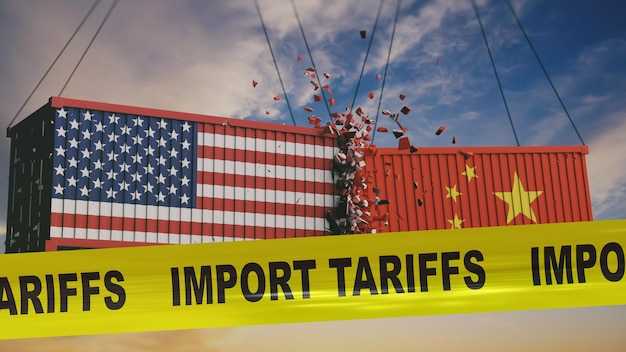
Choose the Pro plan for full access to every report, fast updates, and export-ready data you can drop into your workflows. This setup lets you act on the fallout from tariff policy with clarity and speed, without waiting for delayed briefings. For lighter needs, Starter covers these essentials at a lower price, while Enterprise offers a customized package for teams that require ilwu and other stakeholder involvement.
- Starter – Access to latest reports, daily briefings, and a 7‑day download window. Price: $9/month or $90/year (annual savings apply).
- Pro – All reports, unlimited downloads, year-over-year charts, import-ready exports, and API access for teams. Price: $29/month or $290/year.
- Enterprise – Dedicated account manager, custom dashboards, group discounts for ilwu and affiliated teams, and on-site or virtual training. Custom pricing.
These options scale with your needs. When tariffs shift, you gain visibility across Asia and other markets, with largest coverage in import volumes and policy indicators. April window pricing can reduce the upfront cost for annual commitments, and you can switch levels at renewal to match your changing workload and team size.
Billing terms
- Billing cycles and discounts – Choose monthly or yearly billing. Yearly payments lock in a fixed rate and provide a year-over-year comparison baseline for budgeting and quarterly reporting.
- Auto-renewal and renewal timing – Subscriptions auto-renew at term end. You’ll receive a reminder 30 days before renewal so you can adjust terms without disruption.
- Cancellation and refunds – You can cancel anytime before the next cycle; prorated refunds are available within the first 14 days of a new term if you need to pause or reevaluate. For enterprise agreements, refunds follow a dedicated policy negotiated at sign‑off.
- Payment methods – We accept credit cards, PayPal, and ACH; invoices are available for annual or enterprise arrangements. ilwu and other union-affiliated teams can arrange consolidated billing via the same channels.
- Access and support – Pro and Enterprise include faster support windows and priority access during peak periods; Starter users receive standard response times. If you need a custom window for reporting schedules, contact our team to arrange it.
If you are evaluating options for a specific window of work or a particular period of policy change, review the available reports and year-over-year trends in the April releases. For guidance on how these levels map to your import processes or early-warning needs, contact support or sales–we’ll align a plan with your timeline, including ilwu considerations and Asia‑focused data.
Related posts: next reads and cross-links for ongoing coverage
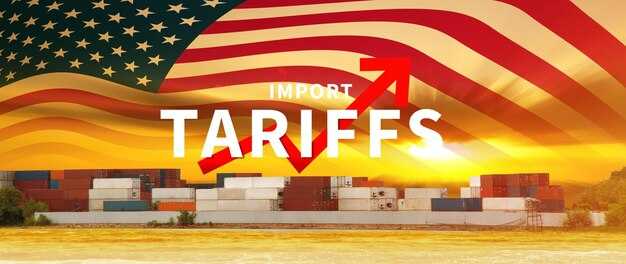
Follow this week’s assessment: track the suez corridor, imports, and the movements of vessels; international markets respond to early signals, united allies align to mitigate risks; accordingly, theyre watching the underlying association between tariffs and port efficiency; through weeks of data, a short window triggered by price moves could signal a broader movement in imports, with thailand and other routes bearing the brunt; that also frames how you read the linked posts.
Open these related posts now to deepen your understanding and connect the dots across policy and operations.
| Post | Focus | 링크 | 주요 데이터 |
|---|---|---|---|
| Ports under tariff pressure: Suez transit and vessel delays | suez, vessels, international | Ports under tariff pressure: Suez transit and vessel delays | Throughput fell 8% in weeks 7-12; some routes triggered longer layovers averaging 2.5 days |
| Thailand’s logistics resilience: near-term shifts | thailand, logistics, movement | Thailand’s logistics resilience: near-term shifts | Thailand imports grew 3.2% YoY; inland corridors expanded by 9% to reduce congestion |
| International alliances recalibrate: united front on tariffs | international, allies, united | International alliances recalibrate: united front on tariffs | Allied vessels share best practices; collective imports fell by 4% month-over-month |
| Court rulings and policy signals | court, news | Court rulings and policy signals | Recent court decisions triggered reroutes; average planning horizon shortened by 1.6 weeks |
| Assessment snapshots: early indicators for weeks ahead | assessment, early, weeks, movement, underlying | Assessment snapshots: early indicators for weeks ahead | Underlying trend shows persistent decline in imports; early signals point to a slower but ongoing movement toward diversification |