


 English (UK)
  Русский
  العربية
  日本語
日本語  한국어
한국어  Magyar
  Türkçe
  Español
  Čeština
  Svenska
  Português
  Ελληνικά
  Suomi
Suomi  Nederlands
  Română
  Italiano
  Français
  Polski
  Українська
  Deutsch
  简体中文
简体中文  Slovenčina
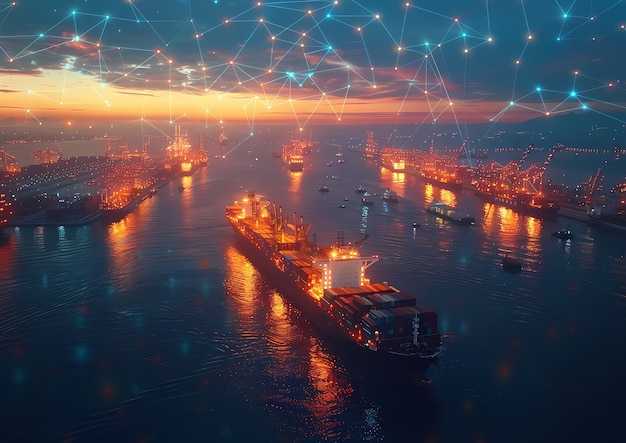
Adopt a blended fuel strategy centered on green hydrogen and low-emission biofuels now, and start pilots across the entire route network. MSC sees hydrogen and biofuels as the future fuel mix for shipping, and it can provide a practical roadmap for procurement teams to align them with long-term decarbonization goals. The approach lets teams rely on interoperable technologies, with early testing on key lanes delivering actionable data to guide scale-up.
Concrete data from trials show emissions reductions depend on the fuel and the supply chain. Green hydrogen produced from renewables can cut lifecycle emissions by up to 90% versus heavy fuel oil on selected routes, while biofuels such as ISCC-certified fats and oils or hydrotreated vegetable oil typically deliver 60-80% reductions, depending on feedstock and processing. To manage risk, start with a phased procurement plan and measure energy intensity as you scale.
Engaging cross-industry partners–ports, engine makers, fuel suppliers, insurers, and financiers–contributes to faster technology maturation. A conference this year will provide a platform to share data, which joins practical field insights there with policy signals to help operators plan investments and timelines.
To translate insights into action, build a procurement strategy that prioritizes long-term fuel guarantees, invest in bunkering infrastructure, and run pilot projects on flagship routes. Align with engine makers to ensure technologies are retrofitted and crews trained; monitor performance, fuel compatibility, and safety margins; keep track of costs and availability so supply chains remain reliable. This work will require cross-silo collaboration and clear governance.
There remains a path forward: as technologies become perfected, costs fall and supply chains mature. The entire industry benefits when procurement levers are aligned with route planning, port calls, and vessel design; with ongoing engaging forums and cross-industry collaboration, ship operators can move toward a decarbonized future.
MSC Sees Hydrogen and Biofuels in Shipping’s Future Fuel Mix and Hydrogen Council Collaboration
Recommend launching a three-year mediterranean pilot program to test hydrogen and biofuel blends on scheduled routes, targeting a 20% hydrogen-in-fuel injection by 2030 and 50% by 2035, with six corridors and a marketplace-ready plan to demonstrate a revenue-neutral model that scales with demand.
Hydrogen Council collaboration should establish a unified fuel standard, actively facilitate cross-border sharing of fuel data, and create a joint marketplace for supply and logistics that reduces downtime and cost disruption for fleets.
MSC sees hydrogen and biofuels as the future fuel mix and positions them as an alternative to traditional bunker fuels. Related pilots show blended solutions can cut sulfur emissions and improve carbon intensity across mediterranean ports while maintaining reliability for the fleet.
To overcome infrastructure gaps, the plan coordinates public-private funding to provide anchor investments in ports, storage, bunkering, and injection points, while building supply chain visibility that can scale with demand.
Active collaboration across industry stakeholders will capture massive volume growth as more terminals and shipyards join. There is growing investor appetite for early-stage deployment, and the source of hydrogen from renewable electricity and biofuel supply chains is critical. The approach must be engaging for customers and port authorities alike, with transparent reporting and sharing of results.
Given the scale, MSC must facilitate ongoing data sharing, track performance, and report progress quarterly; the partnership contributes to a diversified energy mix and a resilient marketplace that accepts blended fuels across the mediterranean fleet.
Which biofuels are MSC piloting on core routes?
Pilot HVO blends on mediterranean core routes now and scale renewable methanol on select corridors within 12–18 months.
Which biofuels are MSC piloting on core routes? The current program centers on three fuels with proven compatibility and scalable supply chains:
- Hydrotreated Vegetable Oil (HVO) blended with MGO up to 30–50% on a portion of the fleet serving mediterranean and adjacent EU corridors, preserving engine performance while cutting lifecycle emissions.
- FAME biodiesel blends (20–40%) on high-density container lanes and feeder services, with careful monitoring of storage, cold flow, and bunker compatibility.
- Renewable methanol (bio-methanol) as an alternative on selected short-haul core routes, enabling a near-term decarbonisation pathway and aligning with portside bunkering density.
To accelerate deployment, MSC forms partnerships with fuel suppliers, ports, and companies, embedding a darr framework to track data and performance. The maritime network in the mediterranean is expanding, strengthening marketplace options and giving the fleet confidence to scale. This development approach prioritises blended fuels first and includes a perfected handling process to ensure seamless container ship operations and smooth bunkering. Further steps include extending pilots to additional core routes and refining supply chains. These steps help decarbonise maritime operations.
What hydrogen readiness steps are needed for MSC ships?
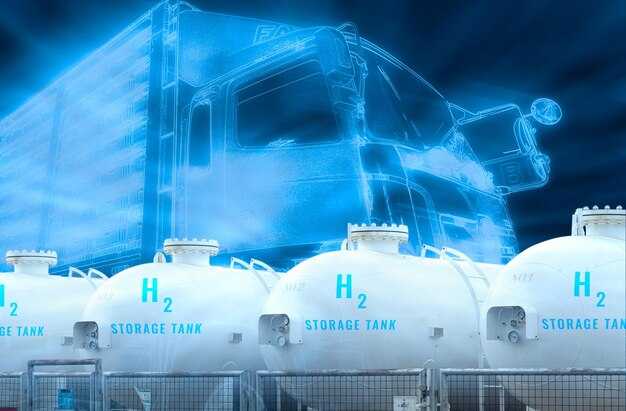
Begin with a term-based hydrogen readiness plan that decarbonise a subset of MSC shippings and push the broader fleet toward a measurable decarbonisation path, anchored by groups across member companies and external partners to guarantee a neutral, data-driven assessment of which technologies perform best.
Map routes and demand to determine the hydrogen source and the scale of on-board storage and injection needs. Evaluate options including high-pressure tanks, cryogenic LH2, and carrier-based approaches, and plan how injection will feed main engines or auxiliary power with clear safety interlocks and fuel-handling workflows, to capture learning for the next wave of upgrades.
Choose propulsion concepts MSC can retrofit: dual-fuel engines or hydrogen-only modules; outline the technical work, required certifications, and how systems will integrate with propulsion, power, and hull design.
Develop safety and compliance frameworks: standardised design rules, crew training, leak detection, bunkering procedures, and emergency response plans aligned with port authorities and flag states.
Build a massive bunkering and storage network in key ports to support a steady supply, plus on-shore generation or reliable hydrogen source injection; design a term-based sourcing approach with suppliers and ensure a neutral, traceable supply chain.
Set up governance across the groups: a cross-functional steering body, clear milestones, and a data-sharing term that measures fuel efficiency, emissions reductions, and operational risk, with feedback loops to scale the programme across the member fleet.
Which port and bunkering upgrades are planned to support hydrogen?
Implement a phased bunkering blueprint that pairs fixed hydrogen hubs with mobile units, using standardized 350/700 bar interfaces and dual-hose transfer. Equip berths with on-site electrolysis capacity of 10–20 MW where wind or solar is available, and store hydrogen in cryogenic tanks sized at 2 × 20,000 kg per berth. Ensure injection lines and shore connections meet ISO 19880-1 standards and include robust safety systems, leak detection, and pressure management. This configuration mainly targets reliable supply for large vessels while enabling rapid fueling, helping to overcome gaps during peak port calls. MSC says the approach centers on decarbonization and invites collaboration across groups including shippings, energy providers, and port authorities. The plan also contemplates both green hydrogen production and blue options that may rely on capture when CCS is deployed.
Given the need for scale, ports should align with conference-led industry work and standardization bodies to harmonize interfaces. Build partnerships with energy suppliers, equipment manufacturers, and shipping lines to share risk and investment, and establish a neutral governance model that prioritizes safety and interoperability. Define the source of hydrogen to ensure transparency, and prepare for injections and meters that support different hydrogen sources, including green electrolysis and blue hydrogen from low-emission reforming. Prioritize a phased rollout: start with a few berths per port, then expand as demand grows and maintenance schedules allow, while exploring alternative fuels integration where feasible.
| Port | Planned Upgrades | Capacity/Timeline | Partners/Notes |
|---|---|---|---|
| Port of Rotterdam (Netherlands) | Two fixed H2 bunkering berths at Maasvlakte; 350/700 bar delivery; on-site 10–20 MW electrolyzer; cryogenic storage for 2 × 20,000 kg; shore-to-ship injection lines; safety and monitoring | 2025–2027 (phase 1), full rollout by 2028 | Port Authority, major energy players, shipping lines; CCS pilot for blue H2 |
| Singapore | STS bunkering readiness; fixed 350 bar stations; on-site 5–10 MW electrolyzer; storage ~2 × 10,000 kg; pipeline tie-in to LNG hub; injection lines | 2026–2028 | MPA, local utilities, energy firms; emphasis on interoperable interfaces |
| Los Angeles/Long Beach (USA) | On-site green hydrogen production (5–15 MW); fixed berths; 350/700 bar; storage 2 × 15,000 kg; mobile bunkering support; injections and safety | 2027–2029 | Port Authorities, regional energy partners, shipping groups |
| Busan (South Korea) | Hydrogen bunkering readiness; fixed stations; 350/700 bar; on-site electrolyzer 5–10 MW; storage 2 × 8,000–12,000 kg; integration with national hydrogen grid | 2026–2028 | Busan Port Authority, energy companies, local shipowners |
These upgrades create a practical, scalable hydrogen supply chain at key hubs, supporting collaborations across development work and cross-border partnerships. The focus remains on clean source diversification, safe injection practices, and continuous improvement as shippings adopt hydrogen as a core element of the decarbonization agenda.
What milestones does the Hydrogen Council collaboration target and when?
Target deployments by 2025 and scale to mainstream use by 2030–2035, with concrete steps to decarbonize the entire shipping sector. The plan focuses on biofuels and hydrogen as alternative fuels, designed to raise efficiency and reduce emissions. Yesterday’s pilots validated the approach and provided information that fuels further development, which informs timelines for scale and sharing across companies.
- 2025 – Pilot deployments across three cross-border corridors to test hydrogen and biofuels blends aboard merchant ships. Target cumulative volume of 0.2 million tonnes of low-carbon fuels; aim for 10–15% efficiency gains on pilot routes; actively share findings to accelerate learning and establish related safety and operation standards among participating companies.
- 2027 – Scale-up framework established: standardized bunkering procedures, procurement processes, and safety rules; port readiness in 10 hubs; retrofit or conversion of 15 vessels; aim to reduce lifecycle emissions on the test routes by 20–25%; information sharing broadened to industry groups to support rapid implementation.
- 2030 – Commercial viability demonstrated on 5–7 major sea routes; fuel mix includes hydrogen and biofuels on a growing share of vessels, with 5–8% of newbuilds adopting low-carbon propulsion; production capacity for low-carbon fuels reaches about 2 million tonnes per year; price parity targets advanced to enable broader scale adoption.
- 2035 – Mainstream adoption across mid-sized and large fleets: 20–25% of newbuilds powered by hydrogen or biofuels; bunkering networks expand to 30+ hubs; overall volume of low-carbon fuels in shipping increases substantially, supporting a measurable decarbonization of main trade lanes while maintaining efficiency improvements in operations.
- 2040 – Extended scale and sustained development: 40–60% of new ships use low-carbon fuels; decarbonization of the entire sector accelerates, driven by continued collaboration and sharing of information; biofuels and hydrogen supply chains mature to support ongoing growth, with related sectors such as ports and logistics benefiting from the pioneering approach.
How will transition costs, incentives, and financing be managed?
Establish a pioneering, multi-stakeholder council that leads blended financing and procurement for fuel switch, with term sheets and volume forecasts to reduce upfront costs for container groups and fleets.
Agree on a shared risk framework where upfront capex for engines, storage, and bunkering infra is financed via SPVs and green bonds, with long-term offtake commitments from groups of companies. By spreading risk across a portfolio, a company can reduce the annualized cost of transition and accelerate the massive uptake of hydrogen and blended fuels. This framework contributes to predictable budgeting for sponsors and shipowners.
Link incentives to emissions outcomes and volume milestones, using subsidies, tax credits, and concessional lending from public programs. A push from ports and governments to create dedicated blending hubs reduces supply risk, while a council can authorize sharing of ramp-up costs across routes, ensuring there’s enough capacity to meet demand. The council will produce monthly reports to track progress and reinforce accountability.
Theres a need to set up reserve funds to handle price swings and port readiness delays, minimizing disruption to the fleet.
Launch a mass procurement program for fuels across suppliers to capture volume discounts, with a rolling tender for blended fuels and hydrogen-ready solutions. A container-fleet-wide procurement hub reduces price volatility, and the specs that suppliers must meet across ports along major corridors ensure reliability.
The financing framework uses a term of 7-12 years for engine retrofits and bunkering upgrades, with performance-based payments tied to fleet emissions reductions and fuel savings. Engaging shipping lines in a consortium creates a clear push for scalable solutions, ensuring there’s capacity as volumes rise along key corridors. Early pilots in three ports produce data on cost per ton-km and capture benefits from hydrogen blends and biofuels.