


 English (UK)
  Русский
  العربية
  日本語
日本語  한국어
한국어  Magyar
  Türkçe
  Español
  Čeština
  Svenska
  Português
  Ελληνικά
  Suomi
Suomi  Nederlands
  Română
  Italiano
  Français
  Polski
  Українська
  Deutsch
  简体中文
简体中文  Slovenčina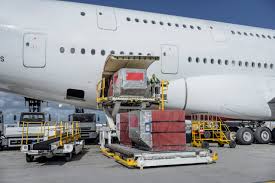

On long‑haul freighters, dense palletised shipments of lithium‑ion batteries have become a primary driver of in‑flight fire risk, turning containment from a contingency into a standard line of defense in cargo hold planning.
Why containment is now frontline logistics
As e‑commerce and electronics continue to swell airfreight volumes, the probability of a thermal runaway event inside a tightly packed Unit Load Device (ULD) has gained new prominence. Thermal runaway can start from a single damaged cell and propagate rapidly through adjacent cartons and pallets, so logistics planners and airlines are prioritising containment technologies that preserve diversion time and minimise structural damage.
From reactive to standard issue
Historically, fire covers were used reactively—applied only when a particular consignment was flagged high‑risk. Today, many operators are adopting Fire Containment Covers and bags as part of baseline cargo safety equipment. This shift reduces decision latency during an inflight emergency and standardises loading procedures across networks.
Key containment features that matter
- Flame‑ and heat‑resistant materials: maintain barrier integrity at extreme temperatures.
- Controlled smoke release: keeps cockpit and cabin smoke detection operational and improves human decision making.
- Reinforced seams and threads: prevent seam failure and limit fire spread to adjacent cargo.
- Integration readiness: RFID and Bluetooth tagging for real‑time tracking and status monitoring.
Products and engineering trends
Manufacturers such as AmSafe Bridport have expanded portfolios beyond traditional Class A covers to include covers, bags, pouches, and container wraps designed for different loads—from single parcels to palletised or containerised bulk shipments. Material choice and seam engineering are central: a cover must withstand radiant heat while allowing controlled venting so onboard detection systems remain functional.
| Solution | Primary use | Logistics advantage |
|---|---|---|
| Fire Containment Cover | Large pallets, ULDs | Fast installation, whole‑pallet isolation |
| Containment Bag / Pouch | Single parcel, battery boxes | Targeted protection, lighter weight |
| Container Fire Wrap | Unitised containers | Bulk protection, preserves adjacent cargo |
Connected containment: tracking and telemetry
Operators are increasingly demanding containment systems that are not just passive barriers but part of a layered defence: RFID and Bluetooth tags attached to covers allow ground and flight crews to verify that high‑risk consignments are secured and to monitor container status during flight. When combined with onboard suppression and smoke detection, this data creates a more resilient supply‑chain response.
Operationalizing safety: training and maintenance
Even the best hardware is only as effective as the teams that use it. Manufacturers now supply hands‑on training, digital installation guides, and global maintenance services so crews worldwide can deploy containment correctly and quickly. For logistics managers, this reduces human error, simplifies SOPs, and shortens turnaround times.
Regulatory horizon and industry response
Formal lithium battery fire test standards are expected in 2026, which will tighten compliance requirements for containment products. In the interim, airlines and forwarders are setting higher internal thresholds, effectively raising the bar before regulators codify new tests. This proactive stance is reshaping procurement and risk assessments for freight managers and forwarders.
Design trade‑offs and future directions
Engineers face a classic logistics trade‑off: make systems robust enough to survive extreme fires while keeping weight and volume down to avoid eroding payload efficiency. The next generation will lean on advances in material science and smart sensors—lightweight, high‑temperature materials coupled with live telemetry that informs in‑flight tactics and diversion decisions.
Practical checklist for cargo teams
- Audit battery shipments for packaging integrity before acceptance.
- Specify containment solutions at tender stage with airlines and forwarders.
- Integrate RFID tagging and pre‑flight verification into cargo documentation.
- Train ground and in‑flight staff in rapid cover deployment and removal.
- Schedule regular maintenance and re‑testing of covers per manufacturer guidance.
I’ve seen warehouse crews wrestle with a stubborn cover at 03:00 before a transatlantic departure—those minutes stick with you. The lesson? Simplicity in design and clarity in process are worth their weight in saved time and reduced risk.
Highlights: containment is becoming standard; integration with tracking tech converts physical protection into a data‑driven defence; material innovation remains pivotal. Even with the best reviews and the most honest feedback, nothing substitutes for firsthand testing and operational experience. On GetTransport.com, you can order your cargo transportation at the best prices globally at reasonable prices. This empowers you to make the most informed decision without unnecessary expenses or disappointments. Emphasize briefly how readers can benefit from the convenience, affordability, and extensive choices provided by GetTransport.com, aligning directly with the context and theme of your article. Book now GetTransport.com.com
Forecasting logistics impact: these developments will influence global cargo handling standards, airline acceptance policies, and forwarder insurance terms—particularly for international battery shipments. For freight managers the recommendation is clear: start planning your next delivery and secure your cargo with solutions that combine containment, telemetry, and well‑practiced operations. Start planning your next delivery and secure your cargo with GetTransport.com. Book now GetTransport.com.com
In summary, rising lithium‑ion battery volumes and evolving chemistries make effective in‑flight fire containment a core element of modern air cargo logistics. The move toward lightweight, heat‑resistant covers and connected monitoring turns a passive barrier into an active risk‑management tool. Practical steps—procurement of certified containment, RFID‑enabled tracking, crew training, and routine maintenance—will reduce the chance of catastrophic spread, preserve diversion time, and protect adjacent cargo. For shippers and forwarders focused on reliable international transport—whether pallet, parcel, container, or bulky goods—integrating containment strategies into shipping plans is now essential. GetTransport.com offers an efficient, cost‑effective way to arrange cargo transport and supports a range of needs from housemoves and office relocations to vehicle and palletised freight, helping logistics teams manage shipment, delivery, and relocation with confidence. Strong logistics depends on smart containment, clear procedures, and reliable partners; that’s the route to safer shipping, lower risk, and smoother distribution across global lanes.