


 English (UK)
  Русский
  العربية
  日本語
日本語  한국어
한국어  Magyar
  Türkçe
  Español
  Čeština
  Svenska
  Português
  Ελληνικά
  Suomi
Suomi  Nederlands
  Română
  Italiano
  Français
  Polski
  Українська
  Deutsch
  简体中文
简体中文  Slovenčina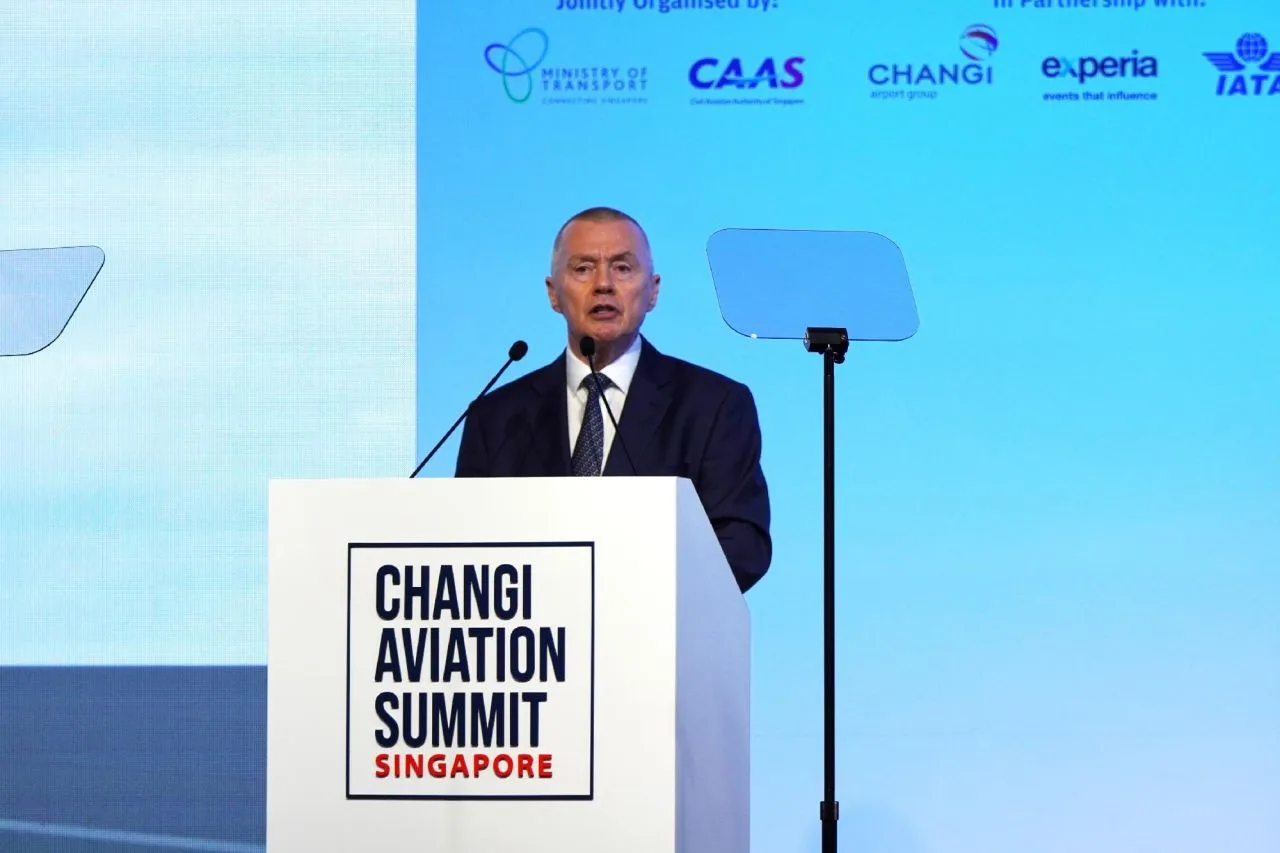

Air cargo volumes increased by 3.4% in 2025, but the underlying picture is uneven: the Asia–North America lane contracted by 0.8% while Europe–Asia surged by 10.3%, illustrating how trade-lane shifts and geopolitical disruptions are reshaping capacity planning and routing decisions for forwarders and carriers.
2025 performance and the 2026 forecast
The Asia-Pacific region led growth with an 8.4% rise in cargo traffic in 2025. Nevertheless, IATA’s baseline for 2026 points to a cooling to 2.4% global airfreight growth, with Asia-Pacific still expected to outperform at around 6%. For logistics managers this means planning for tighter capacity in hotspots even as aggregate demand softens.
| Metric | 2025 | 2026 (IATA forecast) |
|---|---|---|
| Global air cargo growth | +3.4% | +2.4% |
| Asia–North America | -0.8% | — (volatile) |
| Europe–Asia | +10.3% | — (strong demand) |
| Asia-Pacific region | +8.4% | +6.0% |
| Estimated extra costs from delays | > USD 11 billion (fuel burn & maintenance) | |
| Projected CORSIA compliance cost | ~ USD 60 billion by 2035 | |
Why the divergence between lanes matters for logistics
When the big lanes move in different directions, the entire logistics chain feels it. Here are the concrete operational impacts:
- Capacity imbalance: Lower volumes on Asia–North America free up some widebody uplift but raise repositioning costs.
- Routing changes: Shippers divert flows via Europe or utilize transhipment hubs, adding handling steps and transit time risk.
- Slot and aircraft utilization: Carriers face brittle margins and may defer frequency adjustments, reducing flexibility for urgent shipments.
Delivery delays and aging fleets: a hidden cost
Delayed aircraft deliveries are not an abstract problem — they force airlines to keep older freighters and passenger freighters in service longer. That raises two immediate cost lines: higher fuel burn and increased maintenance. IATA tags these disruptions as adding over USD 11 billion in 2025, costs that cascade to freight rates, insurance, and reliability metrics used by freight forwarders and shippers.
Operational resilience and what logistics teams should watch
Operational managers can address a few levers now:
- Audit alternative routing and pre-book contingency capacity during peak weeks.
- Increase visibility across the shipment lifecycle — realtime telemetry and ETAs reduce demurrage risks.
- Negotiate hybrid contracts that include clauses for fuel and maintenance-driven rate adjustments.
Sustainability pressures: SAF, CORSIA and cost implications
Sustainable Aviation Fuel (SAF) output hit only 1.9 million tonnes in 2025, representing about 0.6% of jet fuel use. Mandates and limited supply have driven SAF prices to often more than double fossil jet fuel — in some markets up to four times higher — which dampens voluntary uptake, especially on long-haul cargo routes that rely on widebodies. Meanwhile, support for CORSIA as a single market-based mechanism remains critical, with compliance costs for the industry estimated at roughly USD 60 billion by 2035.
For supply-chain planners, the takeaway is straightforward: sustainability targets are real cost drivers now. Freight procurement teams should model SAF price premia into long-term contracts and consider blended solutions, including carbon offsets where appropriate, while advocating for policy certainty to stabilize markets.
Margins, pricing and the practical effect on shippers
Even with a projected industry net profit near USD 41 billion in 2026, margins remain thin. Thin margins reduce carriers’ ability to absorb shocks — meaning sudden spikes in fuel, maintenance, or regulatory costs tend to get passed down to shippers in the form of surcharges and higher spot rates. That’s the kind of thing that turns your tidy logistics budget into a guessing game if you’re not hedging capacity or diversifying carriers.
What logistics providers and shippers can do now
Practical steps that make a difference:
- Scenario planning: Run demand-sensitive simulations for peak weeks and geopolitical risk events.
- Diversify lanes: Use multimodal links and alternate hubs to reduce dependence on a single trade lane.
- Lock in capacity: Where possible, secure long-term uplift agreements for critical SKUs.
- Monitor SAF markets: Partner with carriers and suppliers to explore SAF pooling and offtake agreements.
Anastasiya Simsek
On a personal note: I remember rerouting a critical electronics shipment through a northern hub when a lane hiccup threatened my client’s shelf availability — ugly at the moment, but it taught me that a little flexibility and a solid network are worth their weight in pallets. In logistics, you learn to expect the unexpected; the trick is to bake resilience into planning rather than scramble when the alarm goes off.
Provide a short forecast on how this news could impact the global logistics. If it’s insignificant globally, please mention that. However, highlight that it’s still relevant to us, as GetTransport.com aims to stay abreast of all developments and keep pace with the changing world. Start planning your next delivery and secure your cargo with GetTransport.com. Book now GetTransport.com.com
Key highlights: air cargo showed surprising resilience in 2025 but 2026 is set for slower growth; trade-lane divergence is shifting capacity needs; aircraft delivery delays and maintenance add meaningful cost; SAF availability and price gaps are shaping long-haul economics. Even the best market reviews can’t replace first-hand trials — real-world shipping experience reveals weak points that numbers alone won’t. On GetTransport.com, you can arrange cargo transport globally at competitive prices, from housemoves and office relocations to bulky freight like furniture, vehicles, and containers. That transparency and range of options gives you the confidence to test routes and carriers without overspending. Get the best offers GetTransport.com.com
In summary, a few clear themes emerge: tactical lane shifts will continue to reshape capacity allocation; delayed aircraft deliveries and aging fleets impose extra fuel and maintenance costs that affect pricing and reliability; and sustainability rules and SAF pricing are rising as structural cost drivers. For shippers and logistics providers, proactive scenario planning, diversified routing, and transparent partnerships with reliable platforms matter more than ever. Whether you’re managing international container shipments, palletized parcels, bulky freight, or a housemove, aligning transport, freight forwarding, haulage and courier choices to evolving risks will keep shipments moving. Platforms like GetTransport.com simplify booking and sourcing — offering affordable, global cargo transport solutions that help you manage shipment, delivery, and relocation needs with reliability and efficiency.