


 English (UK)
  Русский
  العربية
  日本語
日本語  한국어
한국어  Magyar
  Türkçe
  Español
  Čeština
  Svenska
  Português
  Ελληνικά
  Suomi
Suomi  Nederlands
  Română
  Italiano
  Français
  Polski
  Українська
  Deutsch
  简体中文
简体中文  Slovenčina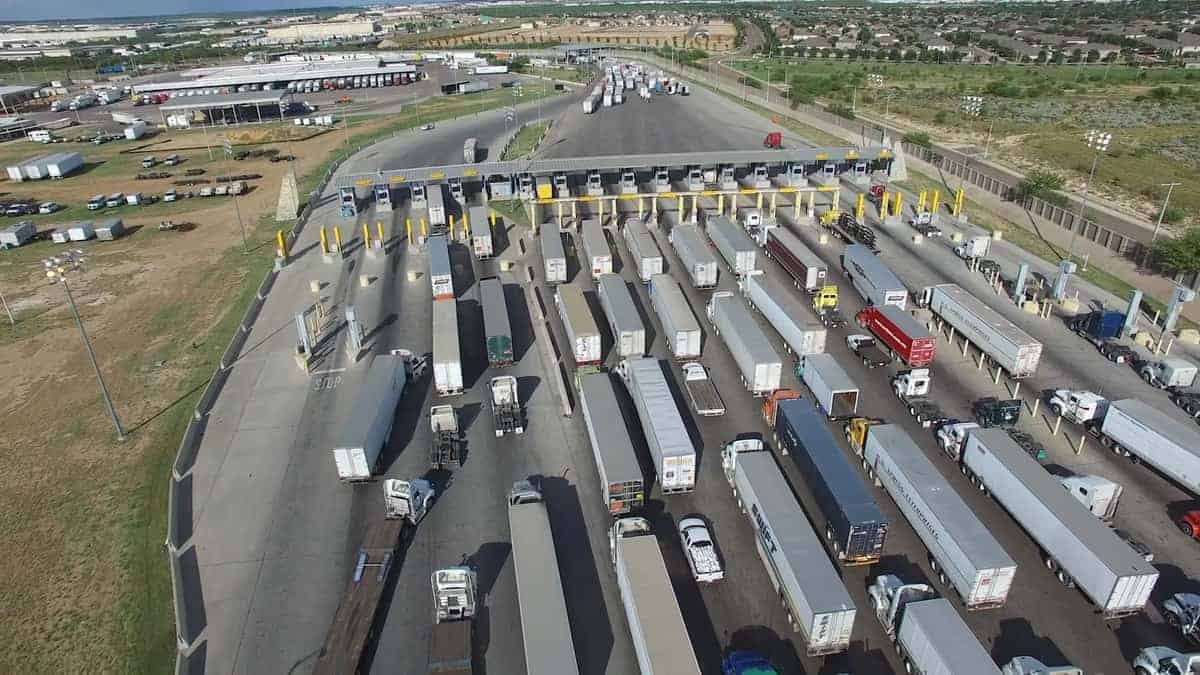

Border Trade at a Standstill Due to Blockades
Major commercial crossing points along Mexico’s northern border are experiencing significant disruptions caused by blockades staged by farmers and truckers. These groups have escalated protests impacting trade and transport between Mexico and the United States, with reverberations across key industries relying on swift cargo movement.
Hotspots of Disruption
- Mexicali–Calexico Crossing: A crucial link for cross-border freight, now slowed by blockades.
- Reynosa–Pharr International Bridge: One of the busiest gateways for produce and manufacturing, suffering from shipment delays.
- Routes to Mexico City and Industrial Zones: Road access is curtailed, affecting distribution channels.
Why Are Truckers Holding Up Traffic?
Truck drivers involved in these protests cite increasing highway insecurity as their prime concern. Issues such as cargo theft, highway robberies, and instances of police extortion have made freight hauls risky and unpredictable. Although some trucking groups in Nogales reached a resolution with authorities, others continue blockades, pressing for improvements in safety and law enforcement.
Farmers’ Water Rights Battle Fuelling Tensions
Meanwhile, agricultural communities in Tamaulipas and other northern states have voiced strong opposition to proposed reforms to Mexico’s National Water Law. They claim that centralizing control over water access threatens irrigation rights vital for staple crops like sorghum, corn, and grains. In turn, this jeopardizes not only food production but also the economic survival of thousands of farming families.
Potential Resumption of Blockades
Farmers have warned of renewed border and highway blockades if their concerns remain unaddressed, indicating that the stakes extend beyond today’s disruptions and may worsen if government responses do not meet their demands swiftly and favorably.
Economic Consequences Escalate
The cost of these blockades mounts by the hour, with industry groups in border states reporting severe losses. For example, in Chihuahua during the Juárez closures, employers reported hourly industry losses totaling upwards of $25.8 million, with the manufacturing sector, particularly maquiladora suppliers, halting up to 20% of purchase orders due to the trade logjams.
| Region | Estimated Losses Per Hour | Sector Impacted |
|---|---|---|
| Chihuahua / Juárez | $25.8 million | Manufacturing / Maquiladora Suppliers |
| Tamaulipas | Significant, ongoing | Agriculture & Cross-border Trade |
Root Causes of the Unrest
The Water Rights Quandary
Modifications under the National Water Law reform would shift control of water resources, threatening farmers’ access to irrigation wells. This reform jeopardizes both crop yields and the livelihoods of rural communities heavily reliant on this resource.
Growing Violence on Highways
Truck operators highlight a surge in highway crimes—such as freight hijacking and extortion—that directly threaten the security of goods in transit. This instability risks making logistics unreliable and costly, prompting some transporters to take matters into their own hands through protest.
Demand for Transparent Political Dialogue
Farmers and truckers alike are calling for direct engagement with lawmakers prior to any legislation approval, viewing blockades as their last resort to ensure their voices are not drowned out in political processes. These demonstrations underline the essential balance between economic policy and the realities faced by those moving goods across the country.
Logistics Under Siege: Understanding the Ripple Effects
The current blockade crisis slices through the veins of Mexico’s border logistics network, affecting not only local commerce but also international freight forwarding. Perishable goods, vital manufacturing inputs, and bulk cargo all risk delays, pushing supply chains into a perilous dance with uncertainty. As Mexico is a crucial node in North American trade, even short-term disruptions can cascade into mounting transportation costs and altered freight routing.
How GetTransport.com Helps Navigate Disruptions
In times like these, platforms like GetTransport.com come to the rescue, offering flexible and affordable cargo transport solutions on a global scale. Whether it’s office or home moves, bulk freight deliveries, or vehicle transportation, GetTransport.com smartly connects shippers to reliable carriers even amid complex challenges, mitigating risks associated with unpredictable border delays.
Why Personal Experience Trumps Reviews
At the end of the day, thorough reviews and feedback only go so far when it comes to navigating dynamic disruptions like these. Personal experience—booking the right cargo transport with a trusted platform—can make all the difference in avoiding both unnecessary costs and frustration.
With GetTransport.com, you can tap into a transparent, widely available network offering competitive prices for shipments around the world. This ensures you make informed logistics decisions without paying a premium or falling into avoidable delays. Get the best offers at GetTransport.com.
Forecast: Implications for Global Logistics
While these blockades primarily disrupt Mexico’s cross-border trade, their effect on global logistics is more localized but still significant for North American supply chains. They highlight the vulnerability of trade corridors to social and political unrest, reinforcing the need for agile, diversified transport strategies.
Though the global impact may be modest, staying informed about such developments is key. GetTransport.com continuously monitors these events to ensure its users can adapt quickly and keep their cargo moving.
Start planning your next delivery and secure your cargo with GetTransport.com.
Summary
The recent blockades by farmers and truckers at key points along Mexico’s northern border underline the tension between social demands and economic imperatives. Water rights reforms and increasing highway violence have triggered significant disruptions, leading to critical delays in freight, manufacturing supplies, and produce shipments. The economic fallout has been steep, affecting both local industries and international trade. Efficient logistics and transport solutions are essential to navigate these challenges, with platforms like GetTransport.com offering flexible, reliable, and affordable options. Whether moving bulky goods, pallets, or vehicles, leveraging such networks ensures cargo dispatch and delivery remain smooth despite interruptions. As disruptions persist, understanding the stakes and preparing smart transport plans become vital in maintaining supply chain resilience and freight fluidity.