


 English (UK)
  Русский
  العربية
  日本語
日本語  한국어
한국어  Magyar
  Türkçe
  Español
  Čeština
  Svenska
  Português
  Ελληνικά
  Suomi
Suomi  Nederlands
  Română
  Italiano
  Français
  Polski
  Українська
  Deutsch
  简体中文
简体中文  Slovenčina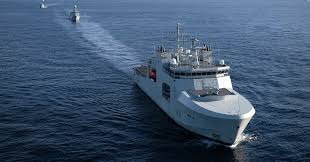

Canada Gears Up for its Second Antarctic Expedition
Canada is setting its sights on a follow-up expedition to Antarctica in 2026, marking a significant step to broaden its scientific research and operational experience in the region. Earlier in 2025, the country embarked on its maiden naval mission to the southernmost continent with the HMCS Margaret Brooke, signaling a new era in Canadian polar presence.
The ship’s initial deployment largely served as a proving ground, and with lessons learned, plans for a second mission are underway. The Royal Canadian Navy is at the helm of the expedition’s planning, aiming to deepen scientific inquiry and operational capabilities in the harsh Antarctic environment. This move not only reflects Canada’s strategic interest in the polar regions but also highlights evolving demands on international maritime logistics in extreme conditions.
Europe’s Decarbonization of Shipping Encounters Fuel Production Hurdles
Europe’s drive to cut shipping emissions faces a stiff challenge from lagging alternative fuel production, even as the continent pushes aggressive climate goals. Progress in generating green hydrogen and various e-fuels remains sluggish, with the largest e-fuel production facility for maritime applications only coming online recently.
The fragile supply chain of these eco-friendly fuels threatens to slow the transition of shipping fleets to cleaner energy sources. Despite high-profile environmental initiatives, Europe still struggles with scaling e-fuel production to meet demand. This bottleneck in the fuel supply chain poses notable implications for freight transport, shipping emissions, and global forwarding logistics strategies.
Bagamoyo Port Project Marks a Turning Point for Tanzania’s Maritime Infrastructure
After years of back-and-forth, momentum finally builds behind the Bagamoyo Port construction in Tanzania. The Tanzania Ports Authority entrusted Africa Global Logistics, a subsidiary of MSC, to lead the design, construction, and initial operations at this new strategic gateway.
The project includes building three berths scheduled to kick off early next year, which will significantly enhance East Africa’s cargo handling capacity and offer a boost for regional haulage and distribution channels. This development reflects a wider trend where infrastructural upgrades seek to better integrate African ports into the global shipping and logistics networks.
Rising Security Risks Weigh Heavily on Western Indian Ocean Economy
The Western Indian Ocean’s expansive maritime domain faces increasing threats, with a persistent piracy resurgence near Somalia and ongoing security uncertainties in the Red Sea. A notable incident recently involved pirates boarding the Maltese-flagged tanker Hellas Aphrodite, underscoring the volatility of this critical shipping corridor.
These security challenges inflict an estimated annual economic loss exceeding a billion dollars for the regional blue economy potential. Shipping firms, freight forwarders, and cargo operators must navigate these risks, which could affect insurance costs, route planning, and the overall reliability of maritime supply chains in the region.
Summary Table: Key Maritime Developments and Logistics Impact
| Topic | Development | Logistics Impact |
|---|---|---|
| Canada’s Antarctic Expedition | Second naval deployment planned for 2026 | Enhances polar operational capacity; challenges cold climate logistics |
| Europe E-Fuel Production | Slow growth in green hydrogen facilities | Delays shipping decarbonization; affects fuel sourcing for fleets |
| Bagamoyo Port Tanzania | Construction of three new berths by MSC subsidiary | Improves cargo throughput; boosts regional freight and distribution |
| Western Indian Ocean Security | Increased piracy and security incidents | Raises risk premiums; impacts route security and shipment reliability |
What These Maritime Shifts Mean for Global Transport
These unfolding stories—from polar expeditions to port expansions and emerging security concerns—offer a peek into the evolving landscape of maritime logistics. Each presents unique challenges and opportunities that affect everything from international shipping routes and fuel sourcing to cargo dispatch and haulage planning.
It’s a good reminder that logistics professionals and freight operators must stay nimble and informed. Weathering the cold extremes of Antarctica, adapting to new eco-friendly fuels, leveraging infrastructural upgrades in East Africa, and mitigating security threats off the Horn of Africa are all part of today’s complex supply chain puzzle.
Embracing Practical Insights Over Opinions
No matter how detailed reviews or honest feedback might be, nothing beats firsthand experience when navigating logistics challenges. Platforms like GetTransport.com provide a vast array of affordable, reliable shipping options worldwide, whether relocating offices, transporting heavy cargo like vehicles or furniture, or managing international freight forwarding.
This transparency and convenience empower logistics planners to make smart decisions with confidence—cutting unnecessary costs and reducing delivery disappointments. Whether you’re coordinating a house move or arranging pallet shipments across borders, having access to competitive, global transport choices tailored to your needs is priceless. Book your cargo transportation at the best rates and tap into the extensive network on GetTransport.com.
Looking Ahead: Implications for Global Logistics
While Canada’s Antarctic mission and Europe’s e-fuel hurdles may seem niche, they reflect broader currents influencing supply chains, especially those involving challenging environments and clean energy mandates. The Bagamoyo Port’s rise illustrates Africa’s growing role in global freight, and security disruptions in the Indian Ocean remind us of vulnerabilities in vital maritime chokepoints.
Though these events might not alone overhaul global logistics, staying attuned to their developments remains crucial. GetTransport.com keeps pace with these shifts, offering shippers and freight forwarders the tools to adapt swiftly and deliver reliably. Start planning your next delivery and secure your cargo with GetTransport.com.
Conclusion
The evolving landscape of maritime operations is marked by Canada’s expanding Antarctic expeditions, Europe’s struggle with alternative fuel supplies, advancing port projects in Tanzania, and heightened maritime security risks in the Western Indian Ocean. For logistics, these developments signal the importance of agility, innovative fuel strategies, infrastructure enhancements, and robust risk management.
Through its transparent platform, GetTransport.com simplifies global freight forwarding and cargo dispatch by connecting users with versatile and cost-effective transportation solutions worldwide. Whether the task is moving bulky items, managing international shipments, or navigating complex supply chains, this service provides reliable support for all logistics needs.