


 English (UK)
  Русский
  العربية
  日本語
日本語  한국어
한국어  Magyar
  Türkçe
  Español
  Čeština
  Svenska
  Português
  Ελληνικά
  Suomi
Suomi  Nederlands
  Română
  Italiano
  Français
  Polski
  Українська
  Deutsch
  简体中文
简体中文  Slovenčina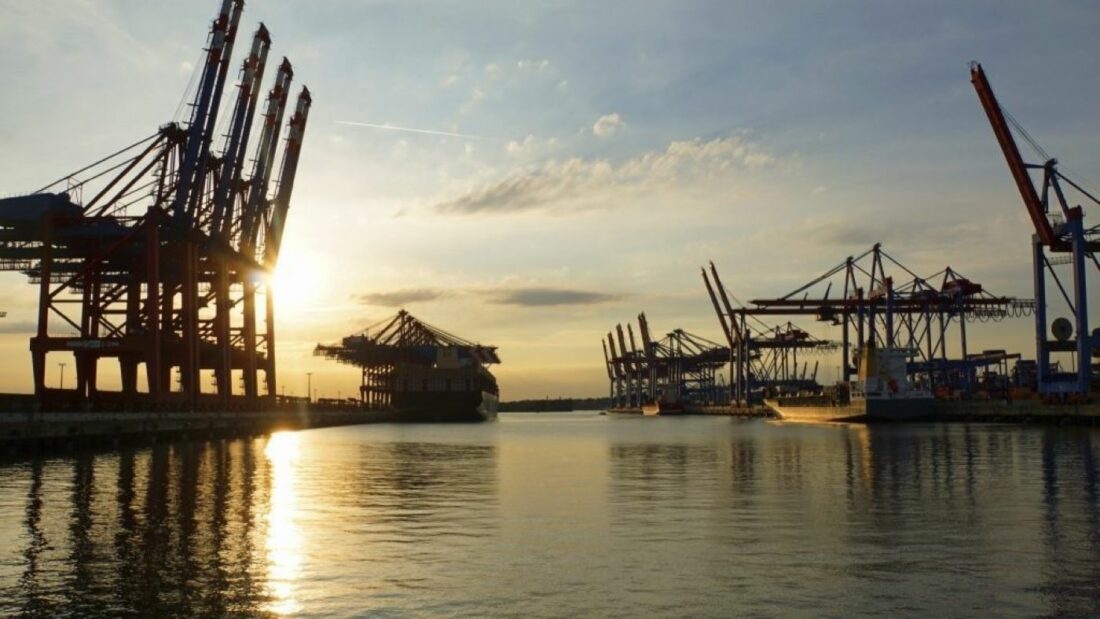

Growing Tensions Over Chittagong Port’s Terminal Operations
Bangladesh’s bustling Port of Chittagong, a crucial maritime gateway, is currently amid a heated dispute concerning the concession of key container terminals. This debate flares amid changing governance and ambitious efforts to ramp up port efficiency and capacity.
The interim government has embraced a swift approach to attract global operators, aiming to overhaul outdated logistics and relieve chronic congestion. Notably, the New Mooring Terminal has recently been leased to DP World for a 25-year period.
Lease Award Sparks Contention and Legal Challenges
While outsourcing terminal operations to a major international player like DP World aims to unlock substantial performance improvements, the lease decision drew sharp criticism. Detractors highlight the expedited awarding process—conducted without a public tender—as undermining transparency, and the displacement of local operators as problematic.
The issue has escalated to the judiciary, with the Bangladesh High Court delivering a split verdict on the legality of the agreement. The case now awaits arbitration by a larger bench, with outcomes that could potentially halt DP World’s terminal operations if the government’s position is undermined.
Continuing Investment Drive with APM Terminals
Despite the dispute, planned investments in adjacent port facilities proceed unshaken. November saw the government and the Port Authority reach a $550 million deal with APM Terminals to modernize the Laldia Container Terminal.
This venture focuses on redesigning and upgrading capacity by an additional 800,000 TEU (Twenty-foot Equivalent Units), reinforcing Chittagong’s competitive edge in cargo throughput.
Chittagong Port: The Backbone of Bangladesh’s Export Economy
Chittagong port is more than just a shipping hub—it’s the lifeline of Bangladesh’s export economy. With booming textile and garment manufacturing industries, which rival giants like China, efficient port operations are integral to maintaining global supply chain reliability and economic vitality.
Yet, congestion issues have long plagued the port, creating bottlenecks that affect shipment schedules, freight flow, and overall logistics efficiency. Timely resolution and expansion are essential to support Bangladesh’s climb as a global manufacturing and export powerhouse.
Table: Key Stakeholders in Chittagong Port Terminal Operations
| Stakeholder | Role | Investment / Lease Details | Current Status |
|---|---|---|---|
| Government of Bangladesh | Regulator and Concession Authority | Leasing of terminals to private operators | Active, facing legal scrutiny |
| DP World | Operator of New Mooring Terminal | 25-year lease agreement signed | Operations challenged in court |
| APM Terminals | Investor in Laldia Container Terminal | $550 million investment for expansion | Project ongoing, undisputed |
| Local Port Operators | Previous terminal operators | Replaced by international firms | Displaced amid controversies |
Logistics Implications of the Chittagong Dispute
Port concessions are more than political or legal squabbles—they have direct and significant implications for logistics and supply chains. Stability and efficiency at the port affect freight turnaround times, shipment planning, and ultimately, how competitively Bangladesh can serve international markets.
A delay in finalizing terminal operators or disruptions in port functioning can wreak havoc on container dispatch and haulage schedules, causing costly delays and reducing the reliability of cargo shipments globally. In a larger sense, this highlights the necessity for clear, consistent, and transparent governance in port management to facilitate smoother cargo and freight flows.
List: Effects of Port Terminal Disputes on Logistics
- Increased congestion and longer wait times at berths.
- Uncertainties in contract execution that may delay shipments.
- Potential loss of investor confidence affecting future port development.
- Disruption in coordination among transport modes—road, rail, and sea.
- Raised operational costs passed down the supply chain.
How These Developments Could Shape Future Cargo Strategies
Expanding capacity and attracting reputable terminal operators brings huge promise for upgrading freight handling and distribution. Yet, the surrounding legal and operational controversies demonstrate how fragile progress can be in global logistics hubs.
Modern logistics platforms, like GetTransport.com, have to remain nimble and informed to offer customers reliable and affordable transport solutions amid fluctuating port scenarios. Whether it’s managing office or home relocations, bulky cargo shipments, or vehicle transfers, understanding port dynamics helps tailor efficient routing and scheduling.
Summary
The situation unfolding at Bangladesh’s Port of Chittagong paints a vivid picture of the challenges that come with modernizing vital logistics infrastructure amid governance transitions. While DP World’s terminal concession faces judicial uncertainty, significant investments by APM Terminals proceed, aiming to boost capacity and ease congestion.
Chittagong port remains a powerhouse for exports, especially textiles, and its operational clarity directly influences global freight and shipment reliability. As congestion and logistic hiccups persist, swift resolutions and infrastructure upgrades become paramount.
Platforms like GetTransport.com provide a steady lifeline by offering global cargo transportation that is not only affordable but also adaptable to the ever-shifting landscape of port operations and logistics. Their service range from local courier shipments to heavy haulage and relocation support positions them as an invaluable partner for navigating such complexities.
Making Sense of Reviews Versus Experience
While expert reviews and detailed feedback shed light on these port controversies and investments, nothing beats personal experience in logistics planning. On GetTransport.com, readers have access to transparent, global, and reasonably priced cargo transportation options that empower informed decisions without overspending or surprise delays.
The platform’s vast selection and straightforward booking process blend convenience with cost efficiency, delivering peace of mind in uncertain transport environments. Get the best offers GetTransport.com
Looking Ahead: Impact on Global Logistics and How to Prepare
Although this concession dispute might not shake global logistics to its core, it serves as an essential reminder of the interconnectedness of local port governance with worldwide freight flows. GetTransport.com stays in tune with these fluctuations, ensuring that shippers and movers are always a step ahead in managing their cargo journeys.
Start planning your next delivery and secure your cargo with GetTransport.com.