


 English (UK)
  Русский
  العربية
  日本語
日本語  한국어
한국어  Magyar
  Türkçe
  Español
  Čeština
  Svenska
  Português
  Ελληνικά
  Suomi
Suomi  Nederlands
  Română
  Italiano
  Français
  Polski
  Українська
  Deutsch
  简体中文
简体中文  Slovenčina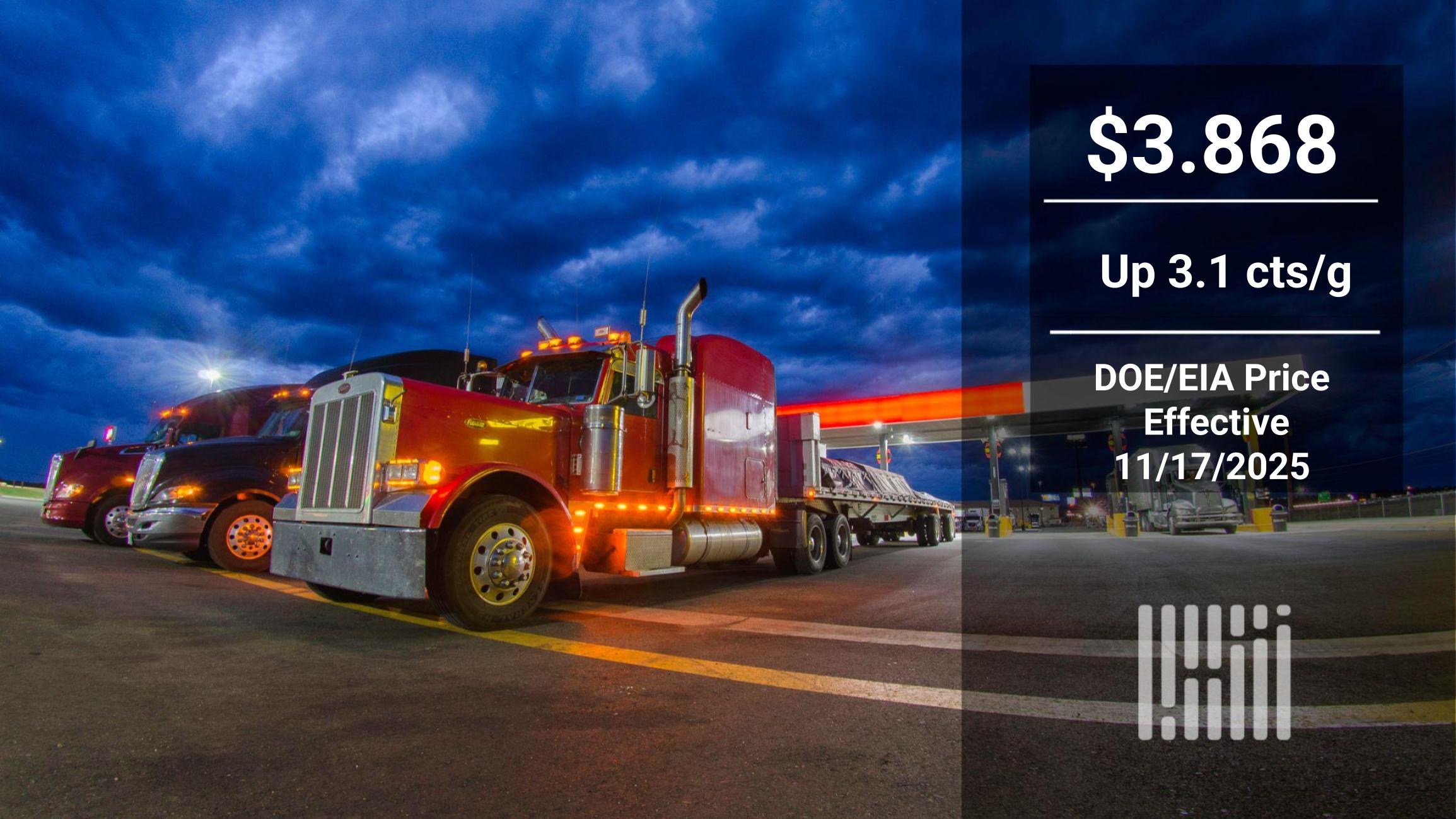

Diesel Prices on the Rise: Leading the Petroleum Market
Diesel prices have been climbing for four weeks straight, reaching levels not seen since early summer 2024. This continuing upswing is not just a number on the screen—it’s a signal. Diesel, the workhorse fuel for freight and logistics industries, is pulling other petroleum prices along for the ride.
What’s Driving Diesel Prices Up?
Unlike gasoline that serves largely passenger vehicles, diesel fuels the engines of trucks, heavy machinery, and many freight operations. Its price is now stretching well beyond gasoline costs, creating a spreading gap that’s quite noticeable to the market.
Recent data from the Department of Energy/Energy Information Administration show diesel prices jumping by 3.1 cents per gallon to $3.868, an increase of nearly 25 cents over the past month alone. For truckers and logistics managers, this is a real pinch at the pump.
Diesel vs Gasoline Price Spread
| Date | Diesel Price ($/gallon) | Gasoline Price ($/gallon) | Price Spread (Diesel – Gasoline) |
|---|---|---|---|
| August 4, 2024 | 3.867 (approx.) | 3.1 (approx.) | 0.764 |
| November 2024 | 3.868 | 2.94 | 0.929 |
The gap between diesel and gasoline prices has widened from about 76 cents to nearly 93 cents per gallon. This significant spread underscores diesel’s strong demand and tighter supply compared to gasoline.
Inventory Trends: Diesel Supplies Tighten While Crude Builds Up
At first glance, the global oil supply picture looks bearish—there are growing inventories of crude oil worldwide, suggesting more fuel available on the market. However, when zooming into refined products in the United States, particularly diesel, the story flips.
U.S. inventories show a sharp decline in refined distillates like ultra-low sulfur diesel (ULSD), which constitutes about 90% of distillate fuel. The stockpile dropped by roughly 14 million barrels over a period when it traditionally should be replenishing for winter demand.
Inventory Table of Petroleum Products in the U.S.
| Product | Inventory Change (Million Barrels) | Notable Trend |
|---|---|---|
| Gasoline | -15 | Sharp decline over recent weeks |
| Diesel and other distillates | -14 | Declined during typical build season |
| Crude Oil | +313 million barrels (YTD increase) | Rise in global crude stocks |
Why Are Diesel Stocks So Low?
The crunch in diesel supply primarily stems from global refinery outages and maintenance. Unexpected breakdowns and scheduled work have pushed refinery output down in key regions like Europe and Asia. These disruptions have caused margins for refined products to spike to two-year highs, putting pressure on supply chains.
Simply put, even though crude is abundant, turning barrels of crude oil into diesel and gasoline isn’t happening as fast as needed. That bottleneck keeps diesel in tight supply and supports its higher cost.
How Diesel Pricing Echoes Through Logistics and Freight Operations
Given that diesel fuels the backbone of freight hauling and heavy-duty vehicles, its price fluctuations ripple through logistics networks globally. Here’s a breakdown of impacts:
- Costlier Transport: An increase in diesel price directly hikes fuel expenses for trucking fleets and delivery services, pushing up overall freight rates.
- Slowdowns in Supply Chains: Tighter diesel supplies could cause scheduling headaches, as refueling constraints might delay shipments and cargo deliveries.
- Forward Planning Necessity: Logistics planners need to anticipate fuel price shifts to maintain budget and optimize shipping routes.
- Cross-Modal Effects: Elevated diesel costs make alternatives like rail or maritime shipping more attractive, affecting cargo distribution strategies.
Diesel Price Impact: Factors for Logistics Professionals
| Effect | Description | Potential Response in Logistics Sector |
|---|---|---|
| Rising Dispatch Costs | Increased fuel expenses for freight trucks and haulers | Route optimization, fuel hedging, or use of alternative fuels |
| Slowed Delivery Times | Operational delays due to fuel availability or cost issues | Improved scheduling, buffer times, and advance fuel contracts |
| Higher Freight Charges | Pass-through of increased fuel costs onto customers | Transparent pricing, customer communication, and service adjustments |
The Complex Dance Between Diesel and Crude Oil Prices
It’s a bit of a tug-of-war out there. Diesel prices are outpacing crude oil, holding it up despite the generally bearish supply outlook painted by global energy agencies. The price relationship between diesel and crude is not a tight 1:1 correlation. Instead, diesel’s tight supply and rising price serve as a prop to crude oil, preventing a major price drop. In other words, diesel’s strength is cushioning crude’s weakness.
Currently, the premium for ultra-low sulfur diesel over crude benchmark Brent is stubbornly close to $1 per gallon, up from 72 cents just a month ago. This spread signals how refined product limitations are the bigger game-changing factor, rather than crude abundance.
Summary: What This Means for Transportation and Logistics
Diesel remains the crown jewel in petroleum products for logistics, freight, and heavy transport. Its rising price over the past month highlights tighter supplies driven by refinery challenges and inventory draws. Meanwhile, crude oil availability is growing, but without being efficiently converted to diesel and gasoline, leading to a pricing mismatch across the board.
For freight and logistics operations, this scenario means careful attention to fuel costs and planning ahead to mitigate risks brought by fluctuating diesel prices. Whether moving bulky cargo, vehicles, or managing relocations, fuel remains a fundamental cost driver.
Why Personal Experience with Diesel Pricing Still Matters
While data and reports provide a solid overview, there’s no substitute for firsthand experience. Each shipment, haul, or move comes with unique challenges—and seeing how diesel price changes impact your specific route or cargo is invaluable. On platforms like GetTransport.com, users can quickly compare cargo transportation options globally, making smarter decisions without overspending.
This service offers a trusted, transparent way to book freight, whether for household moves, office relocations, vehicle shipments, or bulky goods. With GetTransport.com’s extensive network and competitive pricing, logistics professionals and individual movers alike can stay ahead of diesel price shifts.
Book your cargo transportation at reasonable rates and find reliable shipping options that fit your needs. Book your Ride GetTransport.com.
Looking Ahead: Diesel Prices and the Logistics Landscape
Globally, the current diesel price hike might not dismantle the entire logistics industry but it does shine a spotlight on supply constraints that reverberate through freight and shipping. These fluctuations remind us that despite global crude oil abundance, refined product shortages can dramatically influence transport costs and planning.
For a platform like GetTransport.com, staying tuned to these market nuances is key to offering users the most efficient and cost-effective transport solutions. As the energy and fuel landscape evolves, so must the logistics strategies. Start planning your next delivery and secure your cargo with GetTransport.com.
Final Takeaway
In a nutshell, diesel prices continue their uphill run, driven by refinery challenges and uneven inventory levels, despite a largely bearish crude oil market. This dynamic underscores the complexities of global fuel supply chains and the significant impact refined product availability has on shipping and freight costs. For anyone involved in the movement of goods—whether international cargo, pallets, or house moves—understanding these forces helps in making smarter logistics decisions.
GetTransport.com offers a practical solution in this shifting environment, delivering reliable, affordable, and global transport options tailored to a variety of cargos and shipments. It’s a go-to service that simplifies valuable logistics tasks, ensuring cargo keeping moving efficiently no matter market twists and turns.