


 English (UK)
  Русский
  العربية
  日本語
日本語  한국어
한국어  Magyar
  Türkçe
  Español
  Čeština
  Svenska
  Português
  Ελληνικά
  Suomi
Suomi  Nederlands
  Română
  Italiano
  Français
  Polski
  Українська
  Deutsch
  简体中文
简体中文  Slovenčina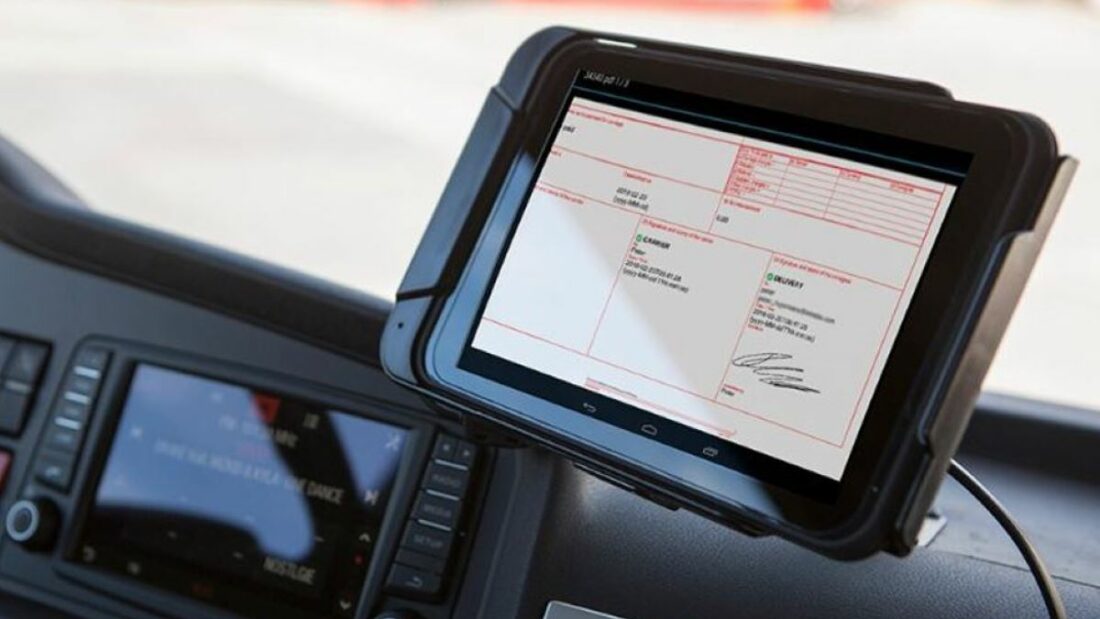

The Shift to Electronic Consignment Notes in Road Transport
Starting from September 5, 2026, paper consignment notes will become a thing of the past in Spain’s road transport sector, as established by the Law 9/2025 on Sustainable Mobility. This legislative leap signals a comprehensive digital transformation in freight and passenger transport documentation, requiring all administrative control documents for cargo and passenger road transport to be exclusively electronic.
Digitalization as a Driving Force in Transport Logistics
The mandate to adopt the electronic consignment note, regulated by the Order FOM/2861/2012, marks a pivotal point toward full digital integration for road transport. All parties involved in the transport chain—be it cargo or passenger services—must comply within ten months from the law’s effective date, enforcing complete digitization starting September 5, 2026.
This transformation is expected to streamline administrative processes, reduce paperwork errors, and speed up clearance and freight management, ultimately enhancing operational efficiency across logistics chains.
Enhancements in Driver Safety and Infrastructure
The new law not only drives digital innovation but also emphasizes improving physical conditions for professional drivers. Authorities are tasked with creating secure parking areas and dedicated zones for hazardous goods transport. These secure rest areas help professional drivers comply with mandatory rest and driving time regulations, promoting safer roads and more reliable freight delivery schedules.
Table: Key Components of the Sustainable Mobility Law Affecting Road Transport
| Law Feature | Description | Impact on Logistics |
|---|---|---|
| Mandatory Electronic Consignment Note | Transition from paper to digital documentation from September 2026. | Faster cargo verification, improved tracking, reduced administrative delays. |
| Secure Driver Parking Zones | Creation of protected rest areas for drivers. | Enhances driver safety and compliance with rest regulations, minimizing transport disruptions. |
| Carbon Footprint Reporting | Obligation to calculate and disclose transport emissions. | Encourages greener transport choices, affecting fleet management and fuel options. |
| Fleet Renewal Incentives | Plans to promote low/zero emission vehicles and retire old vehicles. | Accelerates modernization of fleets, impacting transport costs and environmental compliance. |
| Low Emission Zones (LEZ) | Municipalities can levy fees on high-pollution vehicles entering LEZs. | Influences route planning and fleet composition for logistics operators. |
| Digital Route and Passenger Info | Real-time electronic information on passenger transport schedules and incidents. | Improves service reliability and customer experience in passenger logistics. |
Environmental Accountability in Transport Operations
A strong environmental component underpins the law’s updates. Transport companies will be required to calculate their carbon footprint for all services, supported by auditable energy and environmental management systems. This will push the logistics sector to adopt cleaner fuels and more efficient practices, aligning with global trends toward sustainability in freight and passenger movement.
Promoting Green Fleets
The legislation encourages fleet modernization with initiatives supporting zero and low-emission vehicles. Incentive programs will be set up aiming to phase out older, more polluting vehicles, affecting trucks, buses, vans, cars, and even motorcycles. Logistics operators should anticipate adjusting procurement and operational strategies to meet these new environmental standards.
Revamping Passenger Transport with Digital Tools
The law also reshapes road passenger transport by introducing three service categories: regular, discretionary, and on-demand, ensuring improved mobility throughout diverse territorial areas, including sparsely populated regions. Within ten months of the law’s implementation, electronic route sheets become mandatory, complemented by real-time digital information on schedules, incidents, and accessibility.
Navigating Regulatory Changes and New Logistics Nodes
The updated framework also redefines collaborative mobility services such as carpooling, classifying them as private transports exempt from some authorization requirements. This clarification helps separate commercial logistics operations from private initiatives, simplifying the regulatory landscape.
Significantly, the law introduces the concept of Logistics Nodes—digital and physical intermodal hubs designed to open access to all operators, facilitating seamless modal exchanges and promoting a competitive, integrated transport network. These nodes are expected to enhance cargo distribution efficiency and coordination, directly impacting freight forwarding and supply chain operations.
Highlights and Practical Implications for Logistics
- Full digitization of transport documentation will reduce paper-based errors and speed up freight processing.
- Establishment of secure driver parking zones boosts safety, reducing delays caused by non-compliance with rest regulations.
- Mandatory carbon tracking empowers logistics providers to monitor environmental impact and make greener choices.
- Fleet renewal incentives foster modern, compliant vehicles, potentially lowering operating costs and emissions.
- The creation of digital logistic hubs or nodes will streamline cargo transfer between transport modes.
Yet, even the best outlines and most transparent regulations can only set the stage. The real test lies in hands-on experience—how these changes affect operations day-to-day on the roads and terminals. Thanks to the transparent and easy-to-use platform GetTransport.com, businesses and individuals can navigate this new landscape efficiently. Whether it’s moving bulky goods, shipping pallets, or relocating office or home, GetTransport.com offers a global array of reliable cargo transportation options at competitive prices. This empowers users to test services with confidence and avoid any “sticker shock” or unexpected hurdles. Book your ride at GetTransport.com and experience firsthand the transformation in logistics simplicity and affordability.
Impact on Global Logistics and Forward Look
While this landmark law mainly influences Spain’s domestic road transport, its ripple effects will resonate beyond borders. Digitalization and environmental accountability are themes echoed worldwide, and such national initiatives often serve as blueprints for broader EU and global logistics reforms. Although not yet reshaping global logistics overnight, these changes are a clear signpost toward integrated, tech-driven, and greener freight and passenger transport systems.
GetTransport.com proactively monitors such shifts, ensuring its platform evolves in step with transport innovations and regulations, making it a dependable partner for forward-thinking shippers and carriers. Start planning your next delivery and secure your cargo with GetTransport.com.
Conclusion: Embracing Digital and Sustainable Transport Solutions
The 2025 Sustainable Mobility Law ushers a new era in road transport by mandating the use of electronic consignment notes from September 2026, fostering environmental responsibility, and enhancing logistics infrastructures. These changes are set to improve compliance, reduce administrative burdens, and encourage sustainable practices across the freight and passenger sectors.
In this landscape of evolving logistics demands and regulatory updates, leveraging platforms like GetTransport.com offers practical advantages—affordability, global reach, and reliable transport solutions for diverse shipment needs including parcels, pallets, vehicles, and bulky goods. By integrating modern digital tools and embracing greener practices, transport and delivery operations can run smoother, safer, and smarter, ultimately benefiting the entire supply chain ecosystem.