


 English (UK)
  Русский
  العربية
  日本語
日本語  한국어
한국어  Magyar
  Türkçe
  Español
  Čeština
  Svenska
  Português
  Ελληνικά
  Suomi
Suomi  Nederlands
  Română
  Italiano
  Français
  Polski
  Українська
  Deutsch
  简体中文
简体中文  Slovenčina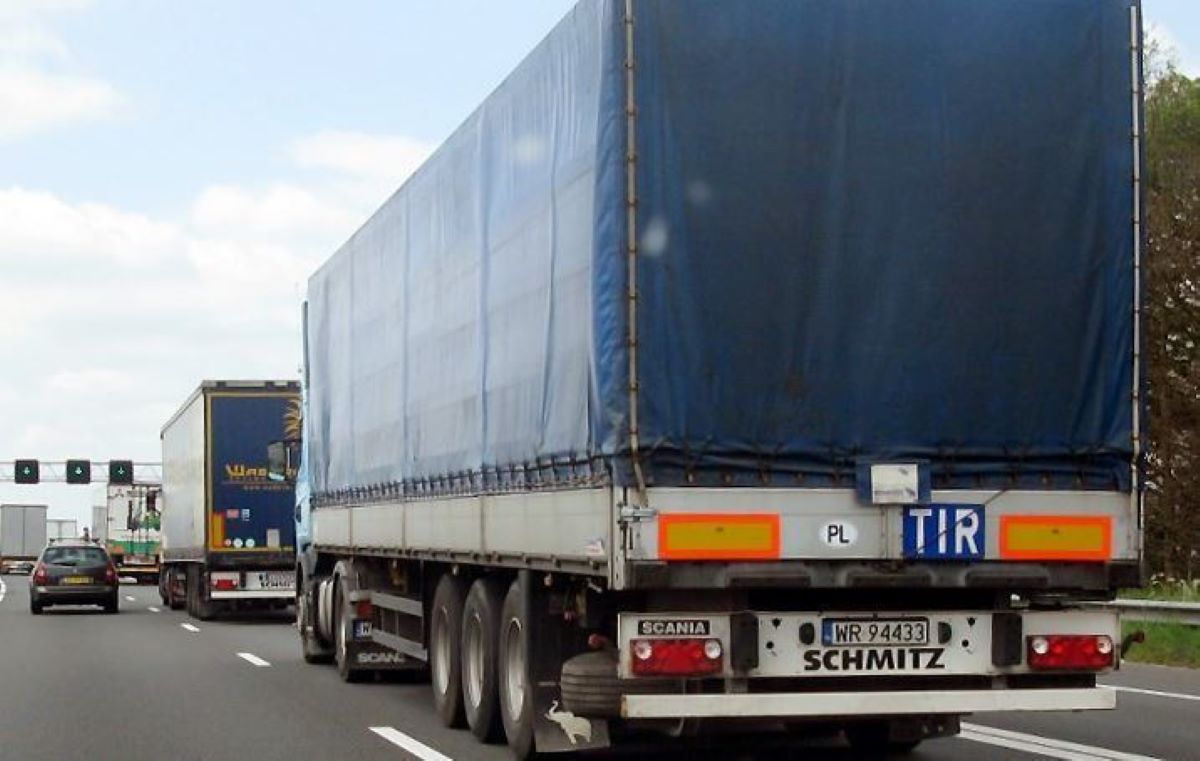

Mounting Pressure on European Road Transport Due to Driver Shortage
The logistics sector across Europe is navigating a perfect storm of challenges, none more pressing than the burgeoning shortage of truck drivers, particularly acute in Poland. This shortage — estimated at around 150,000 drivers missing from the workforce — reflects systemic strains that resonate far beyond national borders, highlighting the interconnectedness of European freight transport.
The elimination of bilateral permit requirements for Ukrainian drivers entering EU countries through the EU-Ukrainian Transport Agreement temporarily reshuffled market dynamics, affecting Poland more sharply than others due to geographic proximity. Yet driver scarcity isn’t the only headwind; rising fuel costs, operational expenses, and a pivot towards greener fleets collectively ramp up the pressure on trucking enterprises.
Green Initiatives and Operational Shifts in Road Freight
Europe’s transportation sector is being reshaped by the drive to meet ambitious climate targets under initiatives like the EU’s Fit for 55 package and the European Green Deal. This move pushes rapid decarbonization through electrification and cleaner fuel investments, altering traditional fleet operations and route planning.
Coupled with these environmental imperatives, the demand for adaptability in long-haul routes increases. Commercial vehicle operators must juggle reliable service with strategically placed charging stations and maintenance points, ensuring that logistics networks remain fluid despite the new energy requirements.
Technological Transformation: Digital Tools and AI in Transport Operations
The digital revolution in logistics accelerates efficiency and transparency. Since 2019, all new EU trucks must feature smart digital tachographs that monitor driving hours with fine accuracy, reducing administrative burdens and enhancing regulatory compliance.
Advanced telematics data, combined with real-time tracking and operational analytics, empowers fleet managers to make smarter decisions, optimizing fuel usage and routing. Predictive intelligence tools woven with AI capabilities are transforming decision-making—from real-time cost per kilometer calculations to forecasting demand spikes and managing profit margins more effectively. This data-driven approach helps counter narrowing financial buffers in the freight sector.
| Technology | Benefit | Impact on Logistics |
|---|---|---|
| Smart Digital Tachographs | Accurate driving hour records | Improved compliance, reduced penalties |
| Telematics & GPS | Fuel consumption and route optimization | Lower operational costs, real-time dispatching |
| Artificial Intelligence (AI) | Predictive analytics & automated quotations | Faster customer response, higher conversion |
| Integrated Transportation Management Systems (TMS) | Real-time cost and route tracking | Smarter fleet utilization and profitability |
Operational Insight: Real Data Versus Intuition in Logistics
One of the great shifts in freight management is the move away from gut feeling and late-month audits towards real-time, cloud-connected data streams. Operators handling routes between cities such as Warsaw, Berlin, and Lviv observe stark contrasts in fuel usage and border crossing delays, highlighted by telematics revealing up to a 12% increase in consumption on poorer roads and hours lost waiting at borders. Smart use of this data can carve out competitive advantage, especially for Polish operators working alongside Ukrainian peers benefiting from lower labor costs.
With integrated GPS, fuel card data, and driver hours packaged within centralized platforms, transport companies gain a live window on fleet profitability and route efficiency. This gives dispatchers the power to decline or accept shipments based on real-time earning potentials — a huge leap from strictly cost-based intuitions historically dominating the sector.
Data’s Role in Tackling the Labor Crisis Among Truck Drivers
Behind the scenes of this technological upgrade is the ongoing struggle to recruit and retain drivers. Aging workforces, tough schedules, and modest wages paint a challenging picture. Some countries see new professionals entering the field only well into their twenties, narrowing the pool considerably.
Industry bodies suggest that improvements in working conditions, including better infrastructure and fairer labor standards, can attract a more diverse workforce, from younger recruits to women drivers. Balanced workloads, real-time communication on delays, and performance-based bonuses derived from telematics data boost morale and encourage retention.
- Balanced workloads: Telematics reveal inefficiencies, enabling more equitable scheduling.
- Rewarding safe driving: Fuel data and behavior monitoring incentivize safe, efficient operations.
- Better communication: Predictive analytics keep drivers informed, reducing stress on the road.
Looking Ahead: AI and Automation Revolution in Road Freight
The logistics industry is starting to harness large language models (LLMs) and AI agents for automating tasks from customer interaction to dynamic route planning. For example, some leading firms deploy AI to process requests 24/7, quickly matching reliable loads with optimal carrier capacity, offering instant quotes and responding across languages.
This trend promises to streamline freight operations, cutting costs and speeding service delivery which is crucial in tight-margin scenarios, particularly in the current European market.
Summary and How GetTransport.com Fits In
European road transport currently faces a multi-layered crisis shaped by a severe driver shortage, rising operational costs, stringent environmental policies, and rapid digital transformation. Polish road freight highlights many of these broader continental trends, where fleet electrification, real-time data usage, and AI-driven insights form the backbone of future success. The ability to translate complex, often fragmented data into actionable logistics strategies will dictate who stays ahead in this evolving market.
Platforms like GetTransport.com provide an essential service in this landscape. Offering affordable and globally-accessible cargo transportation solutions, GetTransport.com supports diverse shipment needs — from office relocations and bulky goods to vehicle transport — bridging shippers and carriers efficiently. By leveraging broad network options and transparent pricing, it helps streamline logistics for businesses and individuals alike, ultimately helping fleets stay on the move profitably despite industry challenges.
Even the best data insights and meticulously researched reviews can’t replace firsthand experience. On GetTransport.com, customers access the best global prices for cargo transportation without hidden costs or surprises. This freedom to explore a wide variety of transportation options online empowers users to make choices that fit their unique logistics needs with confidence and ease. Book your ride today at GetTransport.com and move smarter in this complex freight world.
Looking to the Future of European Road Freight Logistics
Though the specific circumstances in Poland may not reshape the global logistics map overnight, they reveal critical lessons for the continent’s freight industry: adaptability, digitalization, and sustainability are no longer optional. As GetTransport.com keeps pace with these developments, the platform ensures that clients benefit from the latest in efficient cargo dispatching and global haulage—supporting a logistics ecosystem ready for tomorrow’s demands. Start planning your next delivery and secure your cargo with GetTransport.com.