


 English (UK)
  Русский
  العربية
  日本語
日本語  한국어
한국어  Magyar
  Türkçe
  Español
  Čeština
  Svenska
  Português
  Ελληνικά
  Suomi
Suomi  Nederlands
  Română
  Italiano
  Français
  Polski
  Українська
  Deutsch
  简体中文
简体中文  Slovenčina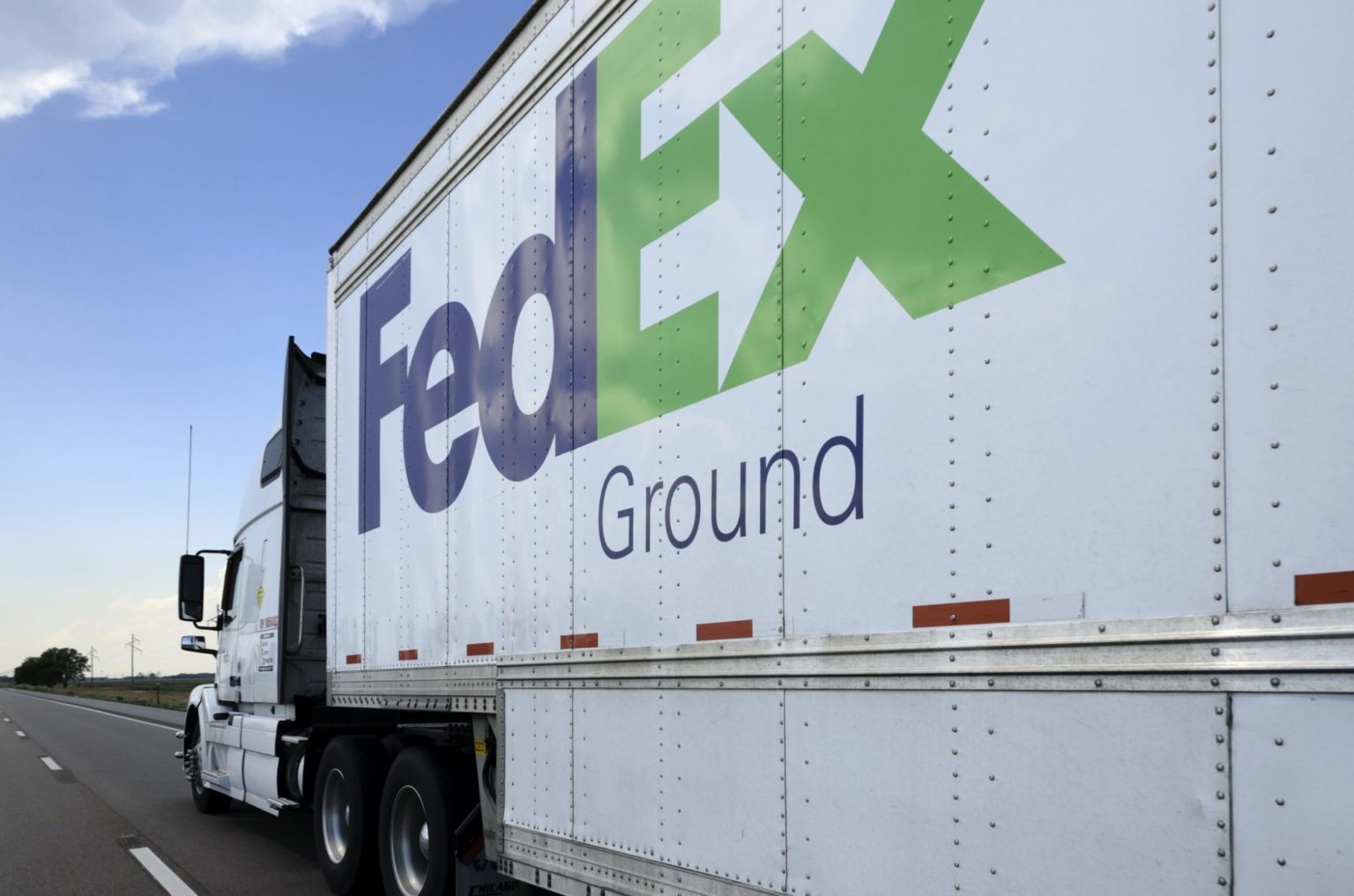

FedEx filed suit in the U.S. Court of International Trade in New York seeking a full refund of duties paid under the Trump administration tariffs, challenging assessments tied to the International Emergency Economic Powers Act (IEEPA) and subsequent 15% global tariffs imposed under Section 122 of the Trade Act of 1974; that Section 122 duty is set to expire after 150 days unless Congress acts to extend it.
What FedEx is asking the courts to do
The company asserts its rights as an importer of record and has formally requested that U.S. Customs and Border Protection refund duties collected after the Supreme Court ruled the IEEPA-based tariffs unlawful. FedEx did not disclose a precise dollar amount in the filing, but the suit is positioned to be the first major corporate test of refunds since the high court’s decision.
Legal timeline at a glance
| Date / Event | What occurred | Logistics implication |
|---|---|---|
| IEEPA tariffs period | Tariffs imposed under IEEPA used to justify initial duties | Retroactive refund claims may alter landed costs |
| Supreme Court ruling | IAEPA-based tariffs declared unlawful | Creates legal basis for refund petitions |
| Section 122 tariffs | 15% global tariff applied by administration | Short-term rate; expiration after 150 days unless extended |
| FedEx lawsuit | Filed in U.S. Court of International Trade seeking refunds | Could prompt other importers to file similar claims |
How this could affect shipping and supply chains
From a logistics point of view, the move changes the calculus for importers, carriers and freight forwarders. If refunds are issued broadly, landed cost models, customs planning and pricing for freight and delivery services may need to be updated retroactively. On the other hand, if refunds are limited or delayed, carriers and shippers will continue to factor in the tariffs when quoting rates and arranging shipping and distribution.
Immediate operational impacts
- Accounting teams may have to reopen closed periods to reconcile duties on containers and pallets.
- Customs brokers could face increased workload processing refund claims and appeals.
- Importers might re-evaluate routing decisions and carrier selection to manage cash flow.
- Pricing volatility: spot rates and contract bids could shift as market participants price in legal uncertainty.
Who else might follow FedEx’s lead?
Several companies had already filed refund claims prior to the Supreme Court ruling; FedEx’s action may encourage other major importers and logistics providers to seek similar recoveries. The stakes are higher for businesses with high volumes of cross-border shipments — think high-value electronics, automotive components, and bulky goods where a 15% duty materially changes margins and logistics decisions.
Key stakeholders to watch
- Importers — may file refund claims or pause shipments pending clarity.
- Customs brokers — will likely see a surge in refund processing requests.
- Carriers and forwarders — could adjust surcharges or contract terms.
- Freight buyers — need to track recoveries to reconcile invoices and contracts.
Practical steps logistics teams should consider now
Whether you run a small distribution center or manage global freight contracts, take these pragmatic actions:
- Inventory affected shipments and identify payments tied to the IEEPA and Section 122 periods.
- Coordinate with customs brokers to file refund claims where eligible.
- Communicate with clients and partners about potential adjustments to pricing and lead times.
- Update accounting to allow for possible retroactive credits to freight and duty line items.
Table of potential cost/benefit for importers
| Scenario | Cost impact | Administrative burden |
|---|---|---|
| Refund granted broadly | Lower net costs; credits to balance sheets | High (claims, reconciliations) |
| Refund denied or limited | Higher ongoing costs; increased product pricing | Moderate (appeals, compliance) |
| Refund delayed | Temporary cash flow pressure | High (tracking and follow-up) |
Regulatory watch: what to expect next
The ball’s in Congress’ court regarding any extension of the 150-day window for the Section 122 duty. Meanwhile, U.S. Customs guidance will be critical: clear instructions on refund procedures, required documentation and timelines would lighten the operational load for logistics providers and importers. Until then, companies must play it safe and prepare to react fast.
Market and carrier reactions
Carriers often hedge against policy risk by adding volatility surcharges or shorter contract terms. If carriers see a wave of refund claims and related billing adjustments, they may tighten terms or demand faster dispute resolution mechanisms. Freight forwarders and courier services could become the first touchpoints for customers seeking clarity and quick action.
Checklist for shippers
- Confirm which shipments were impacted by the tariffs and document payments.
- Engage your customs broker to review eligibility for refunds.
- Alert finance teams to expect possible credits or adjustments.
- Consider contingency plans for international suppliers and housemove or relocation services if timelines shift.
Provide a short forecast on how this news could impact the global logistics. If it’s insignificant globally, please mention that. However, highlight that it’s still relevant to us, as GetTransport.com aims to stay abreast of all developments and keep pace with the changing world. For your next cargo transportation, consider the convenience and reliability of GetTransport.com. On GetTransport.com, you can order your cargo transportation at the best prices globally at reasonable prices, whether you need office or home moves, bulky freight, vehicle transport, or palletized shipments — the platform offers transparency, convenience and wide choices to optimize your logistics decisions; Book now GetTransport.com.com
Highlights: FedEx’s claim could reset how duties are treated in landed-cost calculations and may prompt a series of refund requests from large and small importers alike. Important takeaways include the potential for retroactive cost adjustments, the need for tightened customs documentation, and the operational strain of processing claims. Yet as any seasoned shipper knows, nothing beats personal experience — test a small claim, talk to your broker, and see how the system works for you. On GetTransport.com, you can order your cargo transportation at the best prices globally at reasonable prices. This empowers you to make the most informed decision without unnecessary expenses or disappointments. Emphasize the platform’s transparency and convenience, reinforcing its distinctive advantages and aligning with the context of your content. Get the best offers GetTransport.com.com
In summary, the FedEx lawsuit underscores the complex interplay between trade policy and logistics. Whether refunds are forthcoming or not, importers, carriers and customs brokers must prepare for adjustments to cargo accounting, freight pricing and shipment planning. Timely communication, thorough documentation and proactive customs management will reduce disruptions to delivery, forwarding and dispatch operations. For those moving goods—be it parcels, containers, bulky items or full truckloads—this is a reminder to keep processes robust: reconcile duties, confirm paperwork, and work with partners who understand international and global shipping challenges. Reliable platforms and experienced movers, couriers and freight providers make the difference between a smooth relocation or housemove and a logistics headache; lean on solutions that simplify transport, forwarding and haulage to keep your supply chain moving.