


 English (UK)
  Русский
  العربية
  日本語
日本語  한국어
한국어  Magyar
  Türkçe
  Español
  Čeština
  Svenska
  Português
  Ελληνικά
  Suomi
Suomi  Nederlands
  Română
  Italiano
  Français
  Polski
  Українська
  Deutsch
  简体中文
简体中文  Slovenčina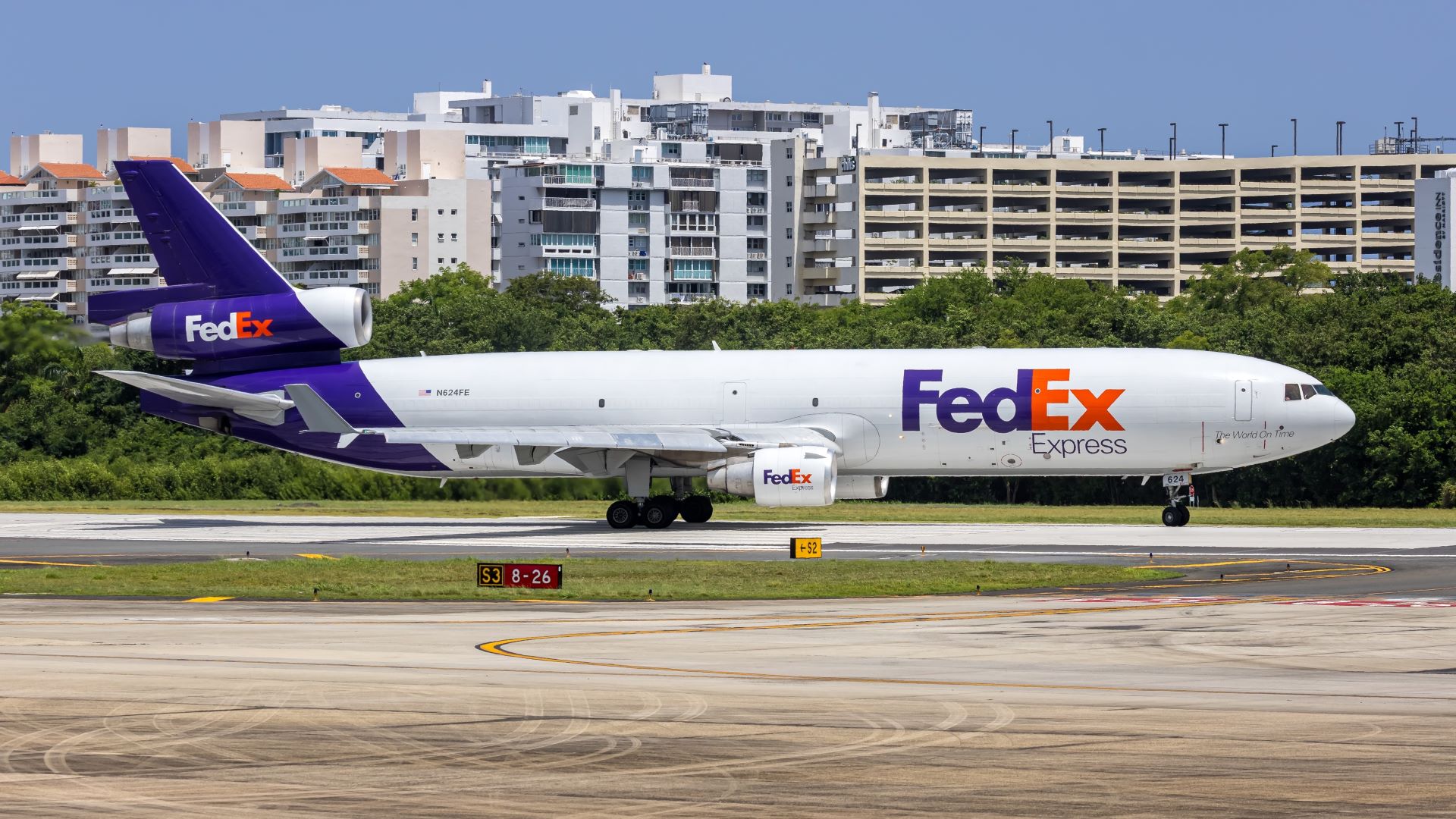

Addressing the MD-11 Fleet Grounding: FedEx’s Swift Response
FedEx has enacted prompt corrective action following the FAA’s mandate to ground its MD-11 freighter aircraft, aiming to limit the impact on shipping during a critical peak period. Due to a recent, tragic accident involving a UPS MD-11, the entire MD-11 fleet, including FedEx’s, must undergo thorough inspections focusing on engine and pylon integrity. Thanks to efficient inspection protocols and contingency plans, FedEx expects minimal disruption to its logistics operations.
Inspection and Aircraft Reactivation Process
The inspection process is designed to be rapid and conducted tail-by-tail, allowing aircraft to be released back into service individually as soon as they pass safety checks. This approach negates the need to wait for the entire fleet to be inspected before resuming partial operations, a strategy that keeps the wheels turning during peak shipping season.
FedEx owns a total of 34 MD-11s, out of which 25 remain operational and subject to inspection. Six aircraft are inactive while three are reserved as spares, providing some buffer during the inspection period. Maintenance teams are collaborating closely with Boeing and federal authorities to expedite the inspections and necessary repairs.
Alternative Measures for Capacity Management
- Activation of Spare Planes: FedEx is deploying its reserve MD-11s to fill the transport gap temporarily.
- Postponement of Scheduled Maintenance: Routine checks on other aircraft with remaining operational hours are deferred to maximize availability.
- Shipment Rerouting: Increased reliance on commercial airline partners and FedEx’s domestic ground network to redistribute cargo flow.
- Leveraging Domestic Operations: Due to a majority of affected MD-11s serving domestic routes, ground transportation is playing a bigger role to maintain deliveries.
Impact on Peak Season and Logistics Adaptability
Let’s be honest, the holiday season is when the logistics world really puts its pedal to the metal. With retailers racing to stock shelves and fulfill online orders, every ounce of shipping capacity counts. FedEx’s quick pivot to alternative aircraft and ground services reflects the agility demanded by global delivery networks in times of unexpected disruption.
This situation also highlights the complex choreography behind freight transport. Airlines, delivery companies, and ground fleets collectively ensure parcels, pallets, and bulky cargo reach their destination without missing a beat—no small feat when planes are suddenly grounded.
Table: FedEx MD-11 Fleet Overview and Response Strategies
| MD-11 Fleet Segment | Number of Aircraft | Response Strategy |
|---|---|---|
| Operational Aircraft | 25 | Undergoing FAA-mandated inspections; returning to service individually |
| Inactive Aircraft | 6 | Currently out of service; no immediate reactivation plans |
| Spares | 3 | Activated to cover for grounded planes |
FAA Coordination and Safety Focus
Following the tragic UPS crash—which resulted in the loss of 14 lives—the FAA swiftly required aviation giants like FedEx and UPS to suspend MD-11 operations pending engine and mount inspections. FedEx’s top brass has expressed commitment to deep cooperation with Boeing and aviation regulators to safely accelerate the resolution. Safety naturally takes precedence over speed; however, the logistical balancing act continues to ensure that supply chains suffer as little as possible.
Operational Flexibility in the Face of Air Traffic Challenges
FedEx is also adjusting to wider airspace challenges, such as FAA-imposed flight schedule cuts triggered temporarily by government operational constraints. The grounded MD-11s count toward these reduction targets, providing some relief and balancing in an otherwise tense air cargo environment.
Why This Matters to the Logistics Industry
FedEx’s approach demonstrates the importance of having a versatile and responsive transport network in logistics. Whether relocating a household, transporting heavy machinery, or shipping delicate parcels, the ability to adapt—using a blend of air and ground methods—means customers experience fewer bumps in service during crises.
Platforms like GetTransport.com are a testament to this versatility, offering customers around the globe options to move all kinds of cargo affordably and reliably. From office relocations to oversized freight or vehicle shipping, it’s about keeping every link in the supply chain strong and fluid.
Taking Insights from FedEx’s MD-11 Grounding Experience
This incident underscores the crucial nature of fleet management and the value of having backup plans. Cargo operators and freight shippers alike can take note: logistical resilience often hinges on contingency resources and smart rerouting capabilities. It’s not just about the planes themselves, but also about how well a company can redirect parcels, adjust ground networks, and keep the trucks rolling.
Key Takeaways and Customer Empowerment
While reading through reports and expert reviews is great, there’s a saying that rings true here: “The proof of the pudding is in the eating.” No amount of expert feedback can replace firsthand experience. That’s why the ability to book cargo transport at competitive rates through platforms like GetTransport.com is a game changer. It empowers you to discover the most efficient freight solutions without the hassle or excess cost.
Offering transparent pricing, worldwide reach, and flexibility for various load sizes and types, GetTransport.com aligns perfectly with industry needs highlighted by this story. Whether you’re moving household goods, bulky furniture, or commercial parcels, you’re in good hands. Book your ride now at GetTransport.com to streamline your next shipment.
Conclusion: Navigating Challenges in Air Cargo and Logistics
FedEx’s proactive response to the MD-11 grounding challenge reflects the intricate and dynamic nature of global logistics and freight transport. By leveraging spare aircraft, deferring non-critical maintenance, and relying more on ground networks and commercial aviation partners, FedEx is steering through turbulent skies to maintain quality service during a crucial season.
This situation shines a light on the critical role of flexibility and network depth in air cargo logistics, especially when unexpected disruptions occur. For those managing cargo shipments, forward planning, multi-modal options, and reliable partners matter more than ever. Services like GetTransport.com exemplify this by providing worldwide logistics solutions tailored for various transportation needs, from heavy haulage and pallets to household moves and vehicle deliveries.
Ultimately, having robust, transparent, and cost-effective options ensures that goods keep moving seamlessly, no matter the hurdle. Freight, haulage, distribution, and courier services remain the backbone of commerce in this fast-paced world—and smart solutions turn challenges into opportunities.