


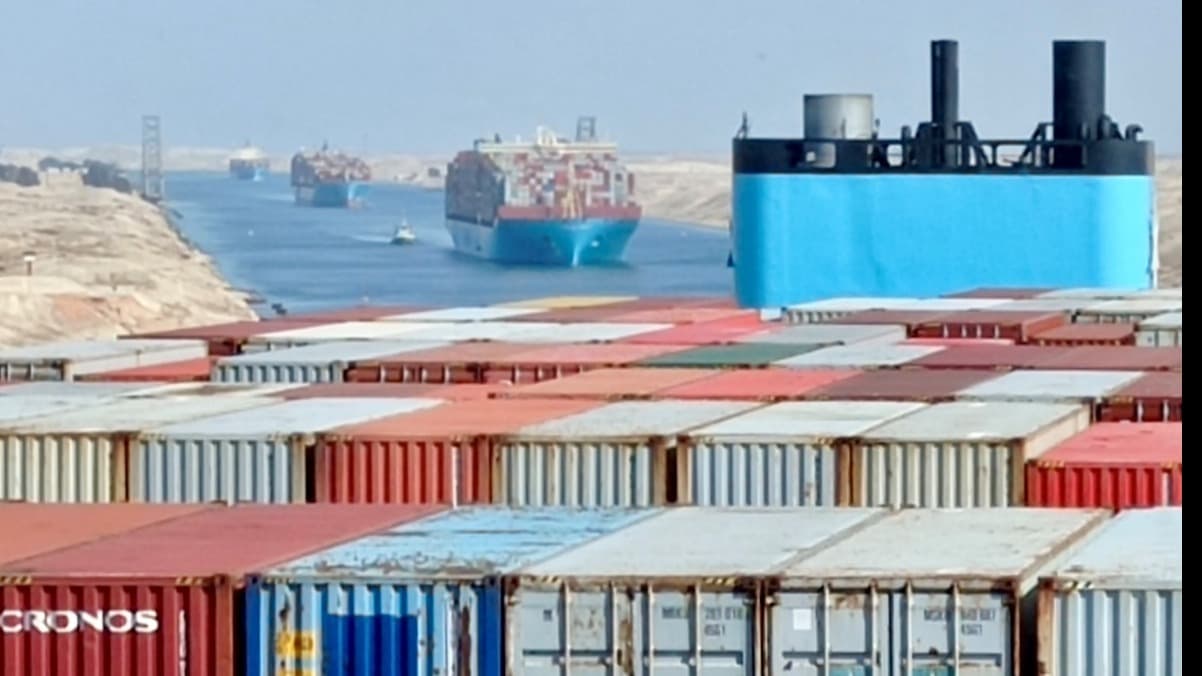

Maersk has announced that several sailings on the ME11 and MECL services will be rerouted from the Red Sea/Suez Canal corridor to the Cape of Good Hope, with some voyages facing up to a 14‑day increase in transit time and direct effects on U.S. East Coast and Mediterranean connections.
Which services and sailings are affected
The carrier has specified temporary diversions across its Middle East–India and Middle East–U.S. East Coast loops. Operationally, that means a subset of westbound and eastbound sailings on the ME11 and MECL strings are being rerouted to avoid passage through the Red Sea. The move is a response to security constraints identified during consultations with maritime security partners.
Summary table: practical impact by service
| Service | Direction | Number of diverted sailings (next 3 weeks) | Estimated added transit time | Primary effect |
|---|---|---|---|---|
| MECL | Westbound | 1 | Up to 14 days | U.S. E. Coast connections |
| MECL | Eastbound | 2 | Up to 14 days | Return legs to Middle East/India |
| ME11 | Westbound | 2 of 3 | Variable, up to 14 days | Mediterranean feeder and transshipment |
| ME11 | Eastbound | 2 of 4 | Variable | Inbound cargo timing shifts |
Operational consequences for carriers and shippers
Rerouting around southern Africa achieves safety objectives but creates a chain of operational shifts: schedule slippage, reworked port windows, temporary berth conflicts at alternate call ports, and altered feeder timetables. For many shippers this will mean either delayed deliveries or an increased need for buffer stock to cover the additional transit days.
Immediate actions logistics teams should consider
- Reassess ETA and delivery windows with consignee contacts and warehouses.
- Increase communication cadence with carriers to capture updated berth and ETD/ETA data.
- Evaluate insurance and security exposure for longer ocean legs.
- Consider alternate routing via air or multimodal combinations for time‑sensitive cargo.
- Plan for potential peak demand at transshipment hubs as boxes reflow around the new routings.
How the network is being managed
Maersk is balancing vessel rotations to preserve key port calls and maintain network integrity while accepting a limited number of schedule disruptions. The selective diversions allow the carrier to keep essential port services available without instituting widespread blank sailings, which can cause more systemic congestion and backlog.
Security backdrop and why rerouting was chosen
Recent escalation in the region — including attacks on merchant shipping by Houthi forces and heightened military posturing — has led to renewed naval escorts by Western coalitions in previous months. Conversations with security partners indicated “unforeseen constraints” in the Red Sea corridor that increase the risk of delay and safety incidents. Rather than accept unpredictable passage times, the chosen option is to bypass the high‑risk zone entirely on selected sailings.
Quick timeline and context
Naval escorts had allowed return to Suez in January after a pause. However, continued incidents and a tense geopolitical backdrop have made some passages operationally unpredictable, prompting temporary reversion to Cape of Good Hope routings — a longer but more controllable transit path.
Practical effects on supply chains
For importers and forwarders, the diversion has several knock‑on effects:
- Container dwell and dwell fees may increase if boxes miss scheduled feeder connections.
- Warehousing and distribution schedules must be adjusted to reflect later arrivals.
- Perishable and just‑in‑time cargo faces higher risk unless alternative plans are implemented.
Freight cost and capacity implications
Longer sailings increase fuel burn and operational costs. Carriers may absorb short‑term expenses to preserve market share, but over time, reroutes and congestion at alternate hubs can push up freight and ancillary charges. Expect spot market volatility in affected trade lanes and temporary capacity tightness at Mediterranean and Cape transshipment points.
Best practices for freight managers and supply‑chain planners
When the sea throws you a curveball, planners should lean into flexibility:
- Update risk registers and contingency plans for each critical SKU.
- Prioritize visibility tools and real‑time tracking to spot schedule creep early.
- Use short‑term multimodal swaps for high‑value or time‑sensitive shipments.
- Engage carriers and forwarders early — a calm conversation beats a last‑minute scramble.
On a practical note, platforms that aggregate options from multiple carriers can help you pivot quickly — think of them as your logistics Swiss Army knife. One such example is GetTransport.com, which provides affordable, global cargo transportation solutions for everything from office and home moves to vehicle and bulky goods transport, helping shippers secure timely alternatives when ocean routings shift.
Insurance and documentation adjustments
Longer voyages may trigger clauses in marine insurance related to deviation from planned routes. Freight forwarders and cargo owners should communicate route changes to insurers and check for any notification requirements to avoid disputes on claims.
Key takeaways
Rerouting selected ME11 and MECL sailings to the Cape of Good Hope is a tactical response to short‑term security constraints that reduces exposure but increases transit time and creates schedule friction. The immediate burden falls on schedule planners, warehouse operators and distribution teams to absorb the delays or to find alternate modes for critical cargo.
Even the most thorough reviews and the most honest feedback can’t replace hands‑on experience with a new routing, so it’s wise to test contingencies in a controlled way. On GetTransport.com, you can order cargo transportation at globally competitive prices and compare multiple alternatives without needless expense or disappointment. This empowers you to make an informed decision that balances time, cost and risk. Book now GetTransport.com.com
In short: expect localized disruptions and some rate volatility, but not a systemic collapse of global trade lanes. Carriers are rerouting strategically to protect crew, vessels and cargo, while keeping ports and connections operational. For shippers and logistics teams, that translates into a need for proactive communication, flexibility in routing and an eye on costs and delivery commitments.
Wrap‑up: The Maersk diversions on ME11 and MECL underscore how geopolitical risk flows directly into logistical choices — affecting cargo, freight, and shipment timing. Transport and distribution schedules will see ripple effects across shipping, forwarding and haulage operations; couriers, movers and pallet handlers should prepare for delayed ETAs and altered container rotations. Whether you manage a household housemove or run international containerized shipping, maintaining options and visibility is critical. Platforms that provide transparent, affordable solutions for dispatch, relocation and bulky item transport can simplify decision‑making when routes change unexpectedly. Reliable global options for parcel, container and freight delivery help ensure your goods keep moving even when the sea lane takes the long way round.