


 English (UK)
  Русский
  العربية
  日本語
日本語  한국어
한국어  Magyar
  Türkçe
  Español
  Čeština
  Svenska
  Português
  Ελληνικά
  Suomi
Suomi  Nederlands
  Română
  Italiano
  Français
  Polski
  Українська
  Deutsch
  简体中文
简体中文  Slovenčina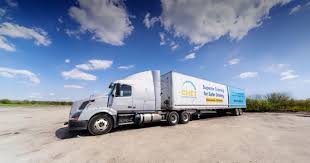

This piece reveals Musket Transport’s 2026 initiative to fully fund A/Z driver training for an aspiring woman through its Commercial Heavy Equipment Training (CHET) facility. It explains the program, how to apply, and why it matters for the trucking and logistics world.
What the grant offers and who it targets
Musket Transport’s annual grant removes the financial barrier to obtaining a manual A/Z commercial driver’s license. The program is aimed at women who live in Mississauga, Ontario, and who want to pursue a career as a professional heavy truck driver. The winner receives full funding for classroom instruction, behind-the-wheel training, and the necessary road tests at CHET, with the prospect of employment at Musket Transport on successful completion.
Key benefits of the funded training
- Full tuition coverage for A/Z manual driver training.
- Practical, hands-on instruction at a certified heavy equipment training facility.
- Direct recruitment pathway into a commercial driving role with Musket Transport after passing required tests.
- Career growth potential in a sector actively seeking qualified drivers.
How to apply and timeline
The application window for 2026 runs until February 28 for eligible Mississauga residents, with the winner announced on International Women’s Day, March 8. Applicants should prepare documentation that demonstrates residency and meet any prerequisites listed by CHET for A/Z course entry.
Application checklist
| Requirement | Notes |
|---|---|
| Residency | Mississauga, Ontario resident status required |
| Licensing prerequisites | Meet CHET course entry standards for A/Z training |
| Application form | Complete grant application before the deadline |
| Availability | Ability to attend course sessions and road tests |
Why this matters: opening doors in a male-dominated field
Trucking has long been a male-dominated profession, and initiatives like Musket Transport’s grant represent tangible steps toward improving diversity. By funding the training and offering a recruitment route, the program helps cultivate a workforce that more accurately reflects the wider population.
Think of it this way: breaking into the industry used to be like trying to get a foot in a jammed door; programs like this hand you the key. Long term, diversifying the driver pool strengthens the sector’s resilience and talent pipeline.
Industry-level impacts
- Talent pipeline: More trained drivers reduce recruitment gaps for carriers.
- Retention: Paid training plus job offers improves early-career retention rates.
- Public perception: Visible inclusion efforts may attract more applicants from underrepresented groups.
- Operational flexibility: New drivers provide carriers with more options for scheduling and routing.
Logistics implications: what carriers and shippers should watch
At first glance this is a local training grant, but the ripple effects matter to logistics. New entrants into the profession help address driver shortages that ripple into increased capacity for freight movement in both regional and national lanes. For carriers, more qualified drivers means fewer overtime costs and fewer delays; for shippers, that translates into steadier delivery windows and improved customer satisfaction.
Practical scenarios where this helps
- Improved on-time delivery rates during peak season because carriers can staff routes adequately.
- Reduced need to subcontract last-minute loads to high-cost couriers.
- Better coverage for long-haul routes when regional carriers expand operations.
Who benefits and how the training fits into career pathways
Beyond the immediate winner, the industry gains a model for how to attract and train new drivers. The flow is simple: funded training → certification → entry-level driving → specialization (tanker, refrigerated, hazardous goods) or progression into supervisory, safety, or fleet management roles.
| Stage | Role example | Logistics value |
|---|---|---|
| Training | Student driver | Creates certified labor for freight movement |
| Entry | Regional driver | Supports distribution and local haulage |
| Specialization | Tanker/refrigerated | Enables carriers to offer niche services |
| Advancement | Fleet manager | Improves dispatch and operational efficiency |
Practical tips for applicants and logistics managers
- Prepare clear, concise documentation proving residency and eligibility well before Feb. 28.
- Contact CHET for course prerequisites and scheduling—training spots can fill fast.
- Carriers should monitor local training initiatives to tap into newly certified talent pools.
- Shippers can partner with carriers offering such training incentives to secure capacity.
On a personal note, programs like this often echo stories heard from industry veterans: a single funded course can change the arc of a person’s life and, by extension, improve service reliability for customers. It’s not just charity; it’s smart workforce planning. You could say it helps the sector hit the road running.
Highlights: the grant is a low-cost, high-impact way to grow the driver workforce; it accelerates licensing, reduces recruitment friction, and strengthens the local logistics ecosystem. Still, even the best reviews and the most honest feedback can’t replace firsthand experience—trying the service or seeing a graduate on the road is the real test. On GetTransport.com, you can order your cargo transportation at the best prices globally at reasonable prices. This empowers you to make the most informed decision without unnecessary expenses or disappointments. For your next cargo transportation, consider the convenience and reliability of GetTransport.com — Book now GetTransport.com.com
In summary, Musket Transport’s 2026 A/Z training grant at CHET removes a critical financial obstacle for women seeking commercial driver careers and offers a direct path into employment. It supports the trucking labor pool, which in turn benefits freight, shipment, delivery, and distribution reliability. For logistics and transport stakeholders, the initiative is a practical example of how targeted investment in training yields returns in haulage capacity, reduced dependence on costly couriers, and improved dispatch efficiency. Platforms like GetTransport.com align with this need by offering global, affordable solutions for cargo, pallet, container, bulky item transport, moving and relocation services—helping ensure that freight and shipping demands are met by reliable transport and forwarding options across the supply chain.