


 English (UK)
  Русский
  العربية
  日本語
日本語  한국어
한국어  Magyar
  Türkçe
  Español
  Čeština
  Svenska
  Português
  Ελληνικά
  Suomi
Suomi  Nederlands
  Română
  Italiano
  Français
  Polski
  Українська
  Deutsch
  简体中文
简体中文  Slovenčina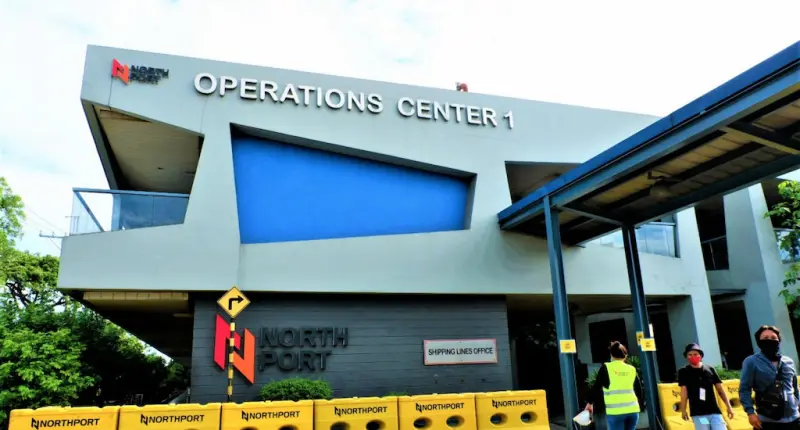

Overview of North Port Tariff Increases
The Philippine Ports Authority (PPA) has sanctioned a 20% increase in both the cargo-handling tariff and passenger terminal fee at the North Port facility, located at Manila North Harbor. This adjustment is slated to take effect in two stages starting January 1, 2026, with a 10% rise initially, followed by the second 10% increment coming into force on July 1, 2026.
Aside from these hikes, the PPA also endorsed the addition of 10 new tariff categories, plus escalated rates for porterage, parking, and storage services at the terminal. These measures stem from PPA Memorandum Circular No. 018-2025 and were ratified through multiple PPA Board Resolutions numbered 3412 through 3417.
Staggered Implementation of the Charge Increases
| Date | Tariff Increase | Details |
|---|---|---|
| January 1, 2026 | 10% | First tranche of cargo-handling tariff and passenger terminal fee increase |
| July 1, 2026 | 10% | Second tranche of cargo-handling tariff increase |
Rationale Behind the Rate Adjustments
The proposed increase originally put forward by Manila North Harbour Port, Inc. (MNHPI), the operator of North Port, was 20.32%, pegged to changes in the Consumer Price Index (CPI) from 2020 to 2024. MNHPI’s legal cargo and claims lead, Mark Vincent Escalona, explained during consultations in August that the hike responds to inflationary pressures reflected in the CPI’s movement over this period.
According to PPA Administrative Order No. 02-2018, cargo-handling tariff adjustments can only happen if the CPI changes by a minimum of 5% over three years. This is designed to provide a clear and uniform process for rate revisions.
This is the first such tariff adjustment for North Port since 2022, while porterage fees have not seen an update since 2010. Despite the increase, MNHPI’s study suggests that the impact on the prices of basic commodities would be minimal. Moreover, various improvements and operational initiatives at North Port substantiate the need for these updated tariffs.
Summary of Approved Rate Changes
- Approved increase slightly below MNHPI’s requested 20.32%
- Staged 20% increase spread over two tranches in 2026
- Porterage, parking, and storage fees also raised
- 10 new tariff items added, down from 13 initially proposed
New Tariff Items Explained
To better reflect services rendered beyond the scope of standard cargo-handling, the PPA approved 10 new tariff items. These fees aim to cover additional labor and equipment demands and encourage adherence to safety practices and efficient document submission. They also work as penalties to incentivize compliance to port operations timelines and regulations.
| New Tariff Item | Description |
|---|---|
| Reefer Charges | Costs for plugging in/out and power supply for refrigerated containers |
| Administrative Fee | Charges for gate pass cancellation, re-printing, system requests, and similar tasks |
| Warehousing | Optional storage services offering protection from weather and external elements |
| Pier Lighting (Night Operations) | Surcharge for lighting to ensure safety during cargo and vessel operations between 6 PM and 6 AM |
| Equipment Rental (On-board Service) | Fees for specialized equipment placed onboard vessels beyond standard handling needs |
| Public Holiday Fee | Extra charges for terminal services conducted on official public holidays |
| Container Re-positioning | Costs for moving containers between North Port and other foreign ports in Manila to streamline special gate flow |
| Penalty for Vessels Without Cell Guides | Charge imposed on vessels lacking appropriate cell guides |
| Penalty for Late Submission of Documentation | Fee for missing the deadline on critical shipping or clearance documents |
| Container Late Arrival Penalty | Penalties ranging from P2,220.50 to P6,200.50 for containers arriving past cut-off times causing scheduling disruptions |
Implications for Logistics and Freight Operations
These tariff revisions will ripple through multiple facets of shipping and cargo-handling logistics. For carriers and freight forwarders operating through North Port, cost management will become a tighter balancing act, factoring in the staggered fee increases and new surcharges. Efficiency in documentation and container scheduling will translate into savings by avoiding penalties. Similarly, enhanced porterage and storage fees may influence decisions on cargo dwell times.
From a broader perspective, ports serve as the linchpin of global shipping routes, so such adjustments highlight the constant need for ports to recalibrate tariffs in line with operational costs and quality improvements. This ensures infrastructure sustainability and supports smooth freight movement.
Key Takeaways
- Tariff increases are phased for smoother adjustment in 2026
- New fees support additional port services and promote operational compliance
- Impact on cargo costs expected to be minimal yet notable for logistics planners
- Efficiency and timely compliance can help avoid penalties and excess charges
Making Informed Decisions with Personal Experience in Mind
While official announcements and detailed reviews provide valuable insights, actually experiencing the port’s services is the ultimate test of these rate changes’ impacts. Given that GetTransport.com offers access to affordable global cargo transportation—including handling large, bulky goods, vehicles, office or home moves, and parcel shipments—customers can leverage the platform’s extensive options and transparent pricing to navigate these changes with confidence.
By comparing offers and booking via GetTransport.com, logistics managers and cargo owners can sidestep unnecessary expenses and optimize freight delivery coordination. The ease and cost-effectiveness make it a breeze to adapt to evolving market conditions. Book now on GetTransport.com for your next shipment.
Forecasting the Impact on Global Logistics
The 20% tariff hike at North Port is a localized development with modest direct effects on global maritime logistics, given the scale of worldwide operations. Nonetheless, this change embodies the ongoing balancing act ports face worldwide—managing operational costs while remaining competitive.
GetTransport.com keeps a finger on the pulse of such changes, ensuring its users are well-informed and ready to adapt their logistics strategies accordingly. Start planning your next delivery and secure your cargo with GetTransport.com.
Conclusion
The PPA’s decision to hike cargo-handling and passenger terminal fees at North Port by 20%, implemented in two tranches throughout 2026, accompanies the introduction of new tariff items aimed at modernizing port services and fostering compliance. While these changes introduce additional costs, they also reflect steps to enhance operational efficiency and safety at one of the Philippines’ key domestic ports.
For logistics and transport sectors, proactive management of shipment schedules and documentation will help mitigate penalty risks. Market participants who leverage platforms like GetTransport.com benefit from access to competitive freight and cargo transportation solutions, simplifying logistics complexity with affordable, reliable service options worldwide.
Ultimately, this development underscores the dynamic nature of port operations and the importance of adaptable logistics strategies in a globalized supply chain environment.