


 English (UK)
  Русский
  العربية
  日本語
日本語  한국어
한국어  Magyar
  Türkçe
  Español
  Čeština
  Svenska
  Português
  Ελληνικά
  Suomi
Suomi  Nederlands
  Română
  Italiano
  Français
  Polski
  Українська
  Deutsch
  简体中文
简体中文  Slovenčina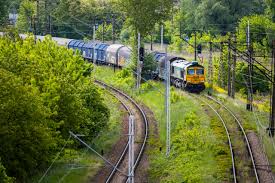

Examining the Financial Landscape of Polish Rail Freight in 2024
Poland’s rail freight sector is painting an unusual financial picture in 2024, marked by losses in freight operations and infrastructure management, despite brighter results in passenger transport. These trends are heavily influenced by significant restructuring efforts, especially involving PKP Cargo, one of the country’s key rail freight operators. While these shakeups have weighed heavily on the financials in the short term, there are signs the turbulence could fade in the near future, easing pressure in 2025.
Struggles on the Freight Front
The rail freight sector has taken a hit, showcasing an uncommon disparity compared to the more stable or profitable passenger services. The underlying causes are multifaceted, but the restructuring of PKP Cargo stands out as a major factor — a company in transition often creates ripples across the entire segment. These changes have implications that go far beyond just numbers, affecting operational efficiency, service reliability, and cost structures.
Impact on Infrastructure Management
Infrastructure management, responsible for maintaining and developing the rails themselves, also recorded losses in 2024. This may feel like a double whammy since friction in infrastructure can cascade into suboptimal freight performance and raise logistical costs. It’s a classic example of how supportive services behind the scenes are just as crucial as the transport operations themselves.
Table: Key Financial Performance Overview for Polish Rail Sectors in 2024
| Sector | Financial Status | Key Influencing Factor |
|---|---|---|
| Freight Operations | Losses | PKP Cargo restructuring |
| Infrastructure Management | Losses | Maintenance and upgrade costs |
| Passenger Transport | Better performance | Stable demand and operations |
The Role of Restructuring: A Double-Edged Sword
The upheaval within PKP Cargo is like turning a large ship; it doesn’t happen overnight. Restructuring efforts typically involve streamlining operations, workforce adjustments, and rethinking financial strategies, all of which can temporarily tip the balance sheet into the red. However, these are often necessary pains to ensure long-term sustainability and competitiveness, especially in a dynamic logistics and freight environment.
Looking Ahead: What to Expect in 2025
Optimism is cautiously brewing as the effects of restructuring are projected to diminish by next year. The hope is that a leaner, faster PKP Cargo can regain profitability and contribute to stabilizing the rail freight market. For logistics professionals, this means potential improvements in service reliability and cost predictability, which play a huge role in shipment planning and cargo management.
Why This Matters for Logistics and Freight Forwarding
Rail freight is a backbone of many supply chains, especially in a country like Poland that serves as a key transit and trade hub in Europe. When freight costs and operations become unstable, it puts pressure on all connected logistics segments — from cargo dispatch to final delivery. Companies depending on rail for bulky shipments, pallets, or containers might face cost fluctuations, delays, or the need to seek alternative transport modes.
Adaptability in Transport and Cargo Management
This unusual financial scenario underlines the importance of flexibility within logistics strategies. The well-timed use of platforms like GetTransport.com can be a game-changer here, offering access to affordable, global cargo transportation options that span beyond rail. Whether moving office goods, vehicles, or bulky items across long distances or coordinating last-mile deliveries, leveraging such services can buffer against sector-specific fluctuations.
How Modern Logistics Embraces Multimodal Solutions
In periods when rail freight faces challenges, the industry often pivots partially to other modes — trucking, ocean freight, or air — to maintain supply chain reliability. This push for multimodality means logistics providers and shippers alike must keep an eye on cost, transit time, and service quality across the whole freight ecosystem. Platforms that aggregate diverse transportation options simplify this complex juggling act.
Key Takeaways and Critical Observations
- Volatility in rail freight costs demands agile logistics planning.
- Infrastructure losses suggest potential future bottlenecks impacting delivery schedules.
- Passenger sector stability contrasts with freight struggles, highlighting different market dynamics.
- Restructuring effects are temporary but significant; improvements are anticipated post-2024.
- Multimodal transport solutions offer resilience against sector-specific setbacks.
Even though detailed analyses and honest industry feedback shape our understanding, the true test of Poland’s rail freight sector’s financial health and operational quality will come with hands-on experience in moving goods. Nothing quite beats seeing how services perform on the ground when timing, cost, and reliability matter the most. Through GetTransport.com, businesses and individuals can access the best shipping options globally at reasonable prices, empowering well-informed and cost-effective choices in managing cargo, parcels, and bulky freight shipments. The platform’s transparency and flexibility make it a standout ally for anyone navigating today’s complex logistics landscape. Book your ride and explore competitive offers at GetTransport.com.
Forecasting the Impact on Global Logistics
While the peculiarities of Poland’s rail freight costs in 2024 may not send shockwaves through global logistics alone, they offer a telling microcosm of challenges faced by regional rail freight systems worldwide. Cost instability and infrastructure woes, if mirrored elsewhere, can lead to supply chain unpredictability and push freight operators and shippers to diversify their transport portfolios. GetTransport.com stays on top of these developments to provide clients with reliable, flexible shipping solutions that adapt to shifting market realities. Start planning your next delivery and secure your cargo with GetTransport.com.
Wrapping Up the Polish Rail Freight Outlook and Logistics Insights
In a nutshell, Poland’s rail freight sector is weathering a tough financial storm in 2024, primarily due to PKP Cargo’s restructuring and losses in infrastructure management, while passenger transport shows resilience. These disruptions highlight the interconnectedness of transport modes and the need for adaptive logistics solutions. With delivery costs fluctuating and service reliability hanging in the balance, the importance of multimodal transport options and digital platforms like GetTransport.com becomes crystal clear. By offering cost-effective, global freight transport ranging from small parcels to bulky shipments and facilitating smooth office or home moves, GetTransport.com stands out as a practical tool to navigate this complex landscape with confidence and agility.